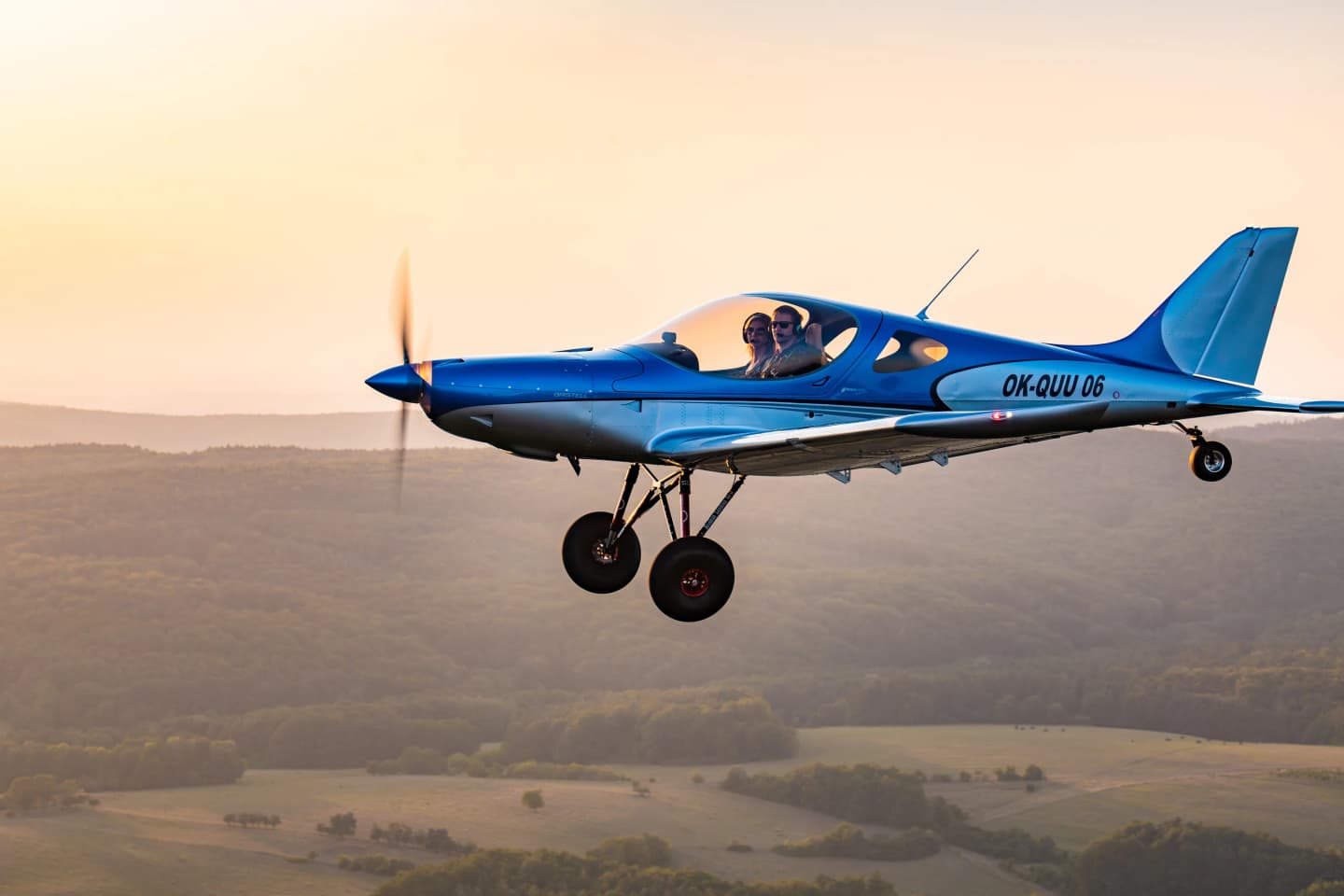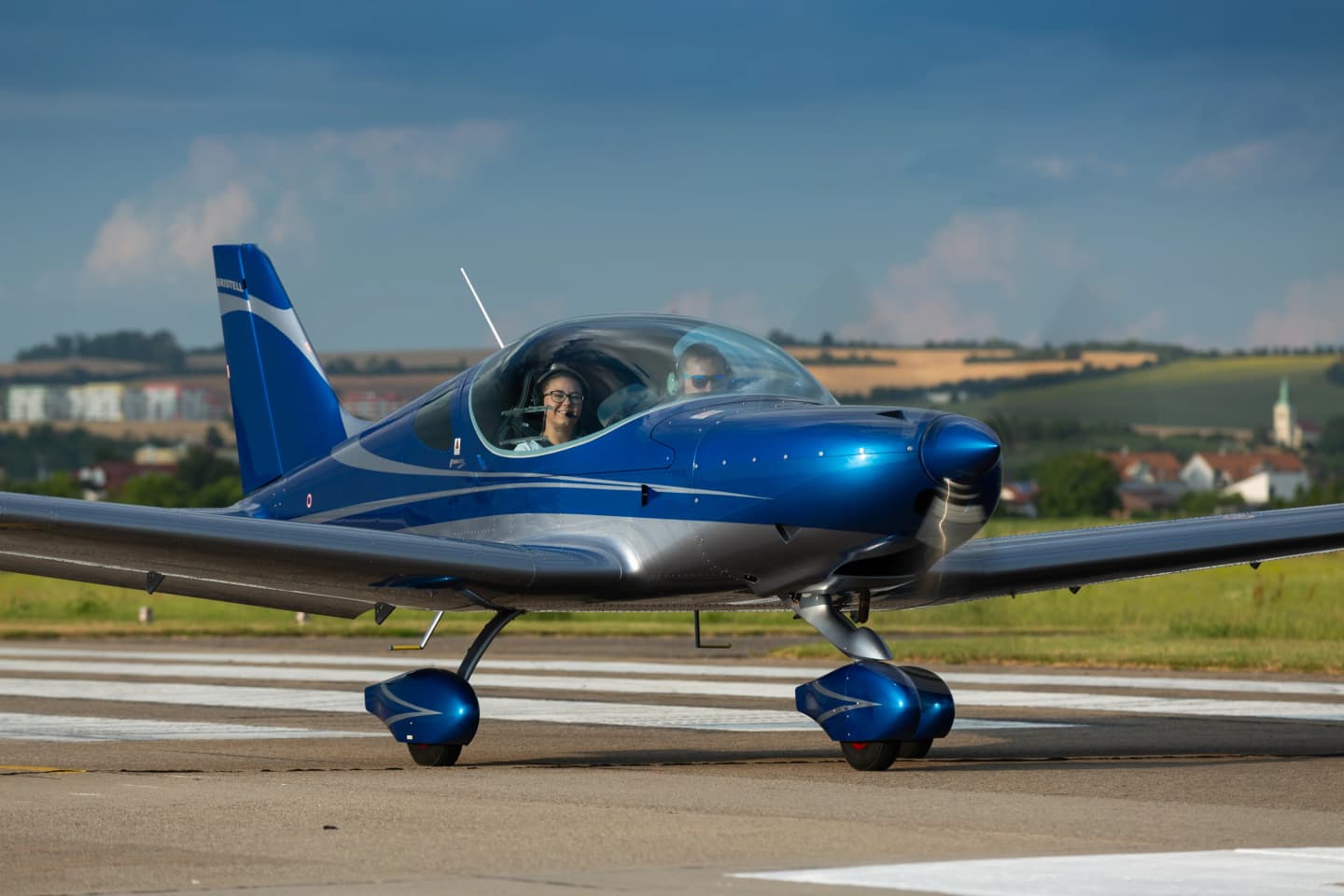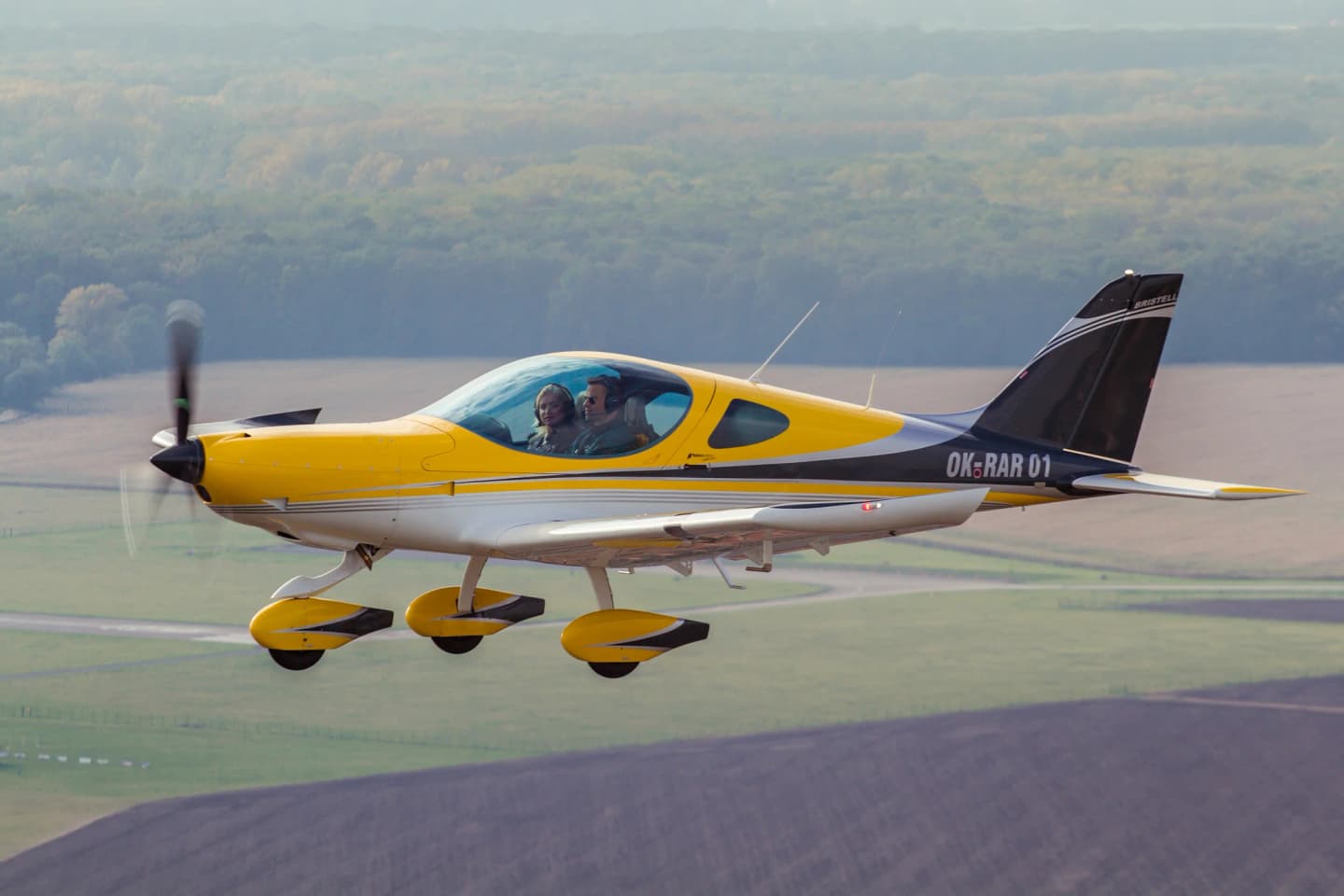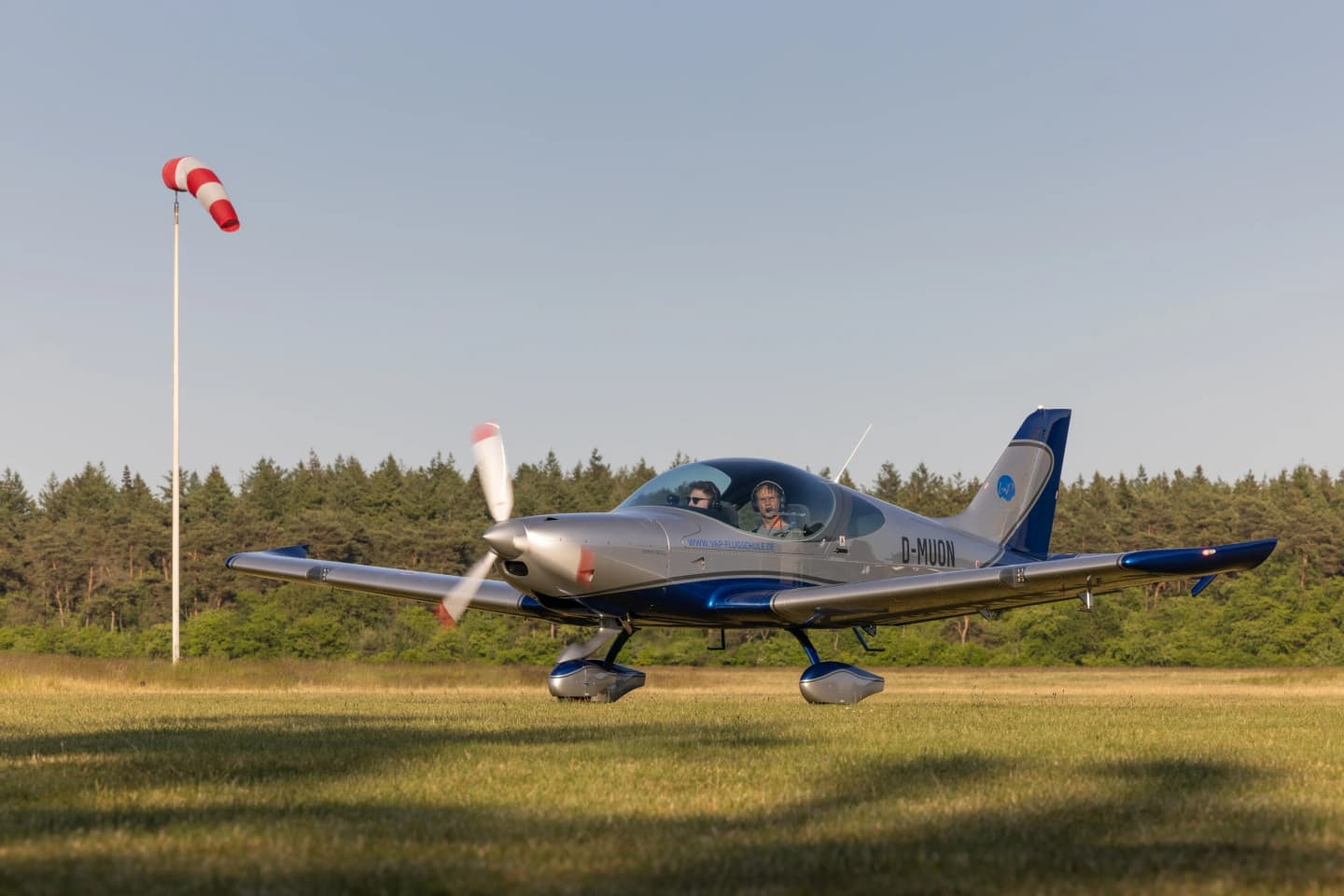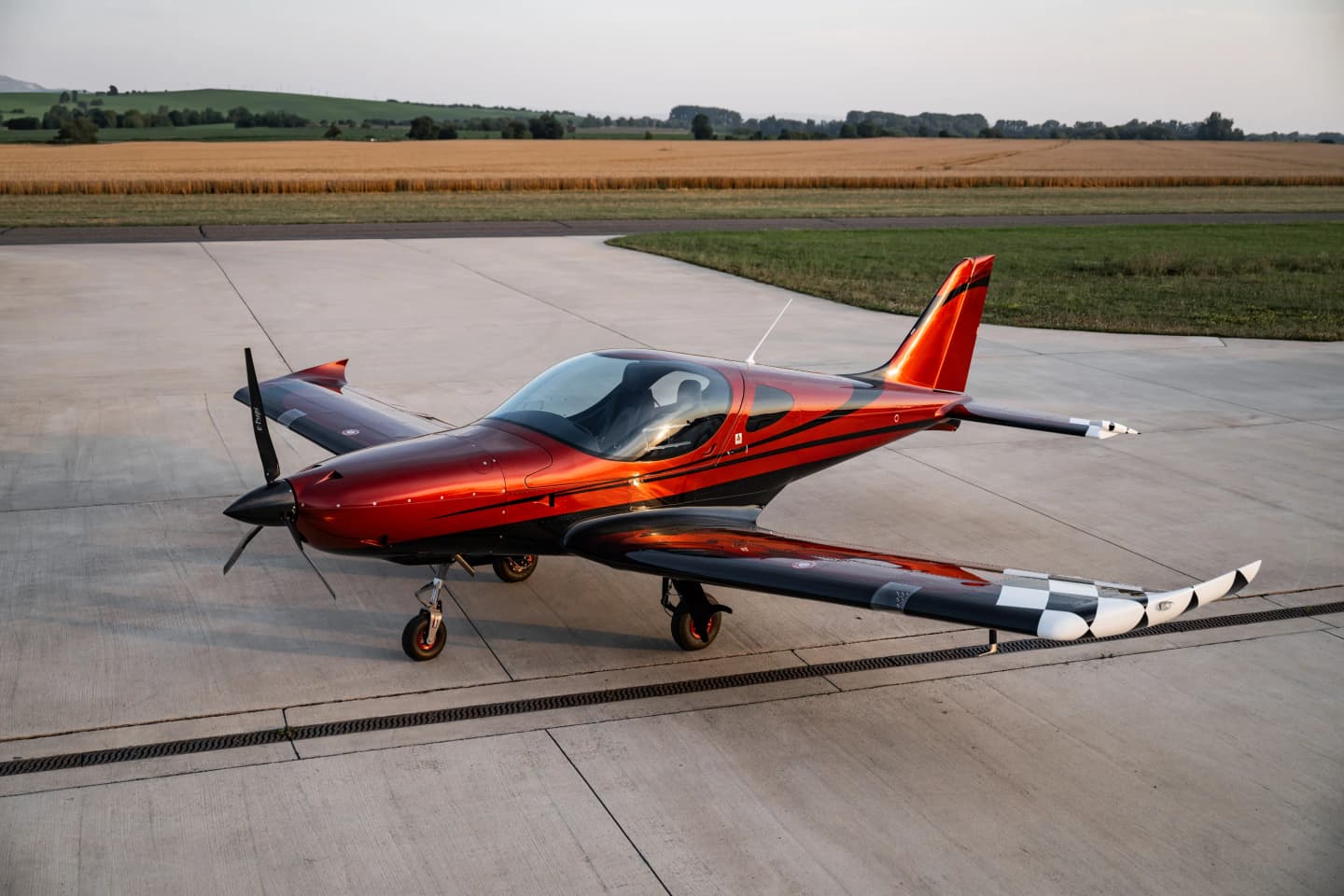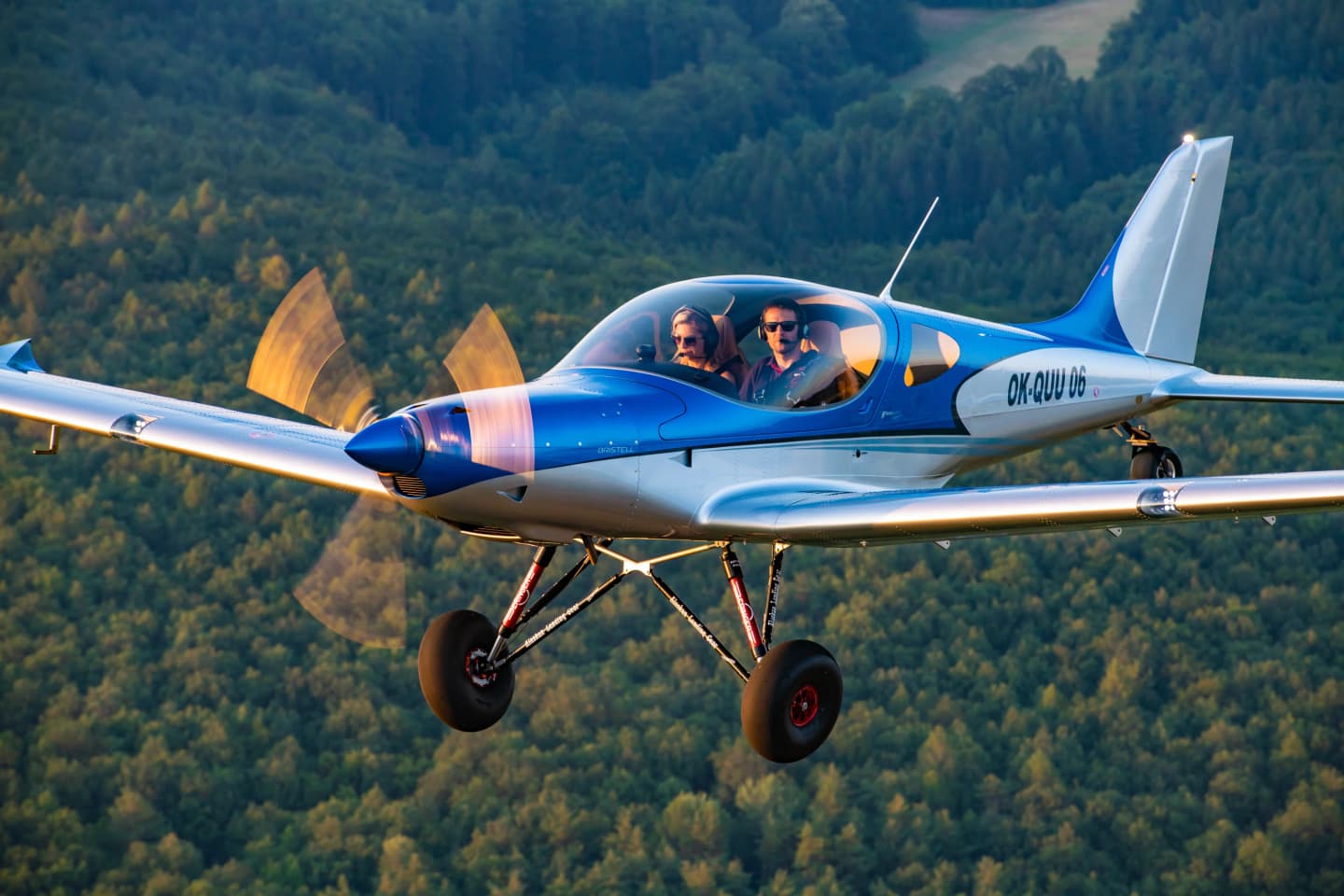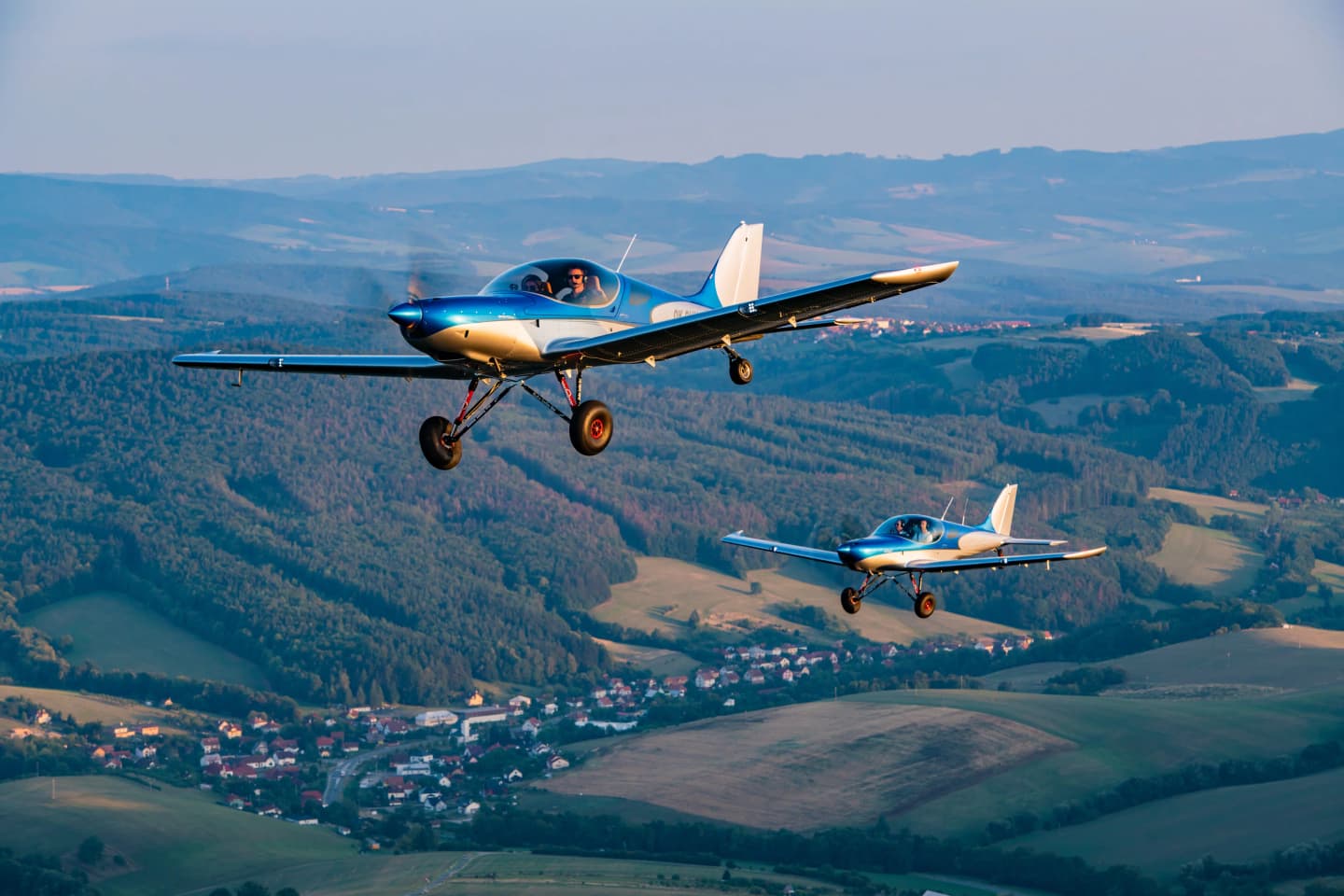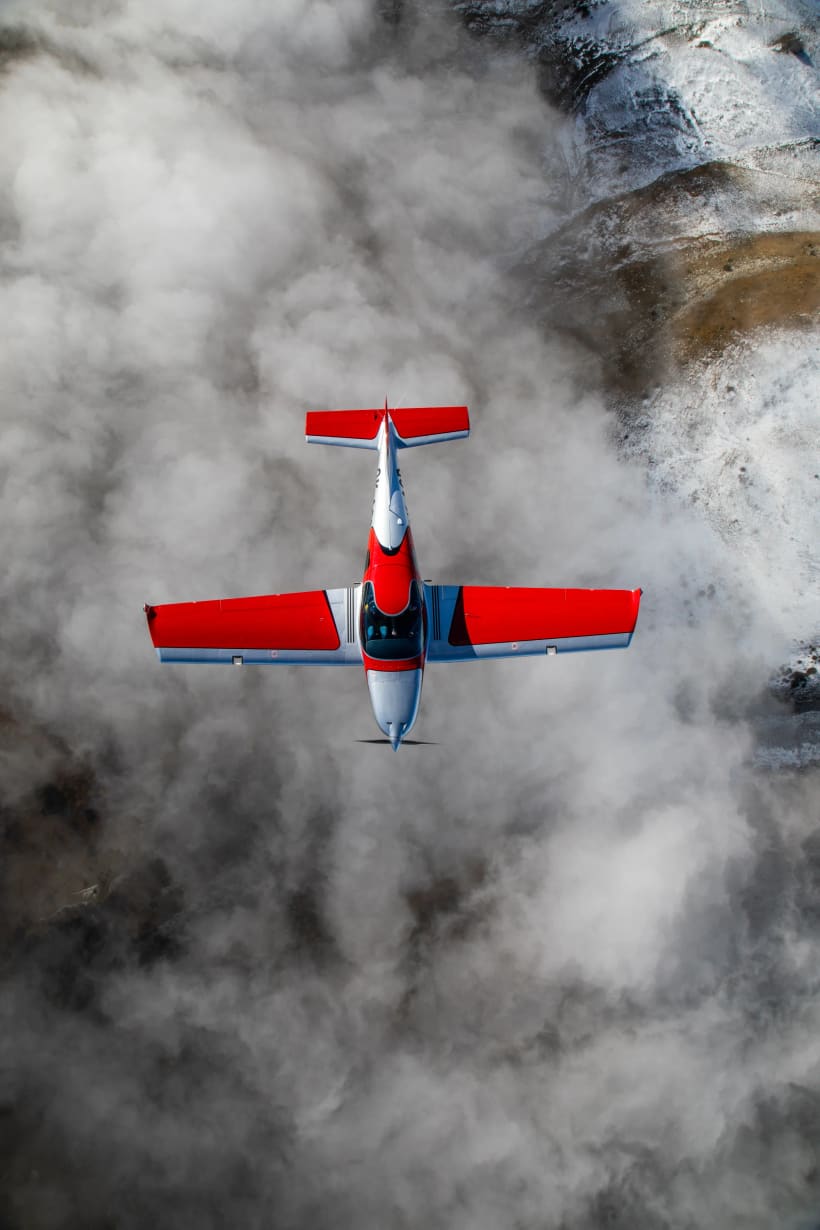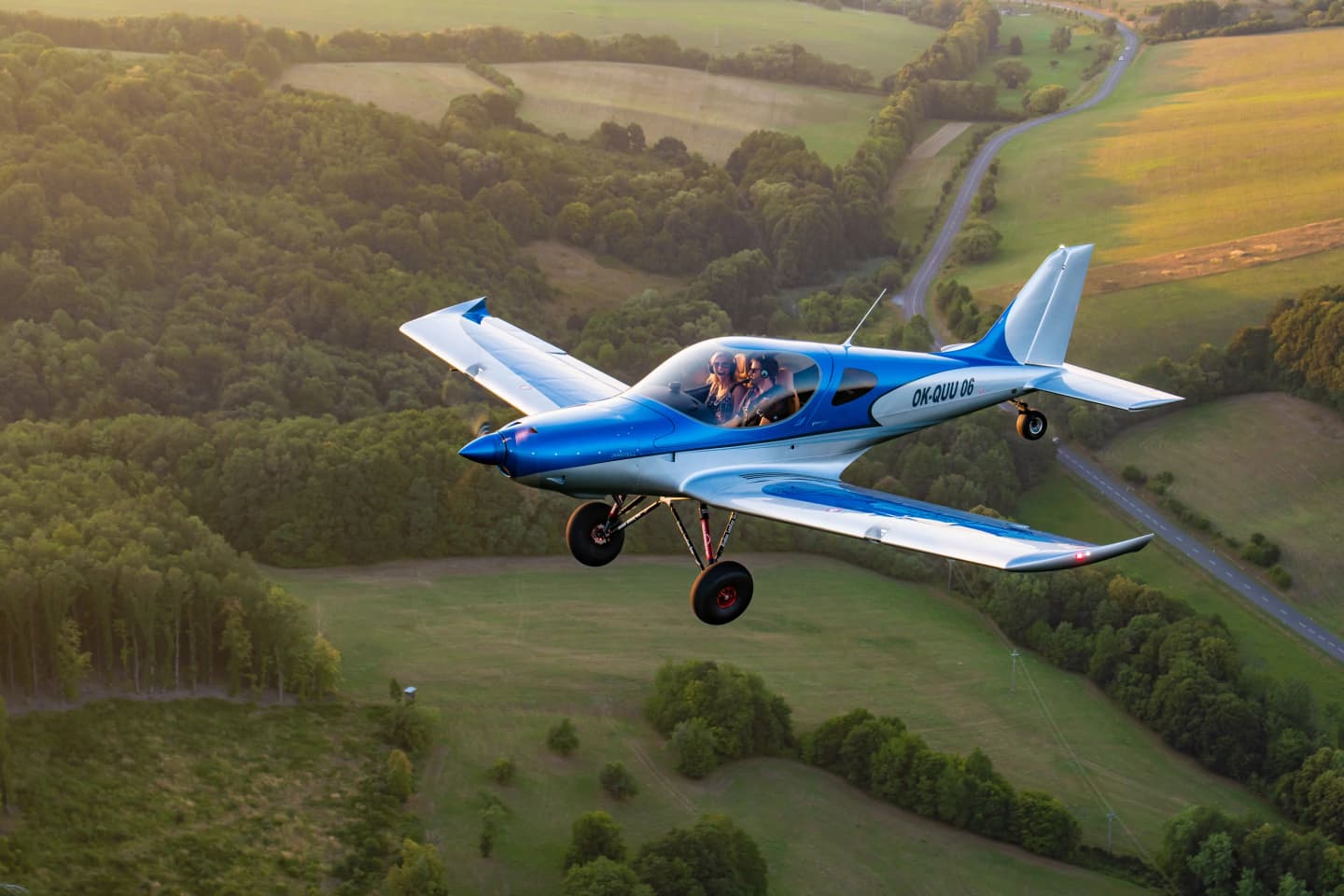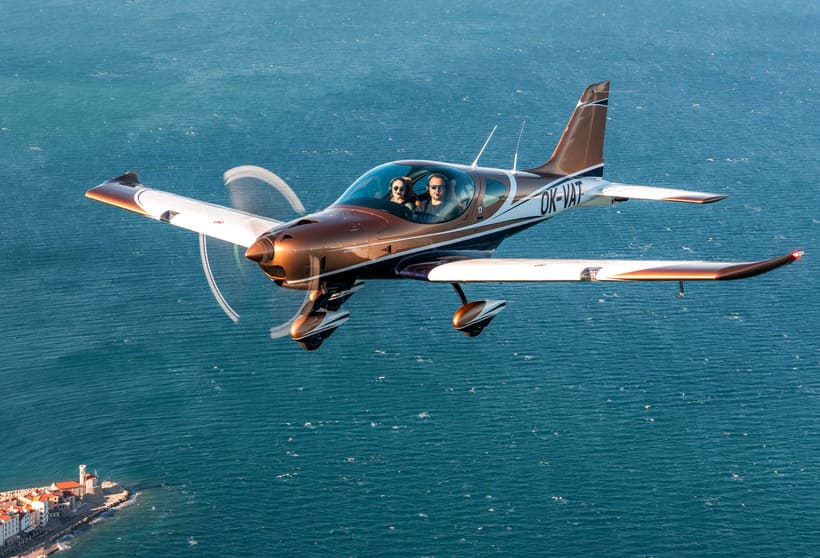
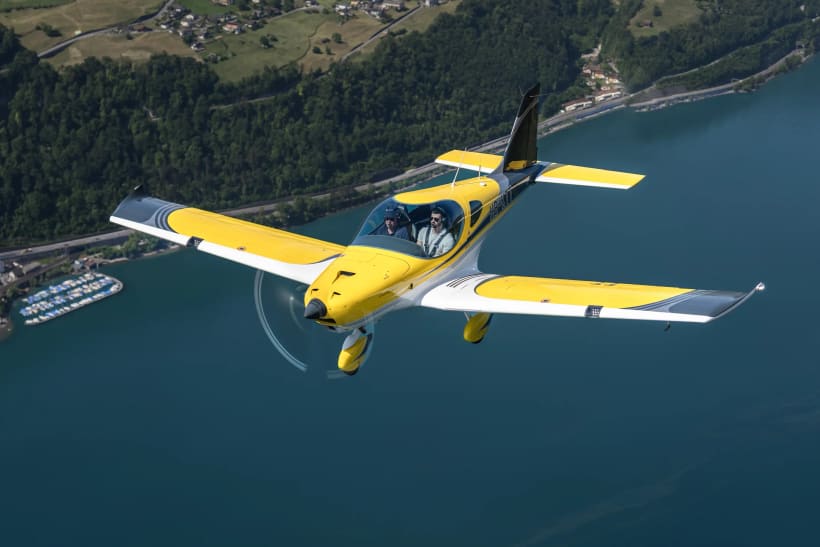
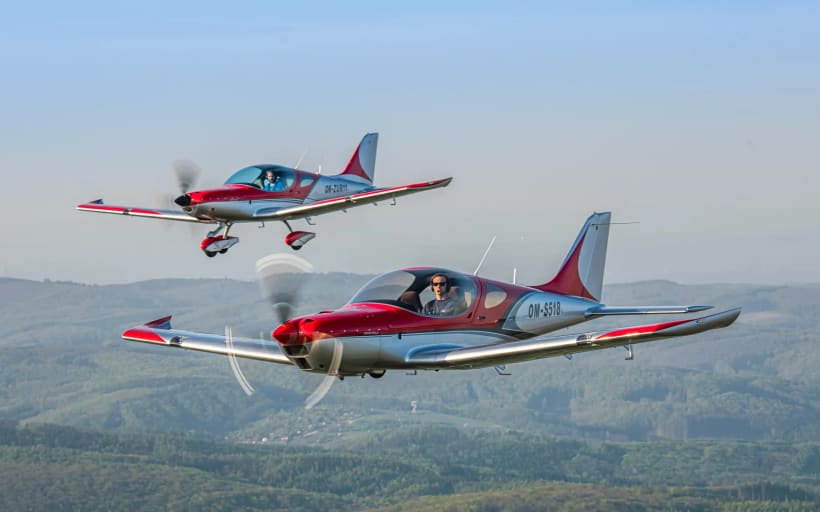
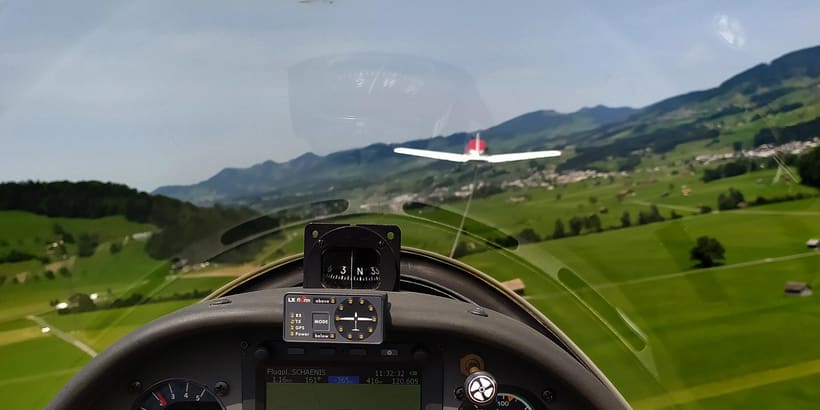

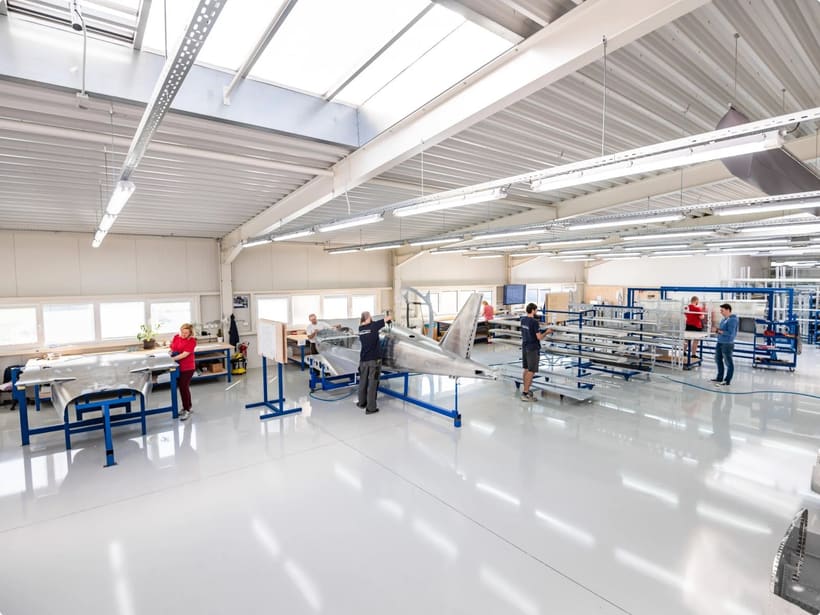
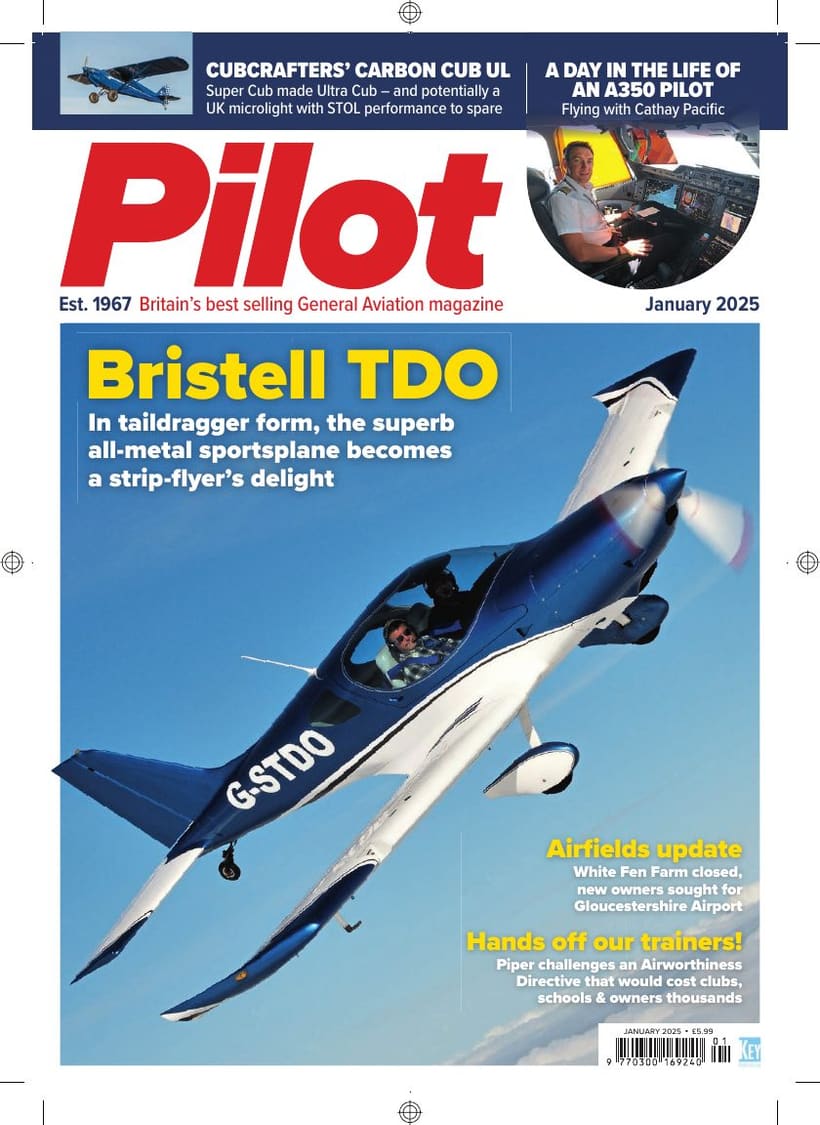
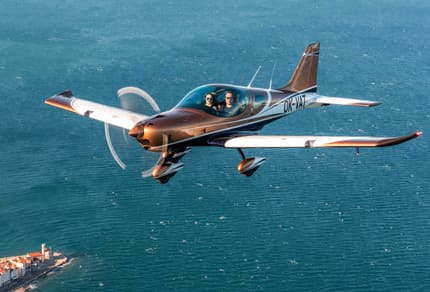
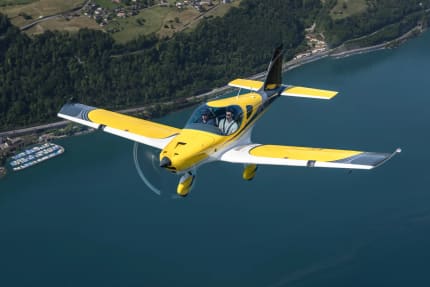
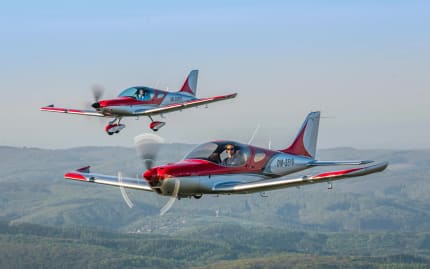
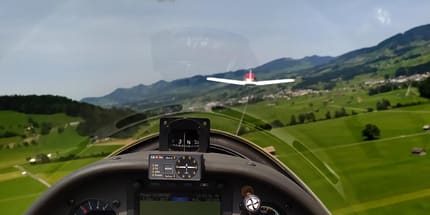

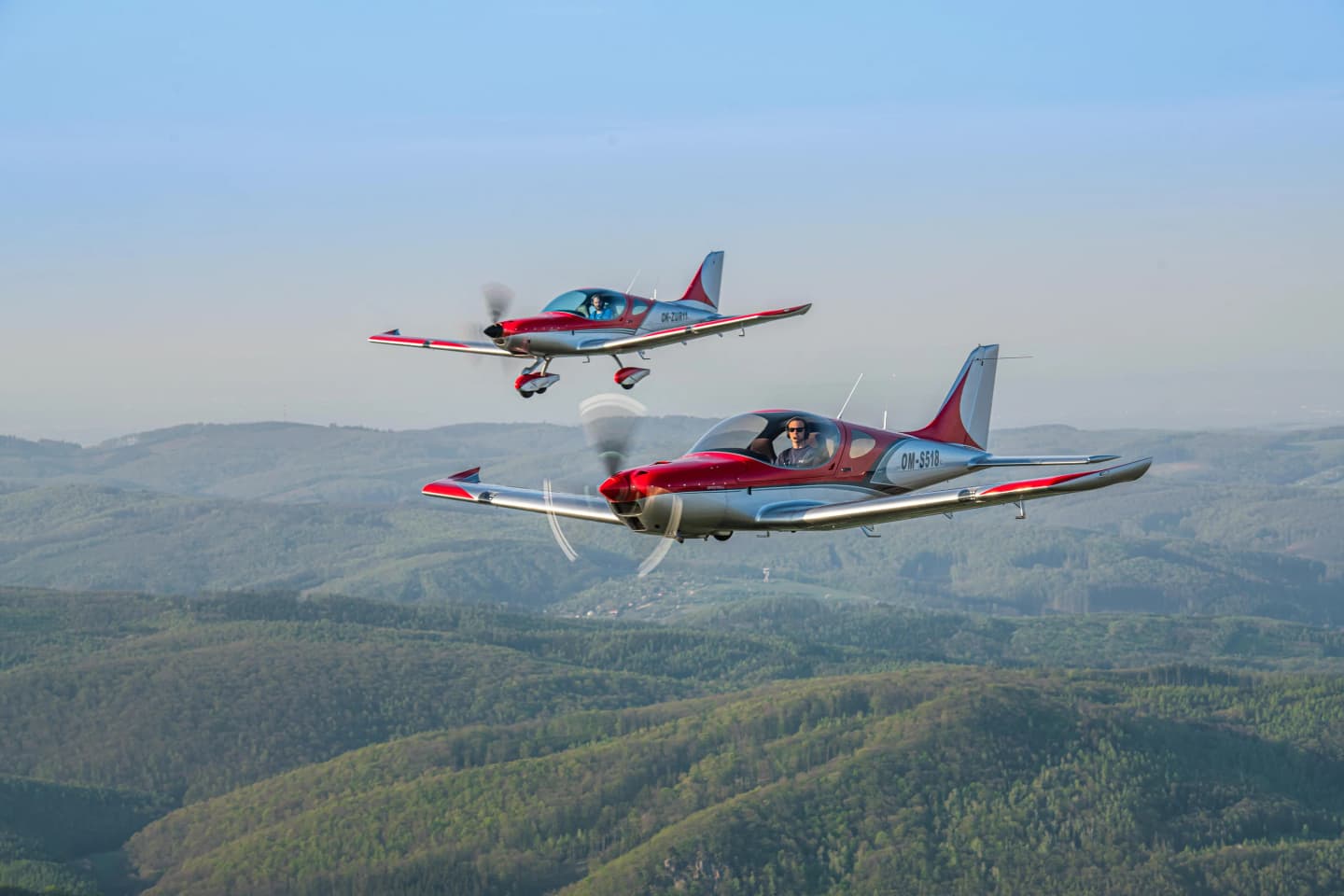
Two Bristell UL/LSA aircraft flying in formation over the countryside
UL · LSA

Bristell UL/LSA

One proven airframe. Three landing gears. Every engine from 100 to 160 HP (73.5–117.6 kW).

Overview

The bestseller from Kunovice.

The Bristell UL/LSA family is where most Bristell stories begin — our best-selling line, flown by flight schools and private owners around the world. The Classic, RG and TDO are the same proven all-metal aircraft with three different characters: fixed gear for simple, honest flying, retractable gear for speed, and a tailwheel for pilots who fly for the joy of it. Whichever you choose, you configure it your way — engine, propeller and panel. In Europe it flies under national ultralight rules; in the USA as a Light Sport Aircraft.

Watch the UL/LSA in action

Swipe to browse the videos.

Bristell RG 915 iS and Classic 912 ULS
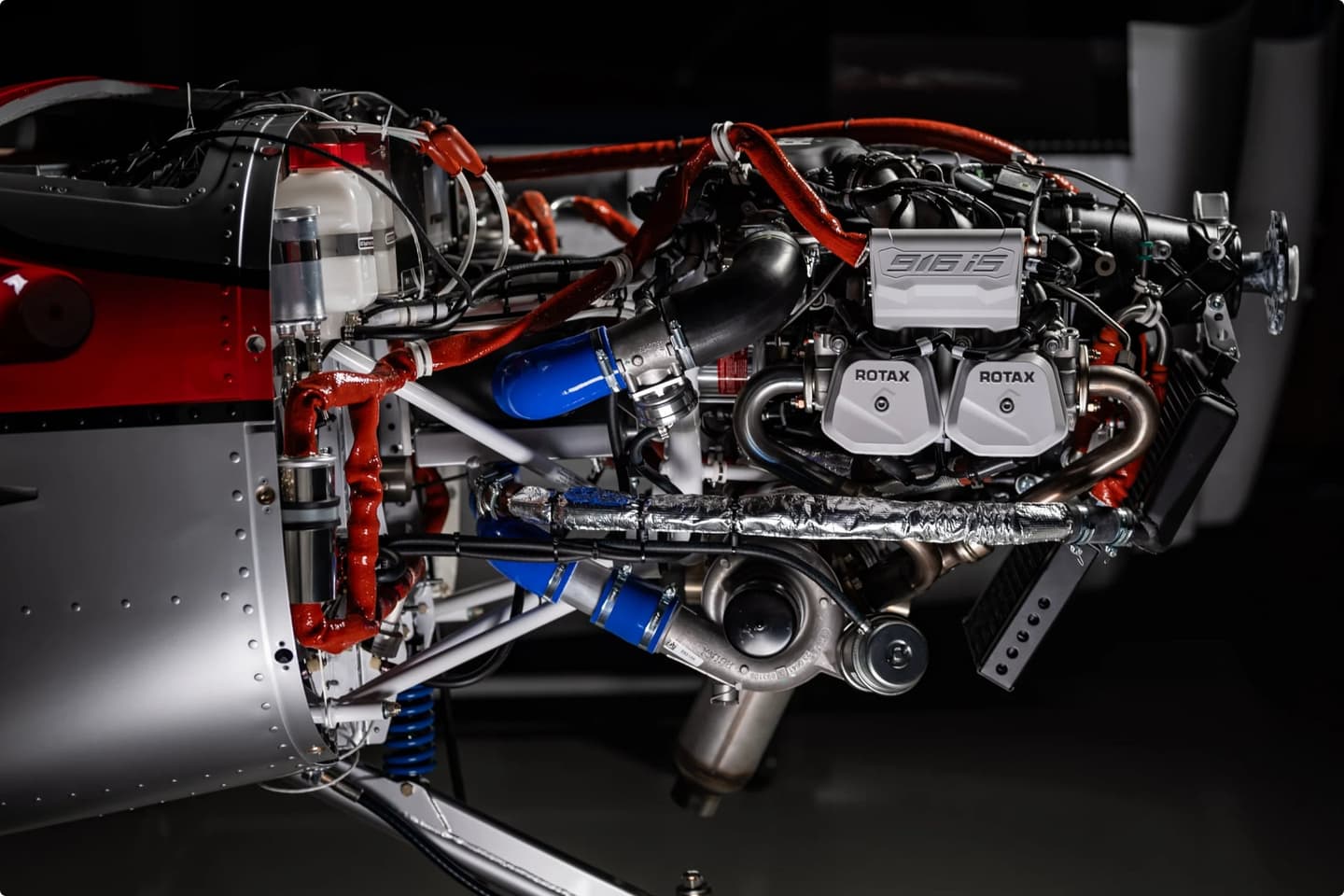
Bristell Classic with the Rotax 916 iS engine
Bristell TDO flying with Alaskan wheels

Built for the way you fly.

Starting out — at any age

There is no age limit on starting — ultralight and Light Sport licensing carries the lightest requirements in aviation, with lighter medical rules than certified aircraft. Forgiving handling, predictable stall behavior and dual sticks make the first lessons easy.
Flight schools

The operating economics a training fleet needs — engines that run on automotive MOGAS, TBO up to 2,000 hours and a forgiving airframe that instructors trust for first solos.

Cross-country touring

The retractable-gear RG reaches up to 155 KTAS (287 km/h) and a range beyond 755 NM (1,400 km) — serious touring performance in the UL/LSA category.

Landing gear

Choose your landing gear

One airframe, three characters — the landing gear decides how it flies.
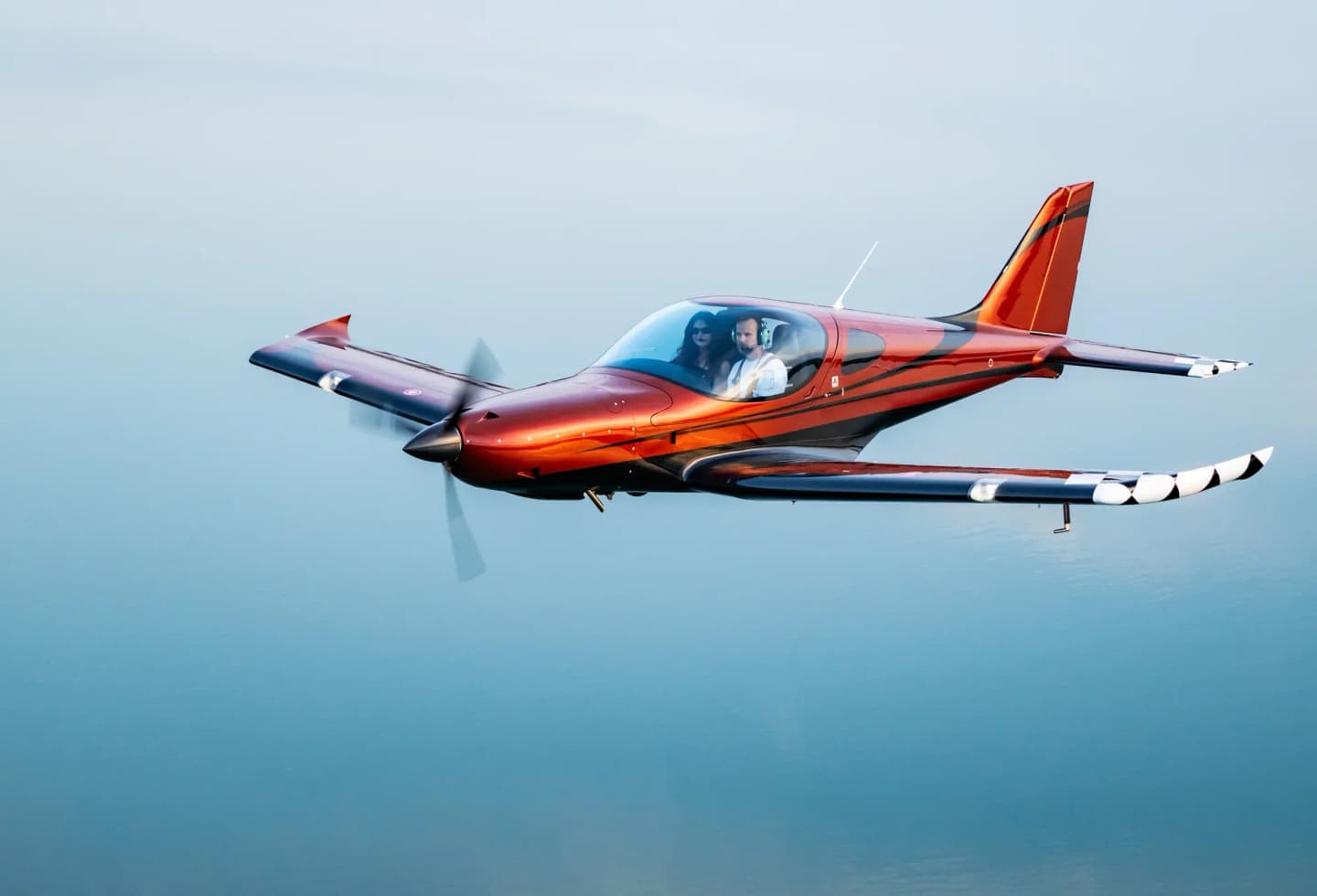
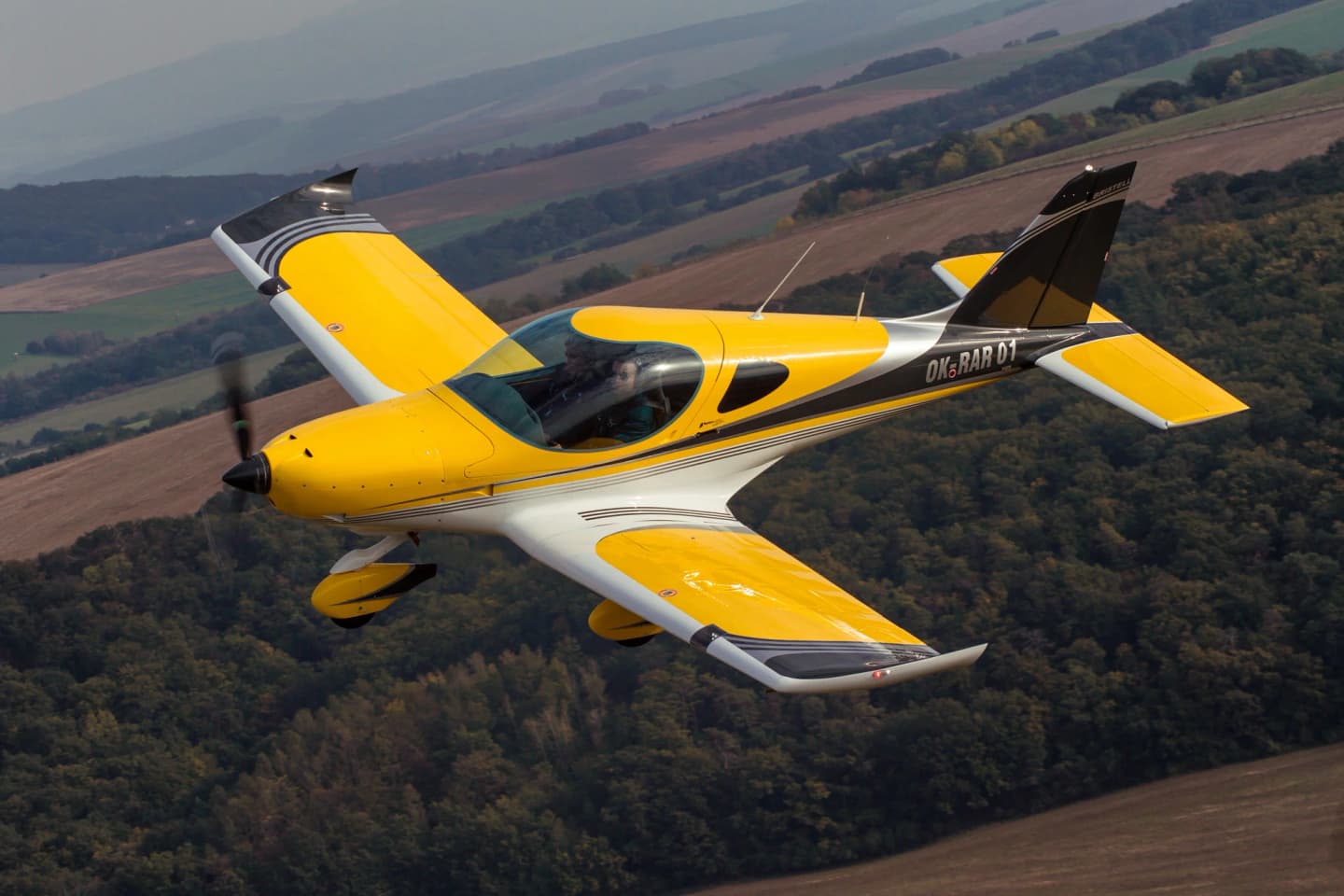
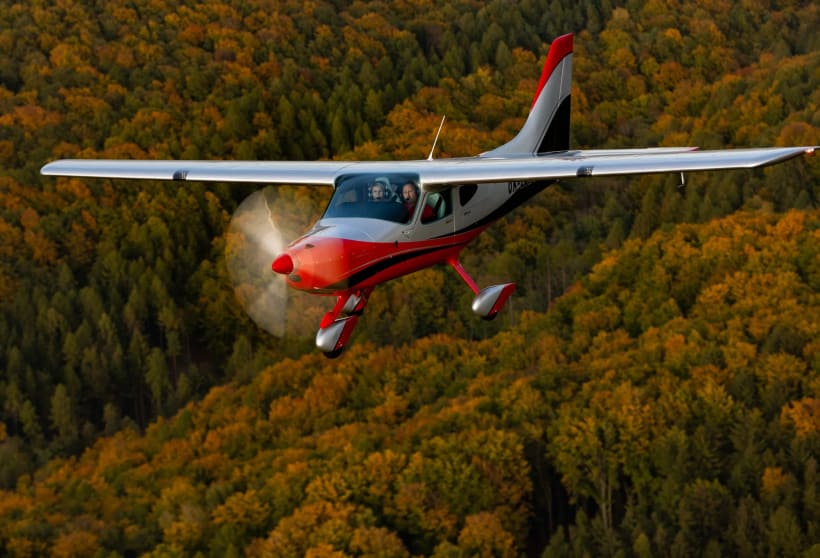
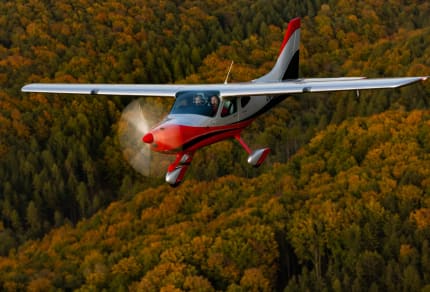
Bristell Classic 912iS in flight
Classic

Fixed gear. The proven bestseller.

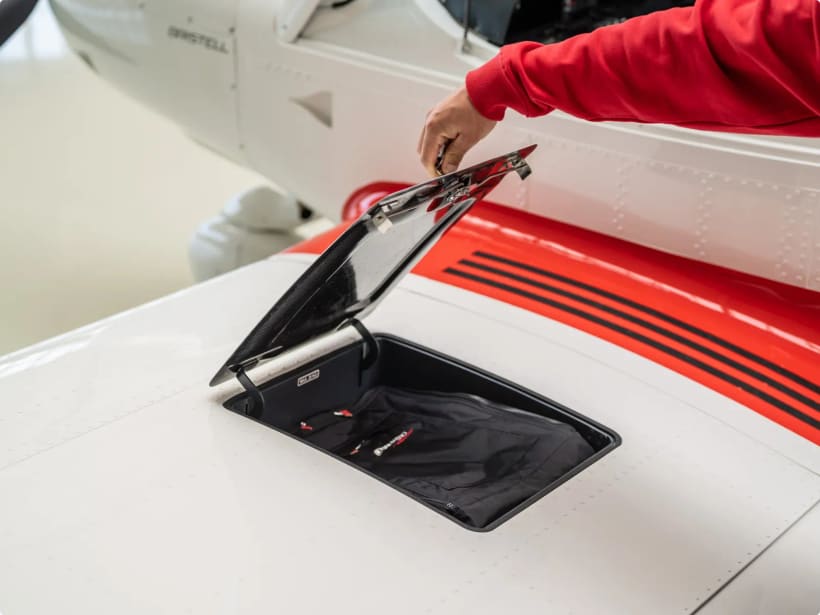
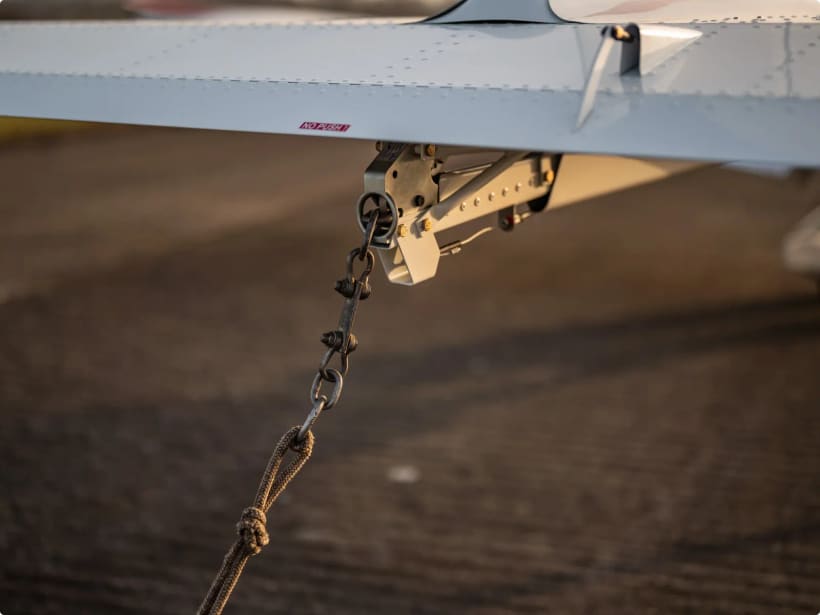
The Classic is where the family starts — a steerable nose wheel, simple and honest handling, and fixed gear with MOGAS operation that keeps running costs the lowest in the family. The workhorse of flight schools, and the lightest way into glider towing with an optional towing hook.

Bristell RG 916iS in flight
RG

Retractable gear. The fastest Bristell.

Hydraulically retractable landing gear cuts drag and turns the same airframe into a serious cross-country machine — up to 155 KTAS (287 km/h) with the 916 iS and a range beyond 755 NM (1,400 km).

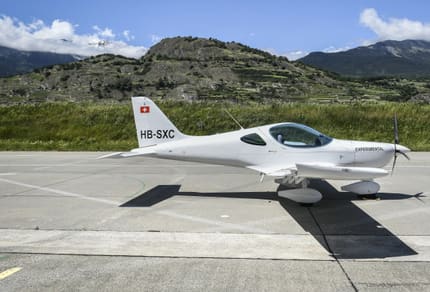
Bristell TDO 915iS in flight
TDO

Taildragger. Flying for the joy of it.

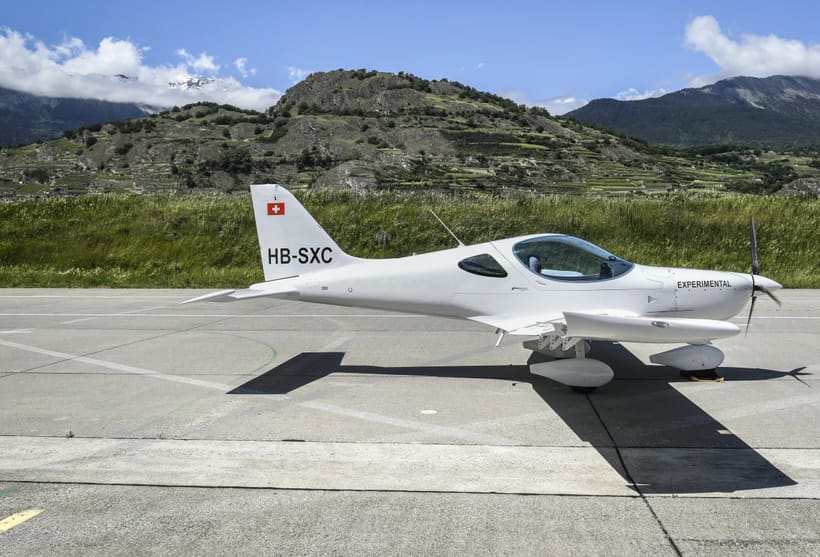
The tailwheel TDO is pure stick-and-rudder flying, with heavy-duty wing spars as standard and the same wide cockpit — at home on grass strips and backcountry fields.

Design · Exterior

Light. All-metal. Easy to own.

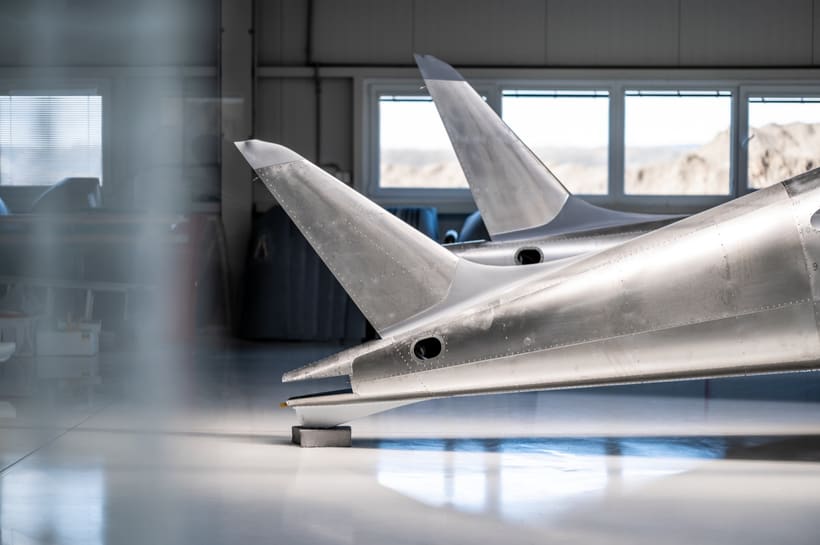
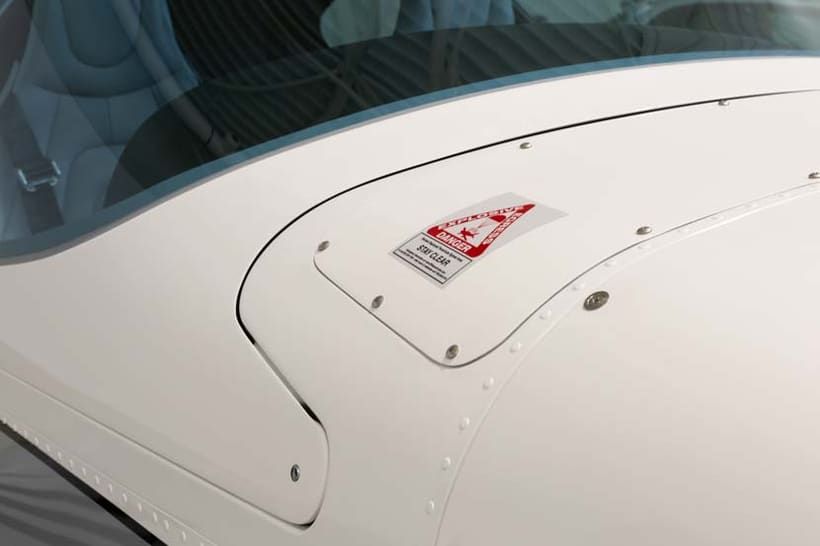
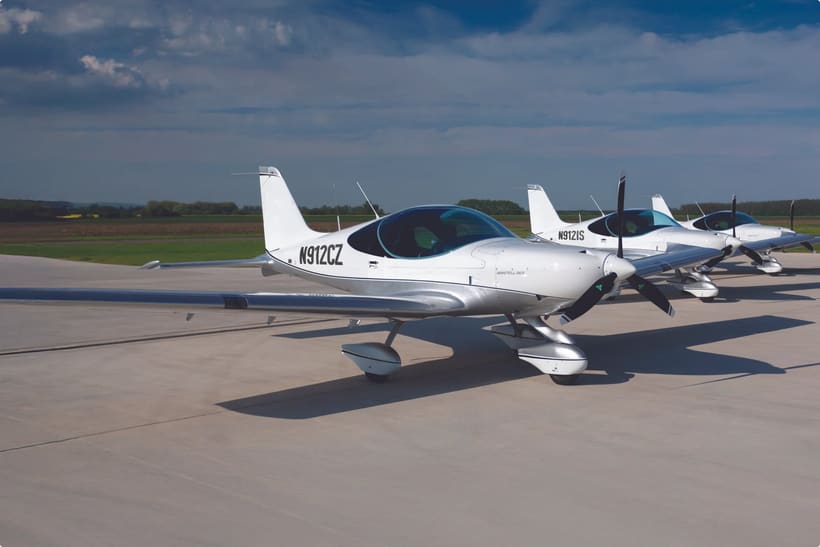
Every aircraft in the family shares the same all-metal, low-wing construction — simple to inspect, simple to maintain and proven across decades of school and private flying. The bubble canopy gives all-round visibility from both seats.

Bristell Classic 912iS — exterior detail
Bristell Classic 912 — exterior detail
Bristell Classic 915iS — exterior detail
Bristell RG 916iS — exterior detail
Bristell RG 912 — exterior detail
Bristell TDO 915iS — exterior detail
Design · Cockpit

One cabin. Your panel.

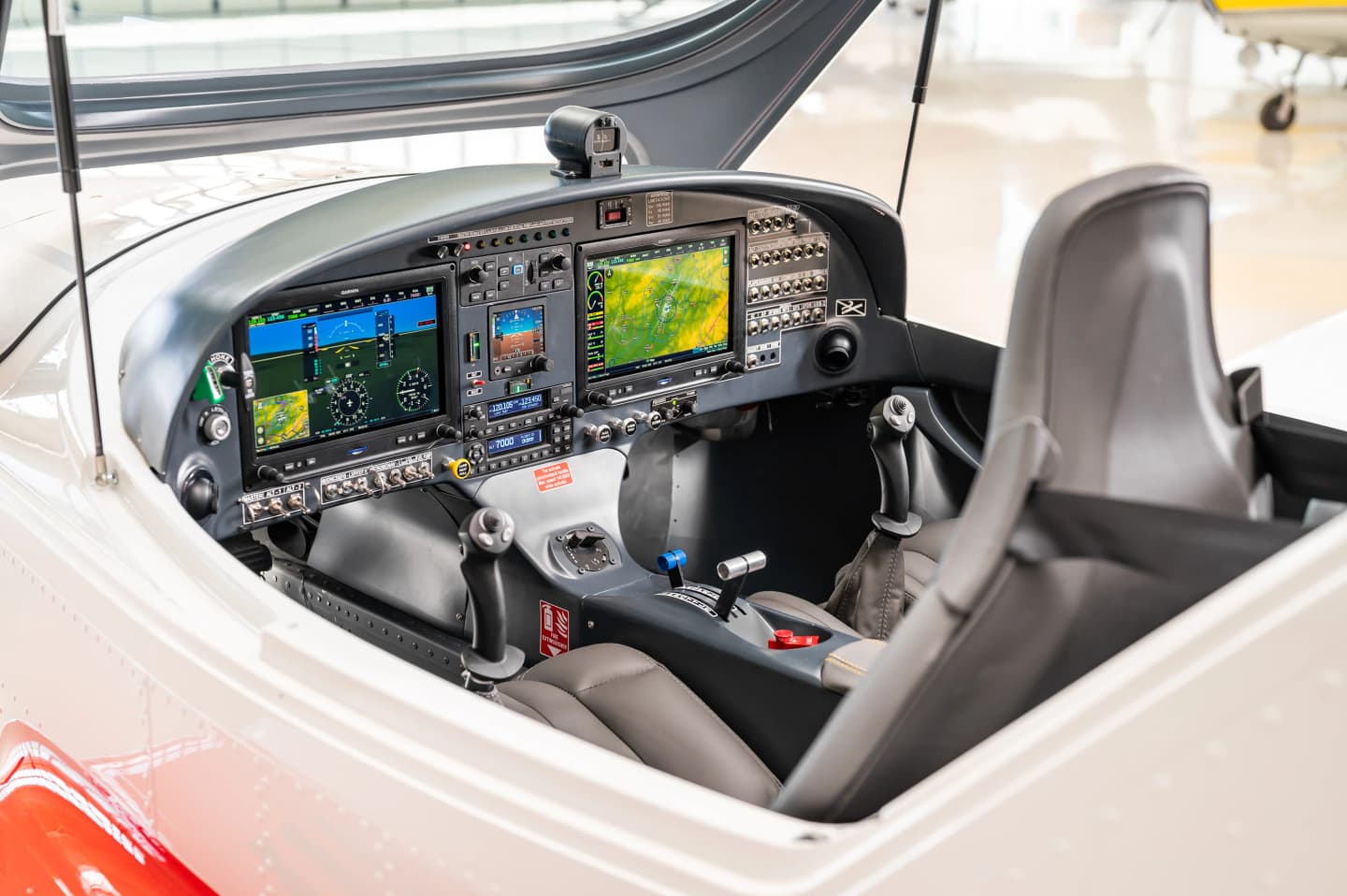
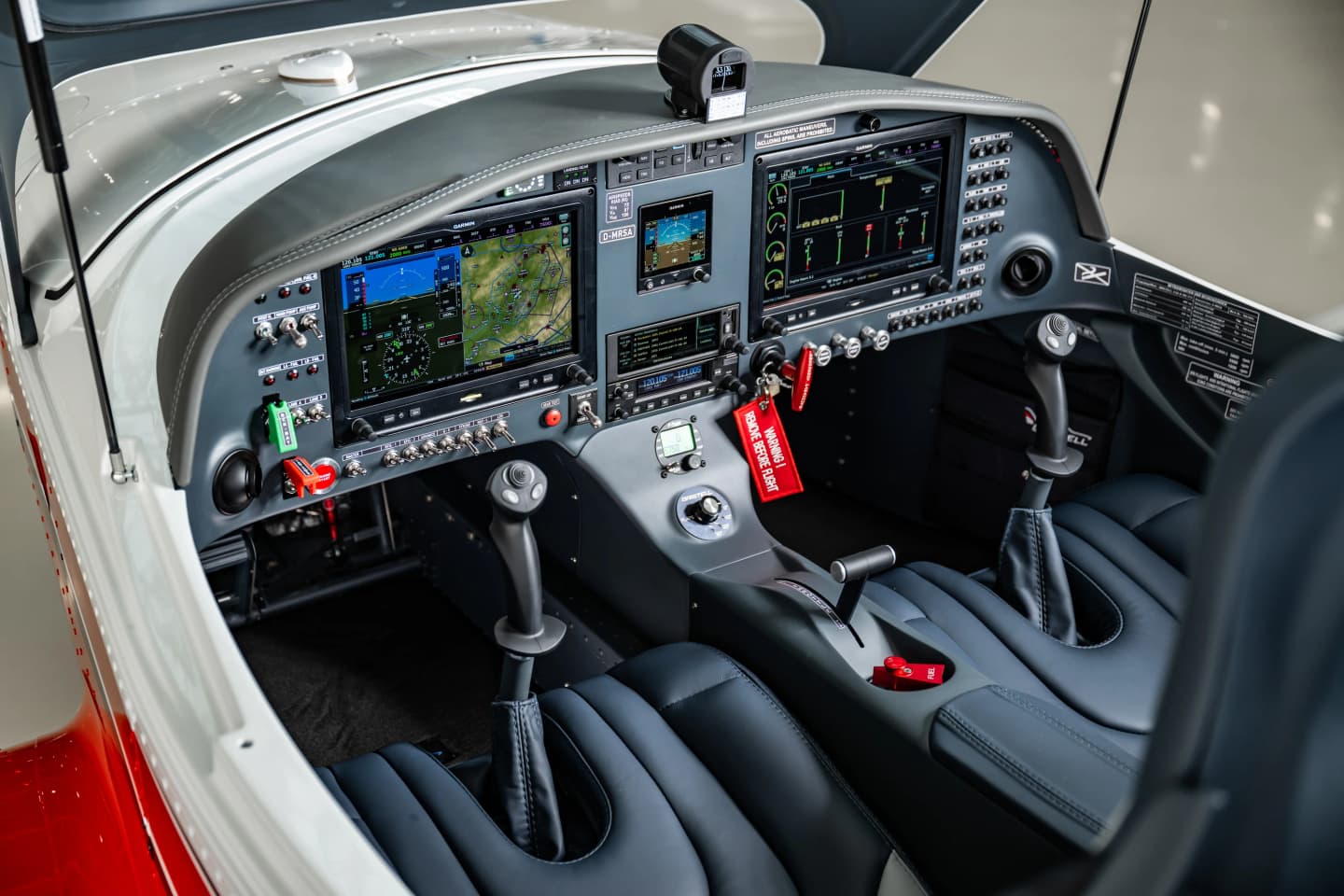
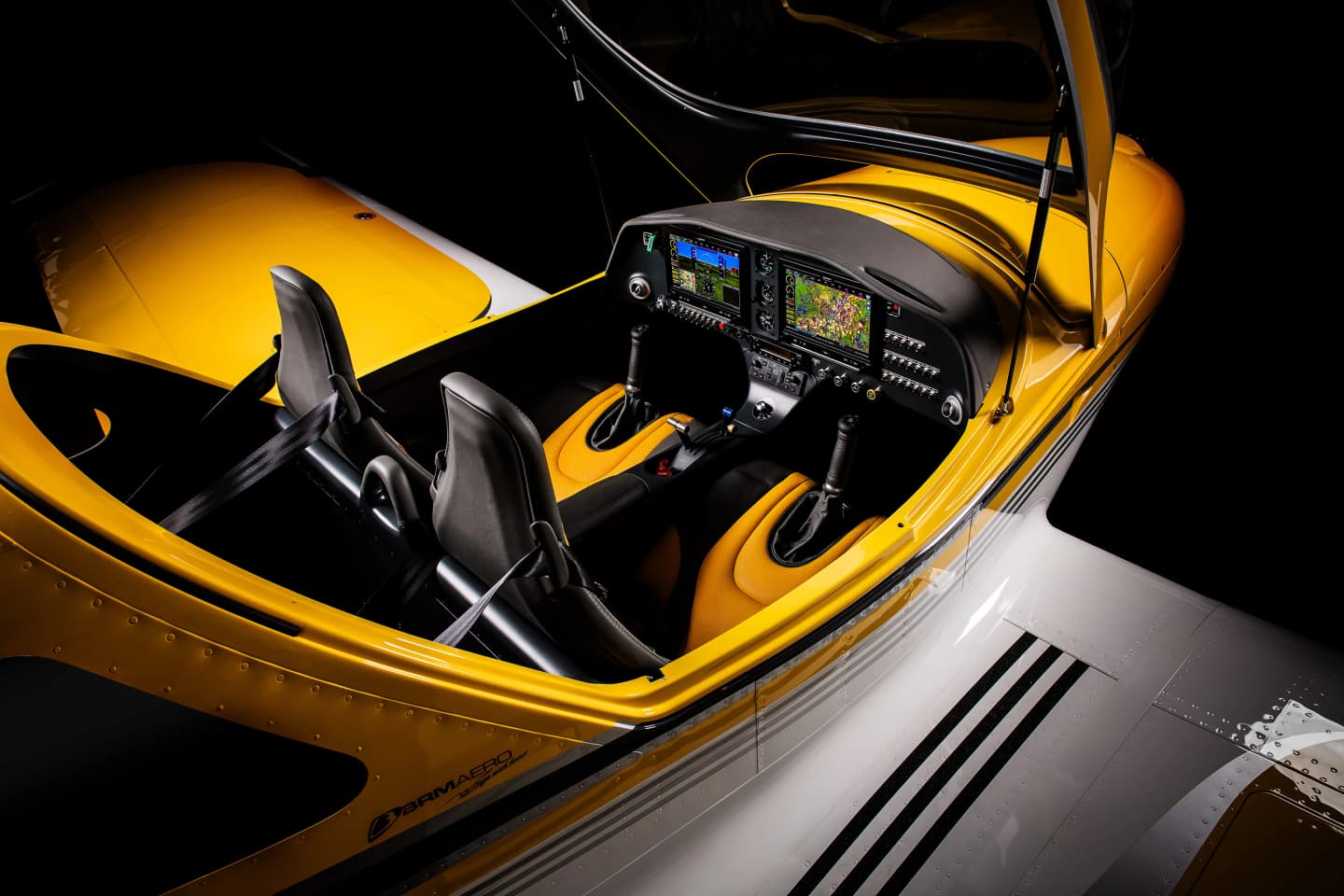
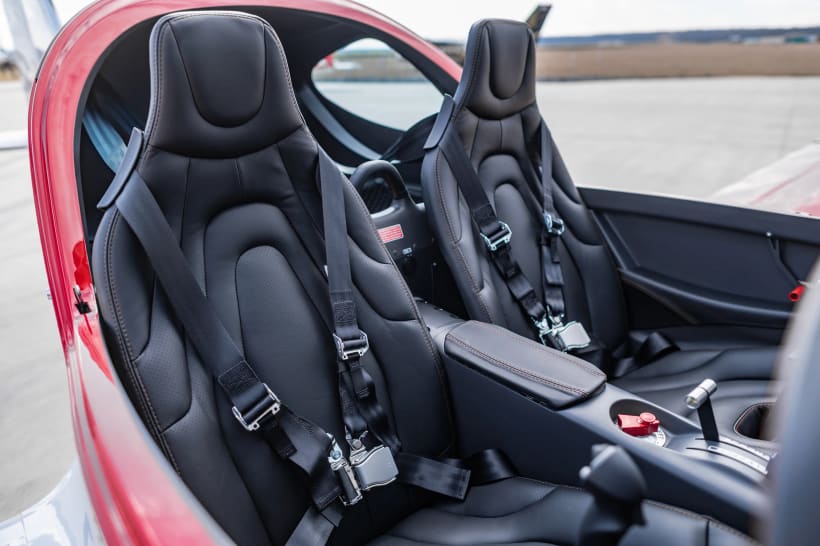
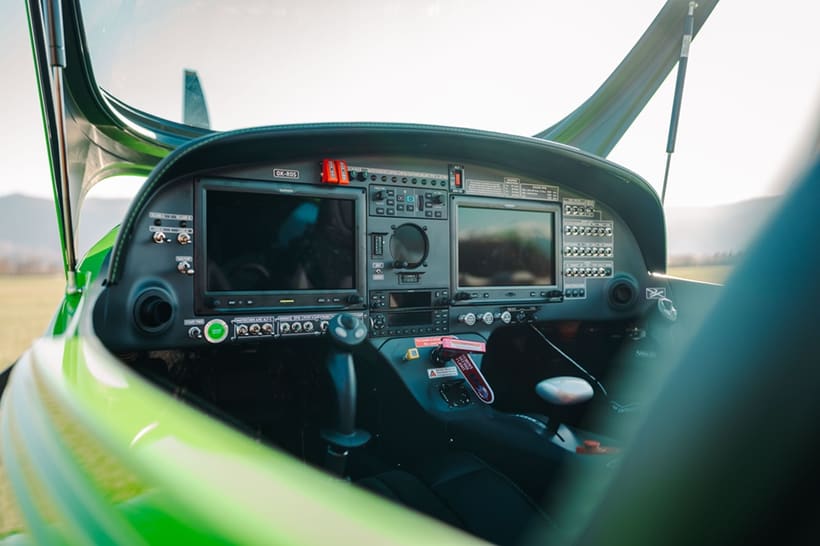
The Classic, RG and TDO share the same 130 cm (51.2 in) cabin — the widest in the UL/LSA category — with dual sticks and a panel you specify yourself, from analog gauges to full Garmin glass.

Bristell Classic 916iS — cockpit interior
Bristell Classic 912iS — cockpit interior
Bristell RG 916iS — cockpit interior
Bristell TDO 915iS — cockpit interior
Avionics & Technology

Design your own panel.

In this family, the panel is entirely yours — a fully analog panel on the carbureted 912 ULS, or Garmin glass up to a full cockpit with autopilot, ADS-B and an IFR-capable navigator. Every item is optional and configured to your mission; fuel-injected iS engines are always delivered with a digital engine-monitoring display.

Garmin
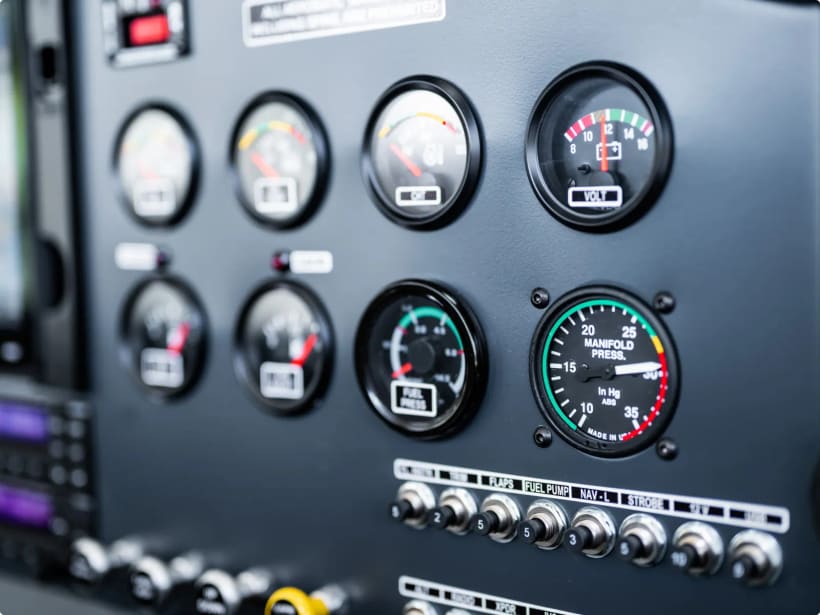
Cluster of round analog flight and engine gauges in a Bristell instrument panel.

Analog flight and engine instruments

Optional

Analog flight instruments (airspeed, altitude, vertical speed, compass) plus analog engine gauges, the standard panel on the UL/LSA base aircraft. A simple, familiar layout popular for ab-initio training and pilots who prefer a serviceable panel. Glass can replace or supplement it.

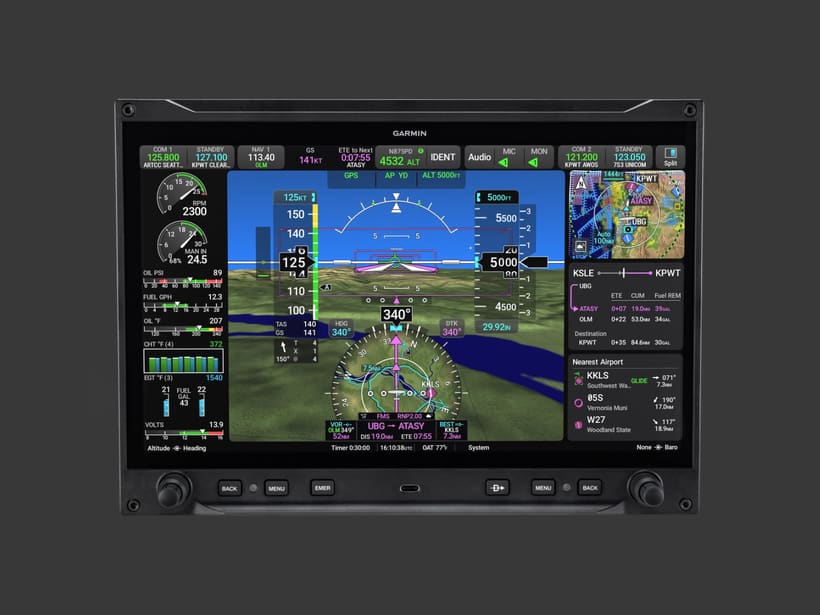
Garmin AXIS integrated flight display

Garmin AXIS glass cockpit

Optional

Garmin's integrated flight display — NAV/COMM radio and audio panel built into the screen, so one display replaces the whole radio stack, with SafeTaxi, a dedicated emergency button and synthetic vision.

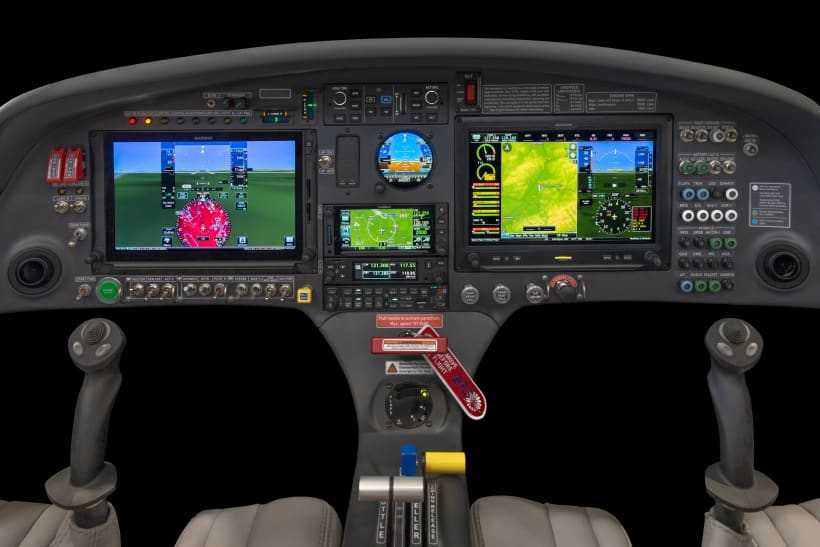
Bristell B23 panel

Dual glass cockpit (Garmin G3X Touch)

Optional

Two Garmin G3X Touch glass displays showing flight instruments, moving map and full engine monitoring. Touch control with physical knobs as backup, so the pilot is not fighting a touchscreen in turbulence.

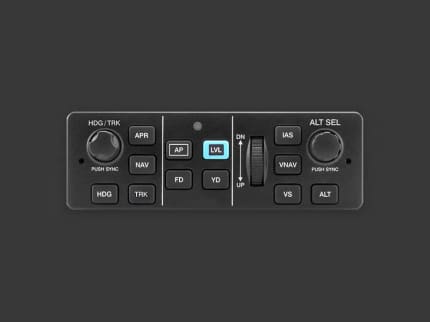
Garmin GMC 507

Autopilot with LEVEL button (Garmin GMC 507)

Optional

Garmin GMC 507 autopilot with a dedicated Blue LEVEL button that returns the aircraft to wings-level flight at a single push. It handles the routine legs to cut pilot workload, and the pilot stays in command for the parts that matter.

Garmin GTN 650Xi

IFR GPS navigator (Garmin GTN 650Xi)

Optional

Touchscreen GPS, NAV and COM navigator with LPV approach capability for instrument approaches down to near-precision minimums.

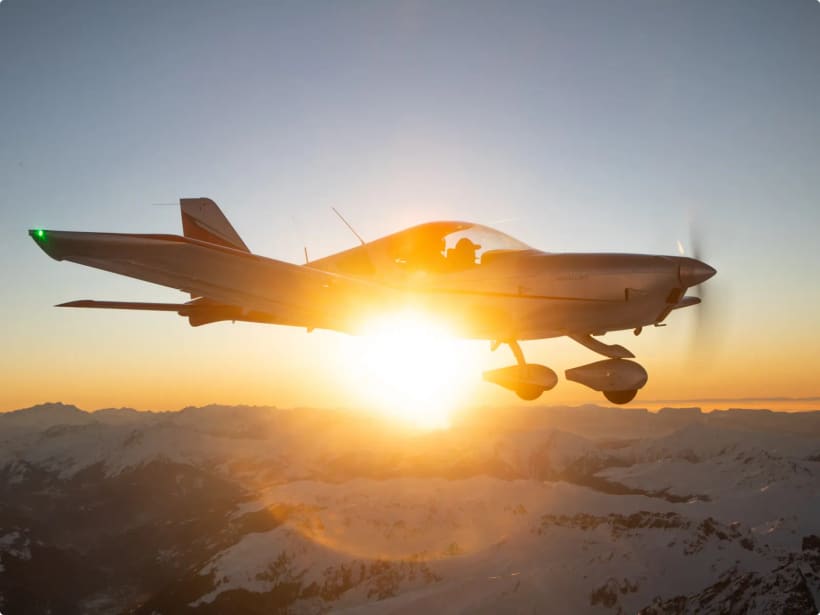
A Bristell silhouetted against a low sun over mountains, representing night-VFR flying.

Night flying capability (Night VFR)

Optional

B23 is certified for Night VFR with the glass cockpit, autopilot and lighting to support it. On UL/LSA models night flying is a build-up option, not a certification.

Engines

Choose your power

One airframe carries four Rotax engine options — the carbureted 912 ULS (100 HP / 73.5 kW), the fuel-injected 912 iS (100 HP / 73.5 kW) and the turbocharged 915 iS (141 HP / 103.7 kW) and 916 iS (160 HP / 117.6 kW). Every fuel-injected iS engine has FADEC electronic engine management, all run on automotive MOGAS or AVGAS — and the turbocharged engines hold their performance at altitude.

Rotax
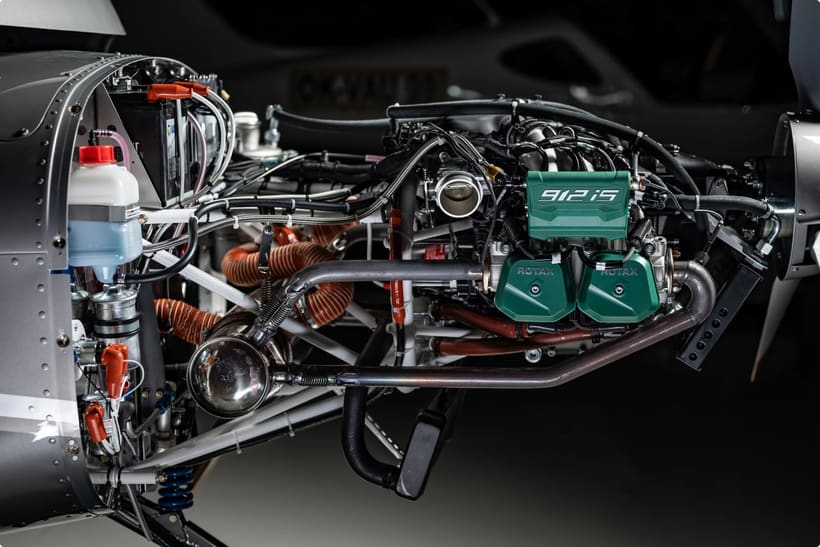
Rotax 912 ULS carbureted aircraft engine

Rotax 912 ULS

100 HP / 73.5 kW

Rotax 912 iS Sport fuel-injected engine installed in a Bristell aircraft, close-up of the powerplant

Rotax 912 iS Sport

100 HP / 73.5 kW

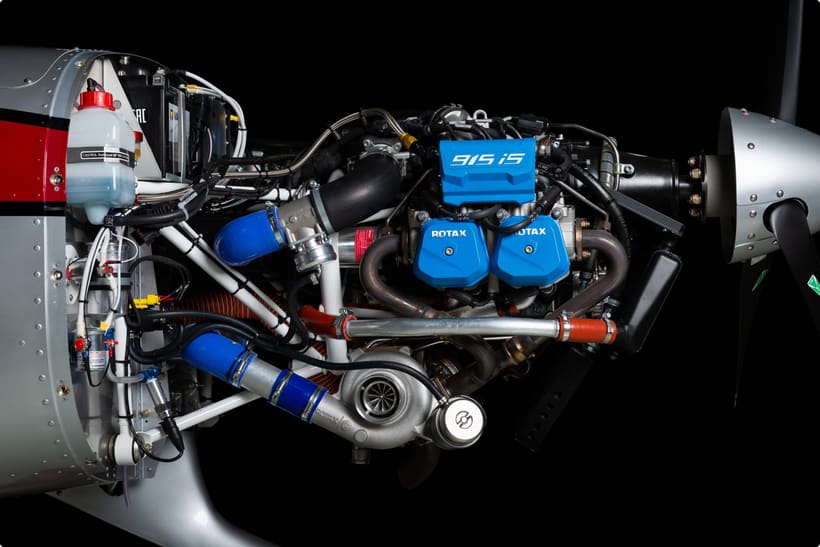
Rotax 915 iS turbocharged aircraft engine, close-up of the powerplant

Rotax 915 iS

141 HP / 103.7 kW

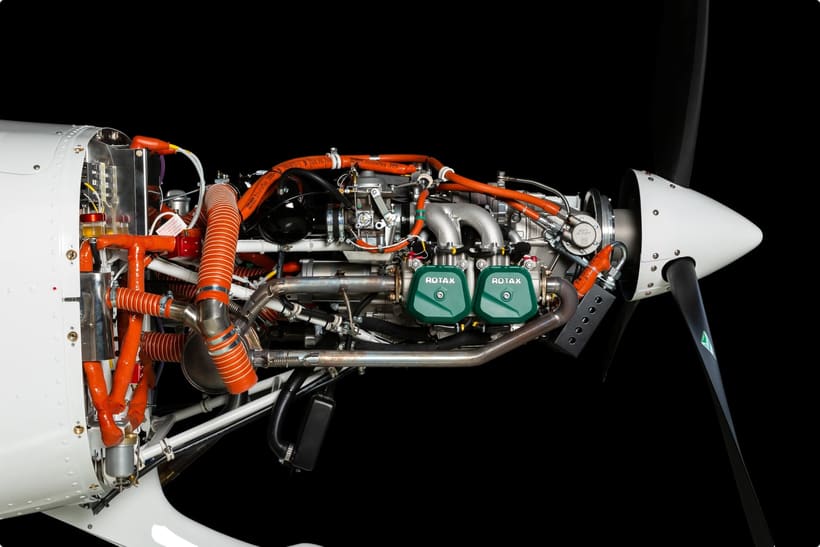
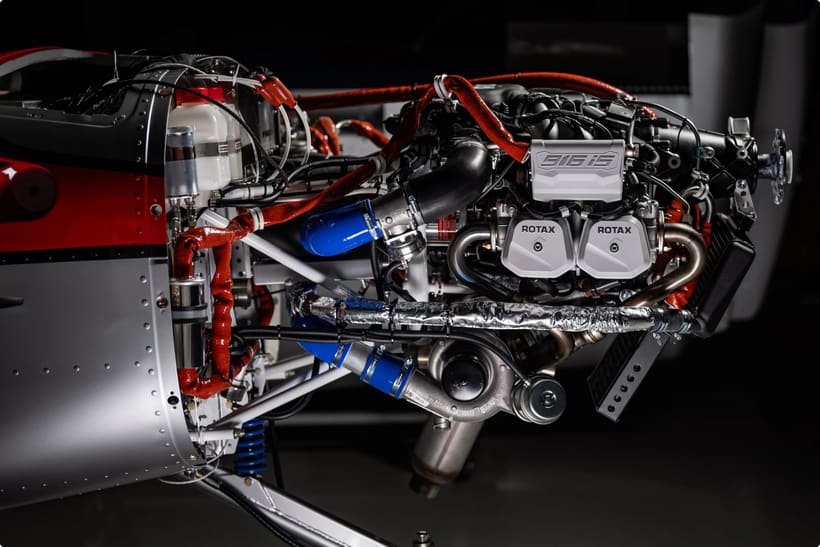
Engine Rotax 916iS in Bristell Aircraft

Rotax 916 iS

160 HP / 117.6 kW

Rotax 912 ULS

Power
100 HP / 73.5 kW
Injection / FADEC
Carbureted
Fuel
MOGAS / AVGAS
TBO
2,000 hours

Rotax 912 iS Sport

Power
100 HP / 73.5 kW
Injection / FADEC
Fuel injection · FADEC
Fuel
MOGAS / AVGAS
TBO
2,000 hours

Rotax 915 iS

Power
141 HP / 103.7 kW
Injection / FADEC
Fuel injection · FADEC
Fuel
MOGAS / AVGAS
TBO
1,200 hours

Rotax 916 iS

Power
160 HP / 117.6 kW
Injection / FADEC
Fuel injection · FADEC
Fuel
MOGAS / AVGAS
TBO
2,000 hours
Propeller

Your propeller, your choice.

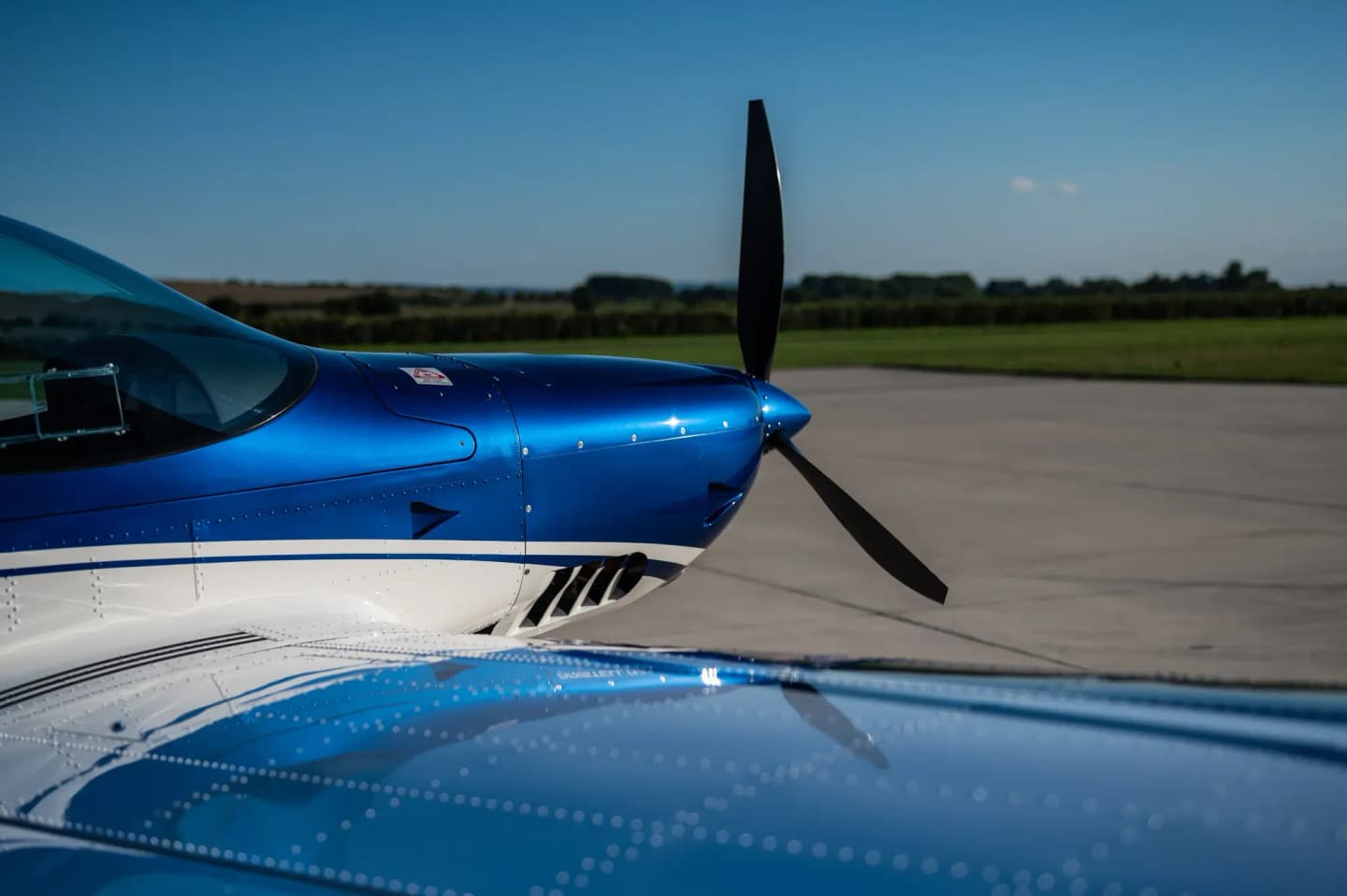
Side view of the blue-and-white nose, spinner and black propeller of a Bristell aircraft parked on an airfield apron, with green fields behind.

Propeller of Your Choice

Every aircraft in the family leaves the factory with a propeller matched to its engine and mission — fixed-pitch, ground-adjustable or constant-speed, configured to order. A ground-adjustable propeller keeps operation simple; a constant-speed unit automatically adjusts blade pitch to hold optimal RPM through climb and cruise, making the most of the turbocharged engines.

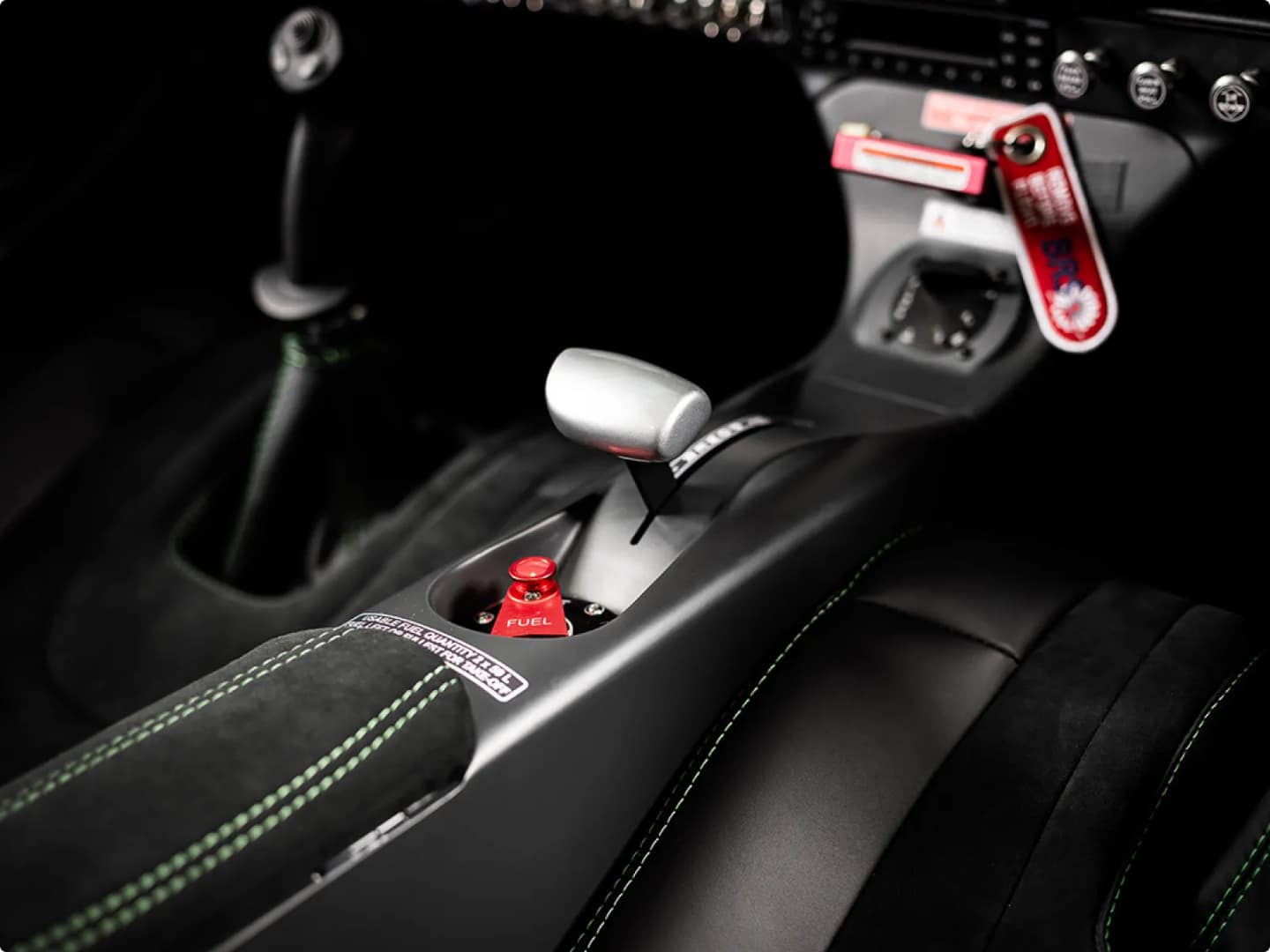
Single-lever power control throttle in a Bristell centre console.

Single Lever Power Control (SLPC)

Classic 912iSRG 912iSRG M 912iSTDO M 912iS

With the 912 iS and a constant-speed propeller, optional SLPC with FADEC combines throttle and propeller control in one lever — engine management stays simple and the propeller is always set right.

Features

Main features

The equipment that defines the family — and the options that make each aircraft its owner's.

Bristell all-metal 2024-T3 aluminium airframe construction

All-metal airframe

Standard

All-metal aircraft structure that deforms predictably under load and shows damage on the surface, unlike composite where damage can stay hidden. Fatigue behavior is predictable and well understood.

bristell aircraft top view

Predictable behavior

Standard

Benign, forgiving handling with gentle stall characteristics and no sudden wing drop, which gives the pilot time to react. Well suited to training and lower-time pilots.

4-point safety harness

4-point safety harness

Standard

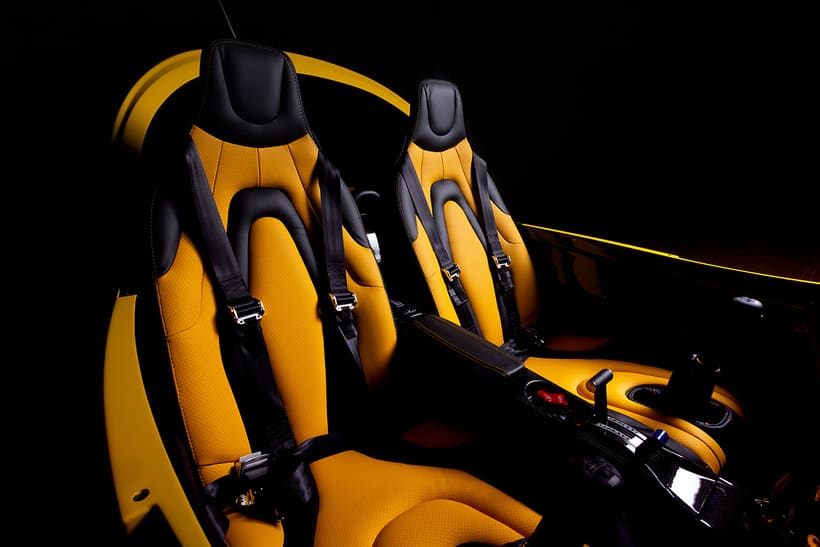
4-point AmSafe restraint system for both occupants on premium leather seats — better restraint and load distribution in a hard landing or impact.

Bristell B23 cockpit interior with two seats in the 130 cm (51.2 in) wide cabin

The most spacious cockpit in its class

Standard

The comfort of the most spacious cabin in its class — 130 cm (51.2 in) wide, and comfortable for two even on long cross-country flights.

Bristell glass cockpit fitted with dual control sticks for both seats.

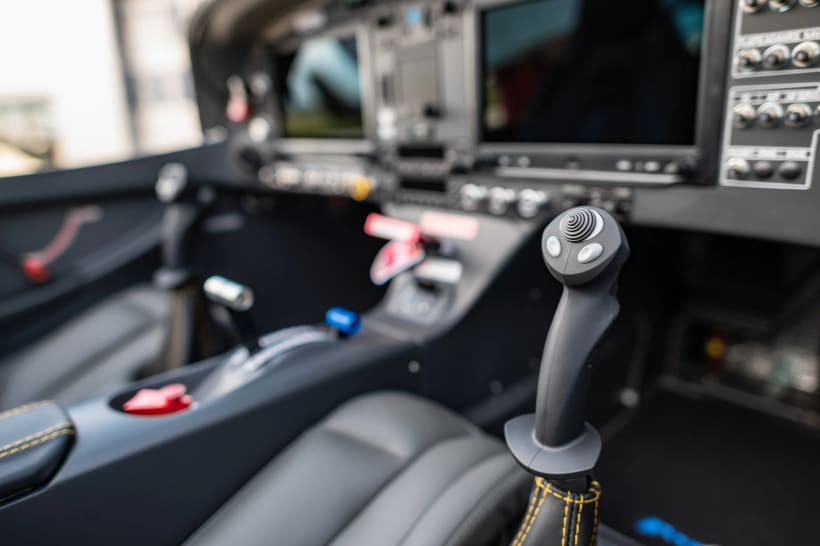
Dual control sticks

Standard

Centre-stick design with independent left and right sticks. No control yoke obstruction, for a direct and intuitive control feel.

Bristell B23 descending under the deployed BRS whole-aircraft parachute

BRS whole-aircraft parachute

Optional

Ballistic parachute that lowers the entire aircraft under a canopy in an emergency. Works within a defined minimum altitude and speed envelope.

BRS Aerospace
Specifications

Technical data

Each landing gear with its engine options side by side — figures per model and engine. Rows where the models differ are marked next to the row label.

Classic — fixed gear

Classic 912Rotax 912 ULS

Weights & Dimensions

MTOW
600 kg / 1,323 lbs
Useful load
270 kg / 595 lbs
Fuel capacity
120 L / 31.7 gal
Wingspan
8.204 m / 26 ft 11 in
Length
6.04 m / 19 ft 10 in
Cabin width
130 cm / 51.2 in

Performance

Max speed (VH)
123 KTAS / 228 km/h
Rate of climb
1,100 fpm / 5.6 m/s
Service ceiling

Certifications

Cert basis
UL
IFR
No
Night VFR
No
BRS parachute
Optional

Classic 912iSRotax 912 iS Sport

Weights & Dimensions

MTOW
600 kg / 1,323 lbs
Useful load
270 kg / 595 lbs
Fuel capacity
120 L / 31.7 gal
Wingspan
8.204 m / 26 ft 11 in
Length
6.04 m / 19 ft 10 in
Cabin width
130 cm / 51.2 in

Performance

Max speed (VH)
128 KTAS / 237 km/h
Rate of climb
1,150 fpm / 5.8 m/s
Service ceiling

Certifications

Cert basis
UL
IFR
No
Night VFR
No
BRS parachute
Optional

Classic 915iSRotax 915 iS

Weights & Dimensions

MTOW
600 kg / 1,323 lbs
Useful load
270 kg / 595 lbs
Fuel capacity
120 L / 31.7 gal
Wingspan
8.204 m / 26 ft 11 in
Length
6.04 m / 19 ft 10 in
Cabin width
130 cm / 51.2 in

Performance

Max speed (VH)
148 KTAS / 274 km/h
Rate of climb
1,300 fpm / 6.6 m/s
Service ceiling
20,000 ft / 6,096 m

Certifications

Cert basis
UL
IFR
No
Night VFR
No
BRS parachute
Optional

Classic 916iSRotax 916 iS

Weights & Dimensions

MTOW
600 kg / 1,323 lbs
Useful load
270 kg / 595 lbs
Fuel capacity
120 L / 31.7 gal
Wingspan
8.204 m / 26 ft 11 in
Length
6.04 m / 19 ft 10 in
Cabin width
130 cm / 51.2 in

Performance

Max speed (VH)
153 KTAS / 283 km/h
Rate of climb
1,500 fpm / 7.6 m/s
Service ceiling
23,000 ft / 7,010 m

Certifications

Cert basis
UL
IFR
No
Night VFR
No
BRS parachute
Optional

RG — retractable gear

RG 912Rotax 912 ULS

Weights & Dimensions

MTOW
600 kg / 1,323 lbs
Useful load
218 kg / 481 lbs
Fuel capacity
120 L / 31.7 gal
Wingspan
9.13 m / 29 ft 11 in
Length
6.45 m / 21 ft 2 in
Cabin width
130 cm / 51.2 in

Performance

Max speed (VH)
125 KTAS / 232 km/h
Rate of climb
1,400 fpm / 7.1 m/s

Certifications

Cert basis
UL
IFR
No
Night VFR
No
BRS parachute
Optional

RG 912iSRotax 912 iS Sport

Weights & Dimensions

MTOW
600 kg / 1,323 lbs
Useful load
214 kg / 472 lbs
Fuel capacity
120 L / 31.7 gal
Wingspan
9.13 m / 29 ft 11 in
Length
6.45 m / 21 ft 2 in
Cabin width
130 cm / 51.2 in

Performance

Max speed (VH)
125 KTAS / 232 km/h
Rate of climb
1,400 fpm / 7.1 m/s

Certifications

Cert basis
UL
IFR
No
Night VFR
No
BRS parachute
Optional

RG 916iSRotax 916 iS

Weights & Dimensions

MTOW
600 kg / 1,323 lbs
Useful load
215 kg / 474 lbs
Fuel capacity
120 L / 31.7 gal
Wingspan
9.13 m / 29 ft 11 in
Length
6.45 m / 21 ft 2 in
Cabin width
130 cm / 51.2 in

Performance

Max speed (VH)
155 KTAS / 287 km/h
Rate of climb
1,950 fpm / 9.9 m/s

Certifications

Cert basis
UL
IFR
No
Night VFR
No
BRS parachute
Optional

RG M 912iSRotax 912 iS Sport

Weights & Dimensions

MTOW
600 kg / 1,323 lbs
Useful load
214 kg / 472 lbs
Fuel capacity
120 L / 31.7 gal
Wingspan
9.13 m / 29 ft 11 in
Length
6.45 m / 21 ft 2 in
Cabin width
130 cm / 51.2 in

Performance

Max speed (VH)
125 KTAS / 232 km/h
Rate of climb
1,400 fpm / 7.1 m/s

Certifications

Cert basis
MOSAIC eligible · LSA
IFR
No
Night VFR
No
BRS parachute
Optional

RG M 916iSRotax 916 iS

Weights & Dimensions

MTOW
600 kg / 1,323 lbs
Useful load
215 kg / 474 lbs
Fuel capacity
120 L / 31.7 gal
Wingspan
9.13 m / 29 ft 11 in
Length
6.45 m / 21 ft 2 in
Cabin width
130 cm / 51.2 in

Performance

Max speed (VH)
155 KTAS / 287 km/h
Rate of climb
1,950 fpm / 9.9 m/s

Certifications

Cert basis
MOSAIC eligible · LSA
IFR
No
Night VFR
No
BRS parachute
Optional

TDO — taildragger

TDO 912Rotax 912 ULS

Weights & Dimensions

MTOW
600 kg / 1,323 lbs
Useful load
280 kg / 617 lbs
Fuel capacity
120 L / 31.7 gal
Wingspan
9.13 m / 29 ft 11 in
Length
6.45 m / 21 ft 2 in
Cabin width
130 cm / 51.2 in

Performance

Max speed (VH)
130 KTAS / 241 km/h
Rate of climb
1,100 fpm / 5.6 m/s

Certifications

Cert basis
UL
IFR
No
Night VFR
No
BRS parachute
Optional

TDO 915iSRotax 915 iS

Weights & Dimensions

MTOW
600 kg / 1,323 lbs
Useful load
240 kg / 529 lbs
Fuel capacity
120 L / 31.7 gal
Wingspan
9.13 m / 29 ft 11 in
Length
6.45 m / 21 ft 2 in
Cabin width
130 cm / 51.2 in

Performance

Max speed (VH)
155 KTAS / 287 km/h
Rate of climb
1,300 fpm / 6.6 m/s

Certifications

Cert basis
UL
IFR
No
Night VFR
No
BRS parachute
Optional

TDO M 912iSRotax 912 iS Sport

Weights & Dimensions

MTOW
600 kg / 1,323 lbs
Useful load
214 kg / 472 lbs
Fuel capacity
120 L / 31.7 gal
Wingspan
9.13 m / 29 ft 11 in
Length
6.45 m / 21 ft 2 in
Cabin width
130 cm / 51.2 in

Performance

Max speed (VH)
125 KTAS / 232 km/h
Rate of climb
1,400 fpm / 7.1 m/s

Certifications

Cert basis
MOSAIC eligible · LSA
IFR
No
Night VFR
No
BRS parachute
Optional

TDO M 916iSRotax 916 iS

Weights & Dimensions

MTOW
600 kg / 1,323 lbs
Useful load
215 kg / 474 lbs
Fuel capacity
120 L / 31.7 gal
Wingspan
9.13 m / 29 ft 11 in
Length
6.45 m / 21 ft 2 in
Cabin width
130 cm / 51.2 in

Performance

Max speed (VH)
155 KTAS / 287 km/h
Rate of climb
1,950 fpm / 9.9 m/s

Certifications

Cert basis
MOSAIC eligible · LSA
IFR
No
Night VFR
No
BRS parachute
Optional
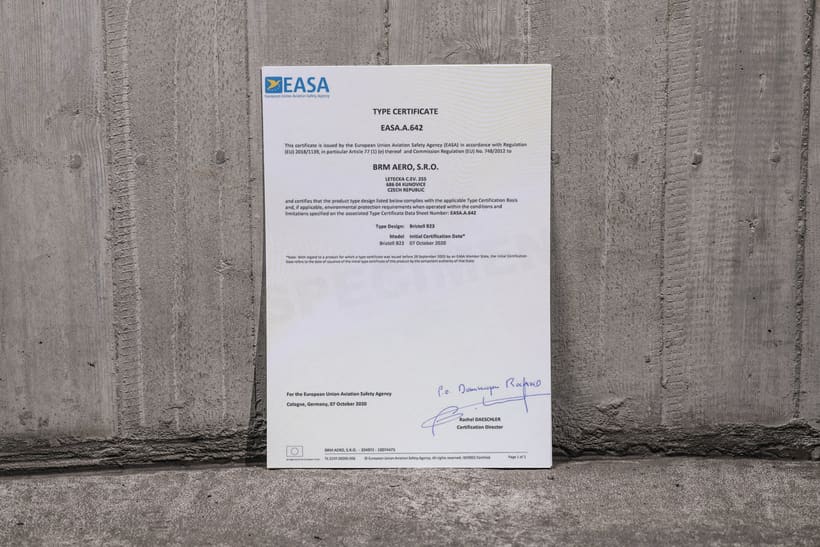
Certification

UL in Europe. LSA in the USA.

One family, one class — flown under national ultralight rules in Europe and as a Light Sport Aircraft in the USA. The full authority-by-authority overview lives in the certification matrix.

Ultralight (Europe)

Flown under national ultralight rules, country by country — the Classic and RG hold Germany DAEC type certification, and national UL registrations are available across Europe.

LSA · MOSAIC

In the USA the family flies as a Light Sport Aircraft and meets the FAA's MOSAIC light-sport rules — Sport Pilot eligible, no FAA medical certificate required.

Ownership

Factory-backed. Globally serviced. Built to your spec.

Every Bristell ships with the same factory backing, service network and personalisation options — wherever in the world it lands.

Warranty

2 YR · 500 H · 1,000 LDG

2 years, 500 flight hours, or 1,000 landings — whichever comes first. Covers airframe, electrical installation, engine installation and aircraft completion. Rotax engine and avionics carry separate manufacturer warranties.

Bristell Direct

24/7 worldwide

Your direct line to the factory in Kunovice. Service, parts and custom requests — handled by the people who built your aircraft.

Worldwide Support

30+ countries

Authorised service in 30+ countries. Wherever you land, your aircraft stays in the air.

Built to Order

No two leave the factory the same.

Every Bristell is built around its pilot. Tell us how you'll fly yours — and we'll build it.

  1. Choice of landing gear

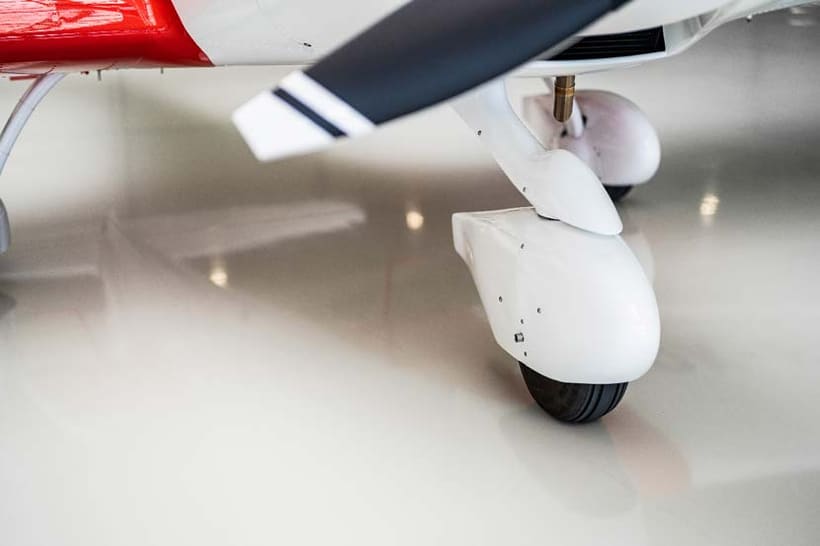
    Fixed tricycle gear on the Classic, hydraulically retractable on the RG, a tailwheel on the TDO — pick the character that matches your flying.

    Bristell RG M retractable-gear aircraft in flight
  2. Choice of engine

    Four Rotax engines, from the carbureted 912 ULS (100 HP / 73.5 kW) to the turbocharged 916 iS (160 HP / 117.6 kW). Pick the power that matches your mission.

    Engine Rotax 916iS in Bristell Aircraft
  3. Choice of propeller

    Fixed-pitch, ground-adjustable or constant-speed — matched to your engine at the factory. With the 912 iS and a constant-speed unit, optional SLPC combines throttle and propeller in one lever.

    Side view of the blue-and-white nose, spinner and black propeller of a Bristell aircraft parked on an airfield apron, with green fields behind.
  4. Design your panel

    From analog gauges to a full Garmin glass cockpit — the panel is entirely yours to specify.

    Bristell Classic 916iS — cockpit interior
  5. Exterior design

    From a clean single-color scheme to a full Bristell Signature design — the factory paint shop finishes every airframe to order.

    Bristell Classic 912 — exterior detail
  6. Interior design

    Leather trim, Alcantara accents and signature stitching — finished around its pilot.

    BRISTELL Upholstery
  7. Fly

    Book a demo flight, take delivery and join 1,200+ Bristells flying worldwide.

FAQ

Frequently asked questions

Is this the easiest way to start flying?

For most pilots, yes. Ultralight and Light Sport flying carries the lightest licensing requirements in aviation, and the Bristell UL/LSA family adds forgiving handling, predictable stall behavior and low operating costs — the same aircraft flight schools use for ab-initio training.

Do I need a licence or a medical certificate?

In Europe the family is flown under national ultralight rules — licence and medical requirements are lighter than for certified aircraft, and your national authority or Bristell dealer will guide you through the specifics. In the USA the family flies under Sport Pilot rules — no FAA medical certificate required.

What is the difference between the Classic, RG and TDO?

The landing gear. All three share the same all-metal airframe and 130 cm (51.2 in) cabin — the Classic has fixed tricycle gear, the RG hydraulically retractable gear for the highest speed, and the TDO a tailwheel for stick-and-rudder flying.

Which engines are available?

Four Rotax engines: the carbureted 912 ULS at 100 HP (73.5 kW) with a 2,000-hour TBO, the fuel-injected 912 iS at 100 HP (73.5 kW) with FADEC, the turbocharged 915 iS at 141 HP (103.7 kW) with a 1,200-hour TBO, and the turbocharged 916 iS at 160 HP (117.6 kW) with a 2,000-hour TBO. Every engine runs on automotive MOGAS or AVGAS.

How fast is it?

Up to 155 KTAS (287 km/h) with the retractable-gear RG and the 916 iS. The fixed-gear Classic reaches up to 153 KTAS (283 km/h) with the same engine, and the taildragger TDO up to 155 KTAS (287 km/h) with the turbocharged engines.

Can I tow gliders with it?

Yes — with the Classic. An optional glider-towing hook is available on the fixed-gear Classic, for gliders up to 700 kg (1,543 lbs) on the 912iS, 800 kg (1,764 lbs) on the 915iS and 850 kg (1,874 lbs) on the 916iS. The certified B23 also tows — see the towing page for the full range.

Is a ballistic parachute available?

Yes. A BRS whole-aircraft parachute is available as an option on every model in the family, alongside the standard 4-point safety harness on both seats.

Does it meet MOSAIC?

In the USA, yes — the family is offered as a Light Sport Aircraft that meets the FAA's MOSAIC light-sport rules, flown under Sport Pilot privileges without an FAA medical certificate.

How much does it cost?

The price depends on the model, engine, propeller and avionics configuration. Request a quote and our team will prepare an offer for your mission.