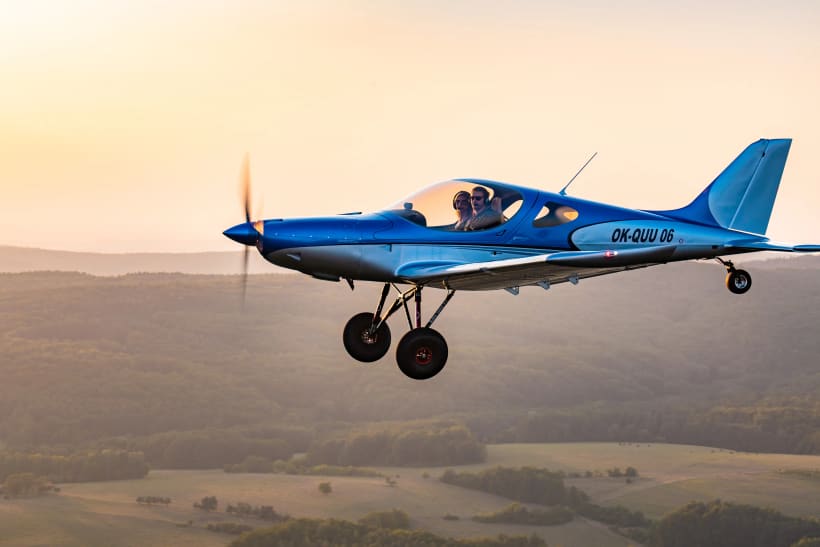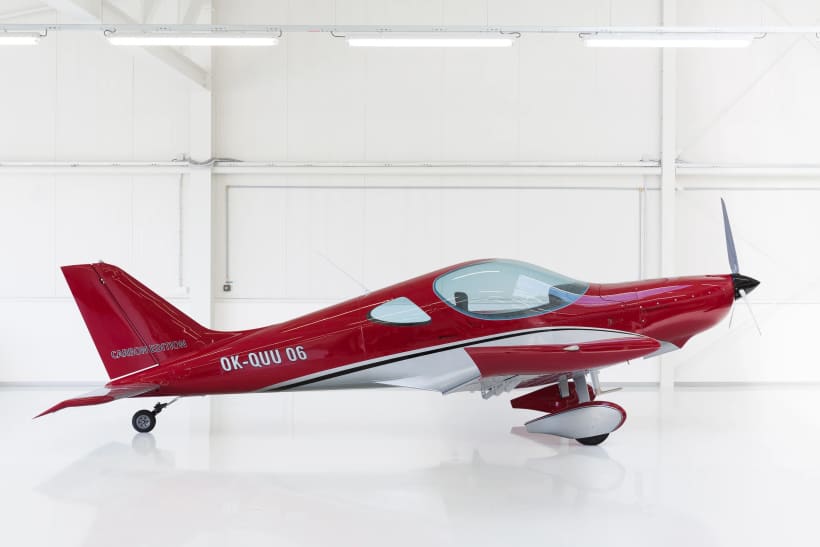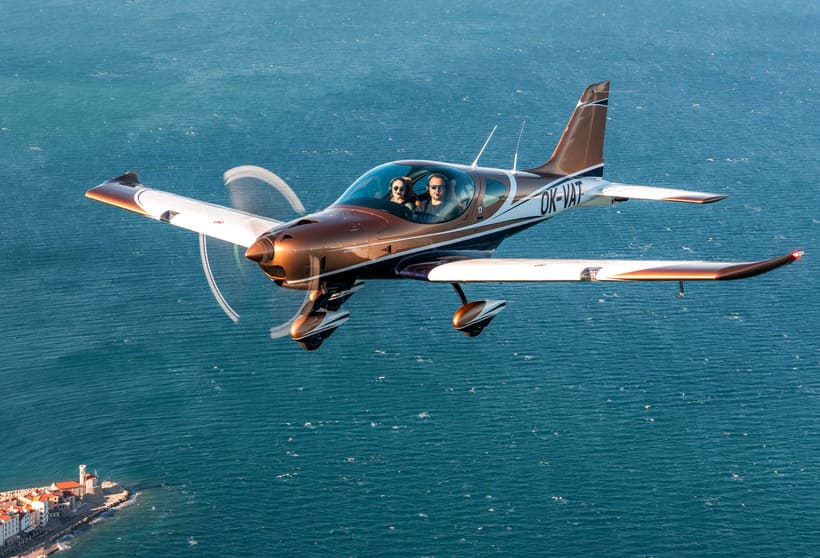
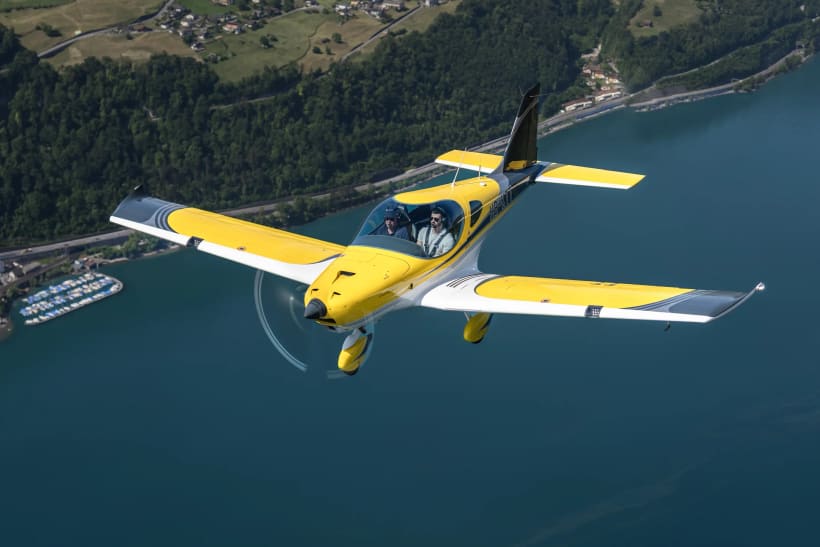
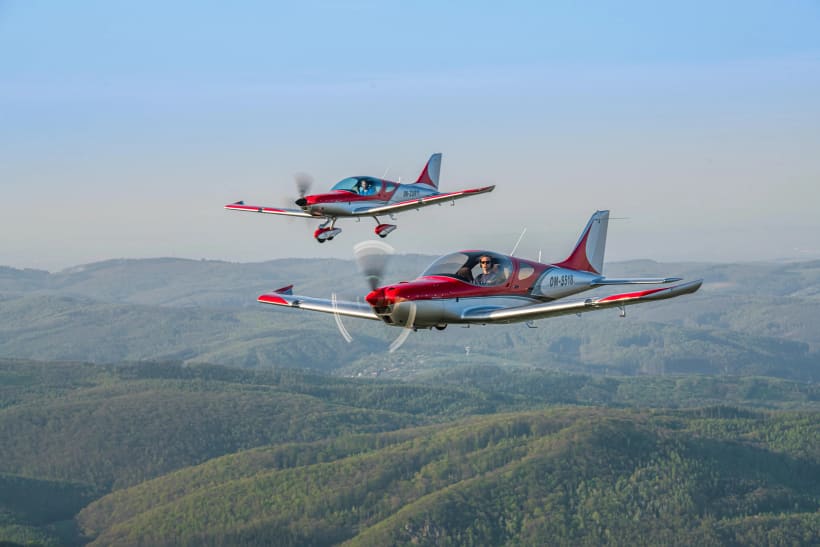



Bristell UL/LSA Classic 912iS
UL

Bristell UL/LSA Classic 912iS

Classic Efficiency. Modern Intelligence.

Overview

The Classic, fuel-injected

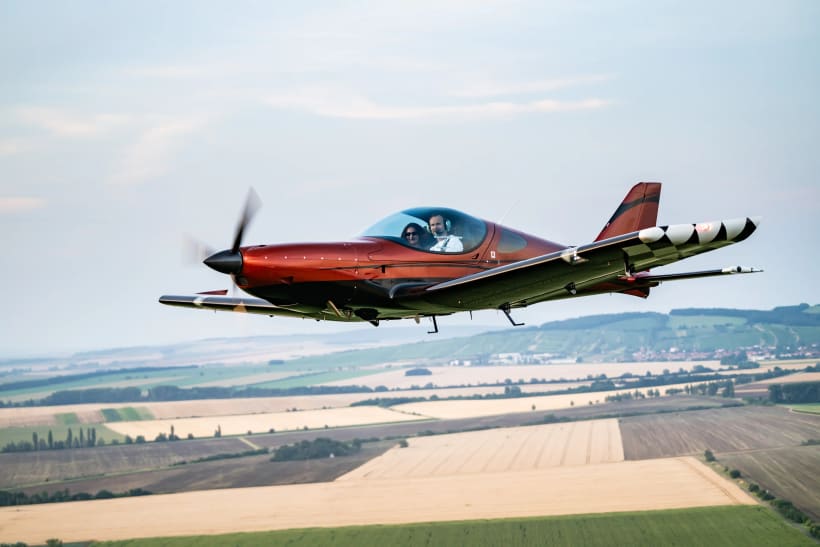
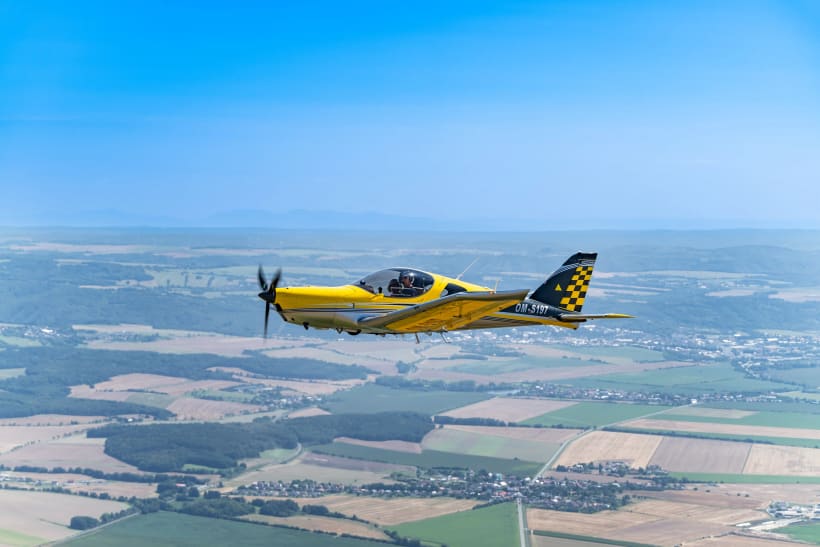
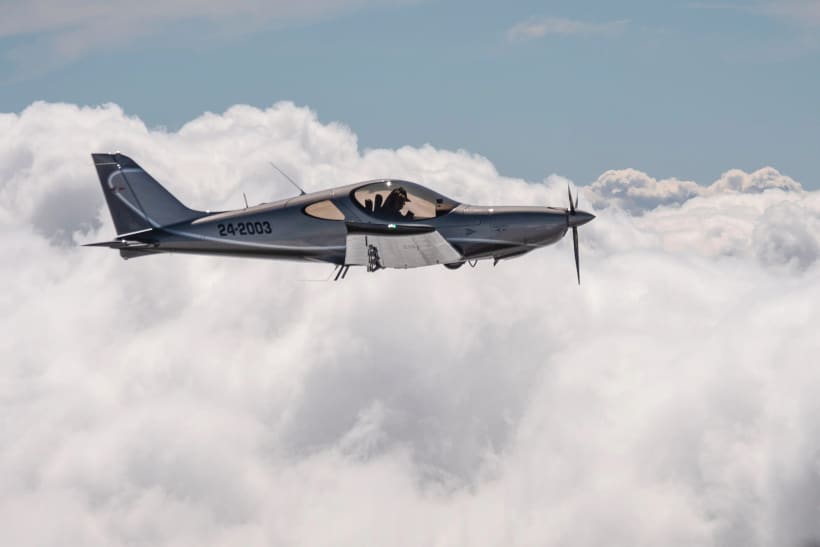
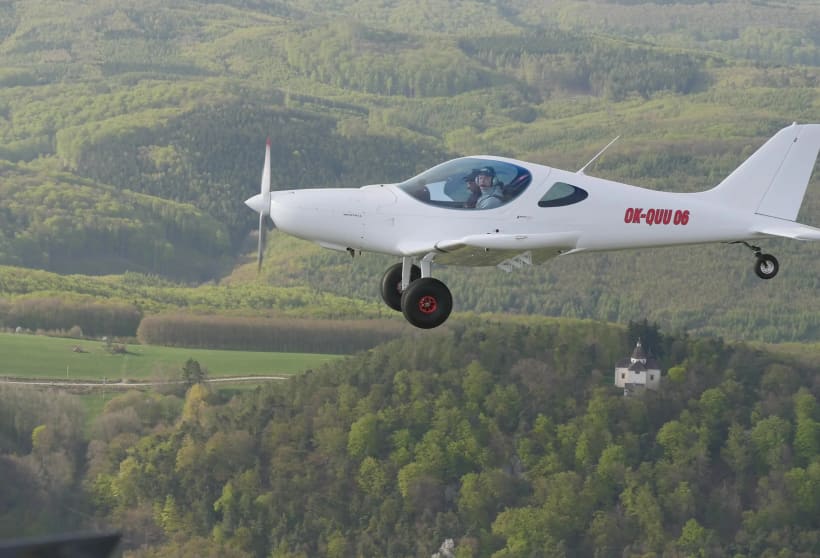
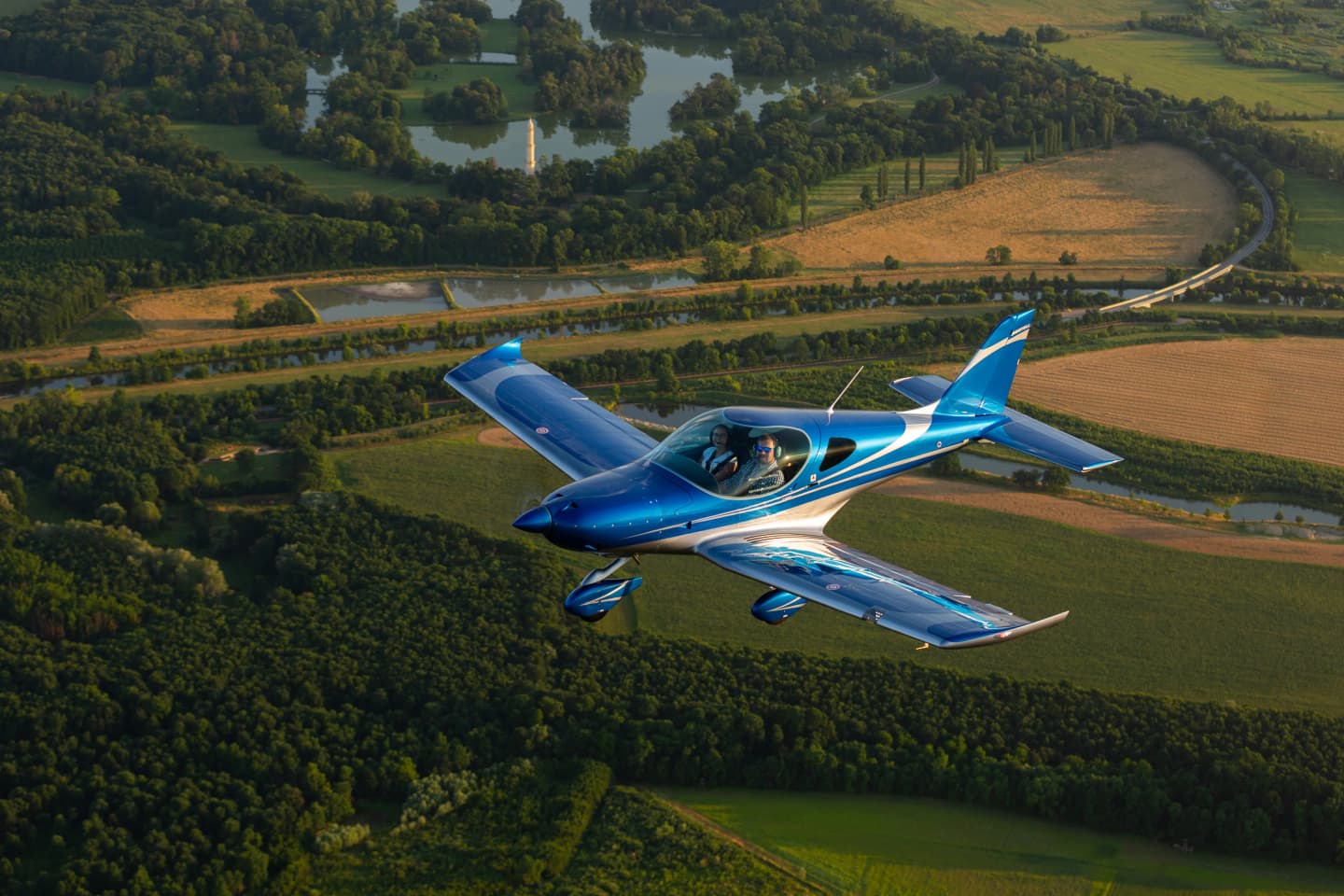
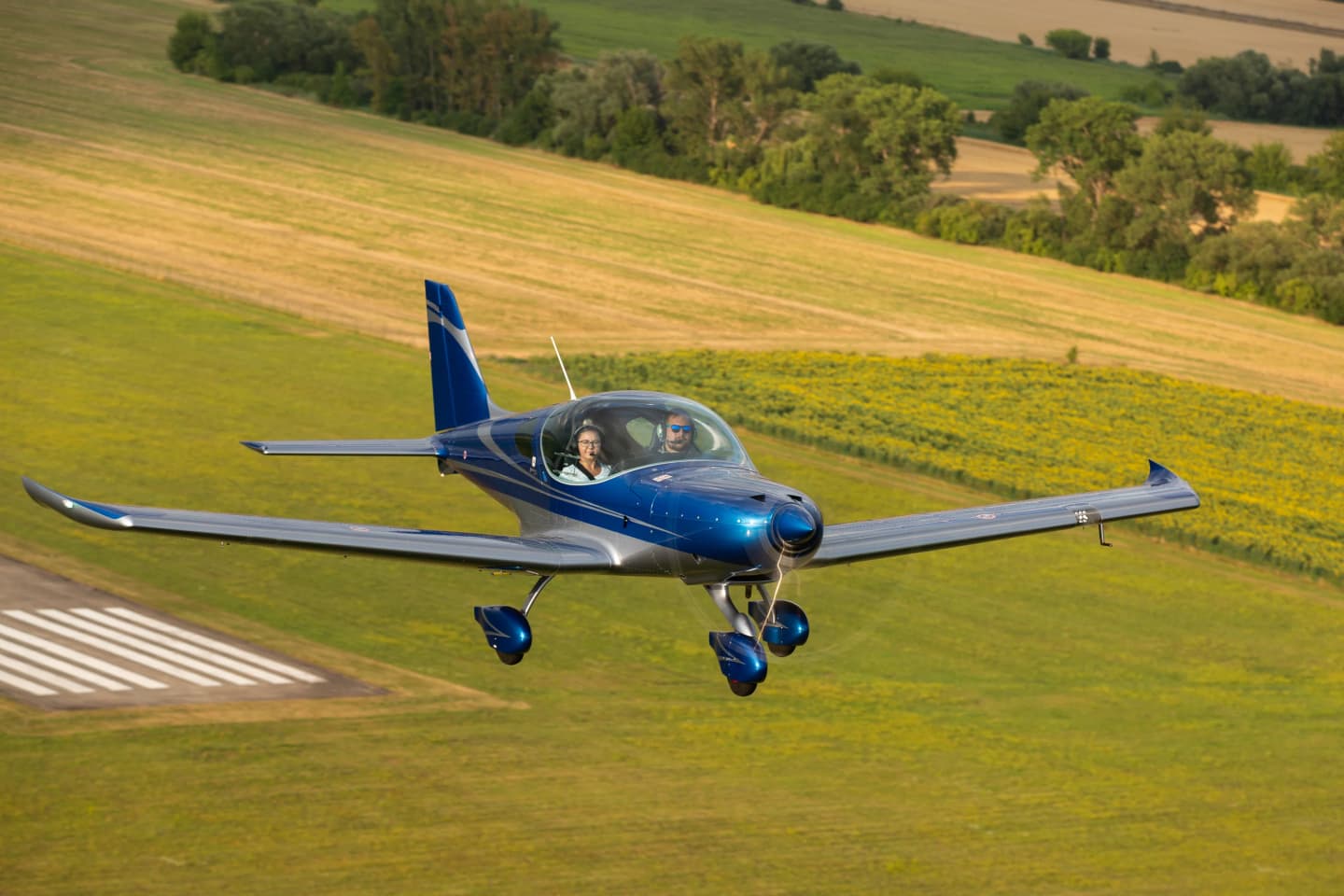
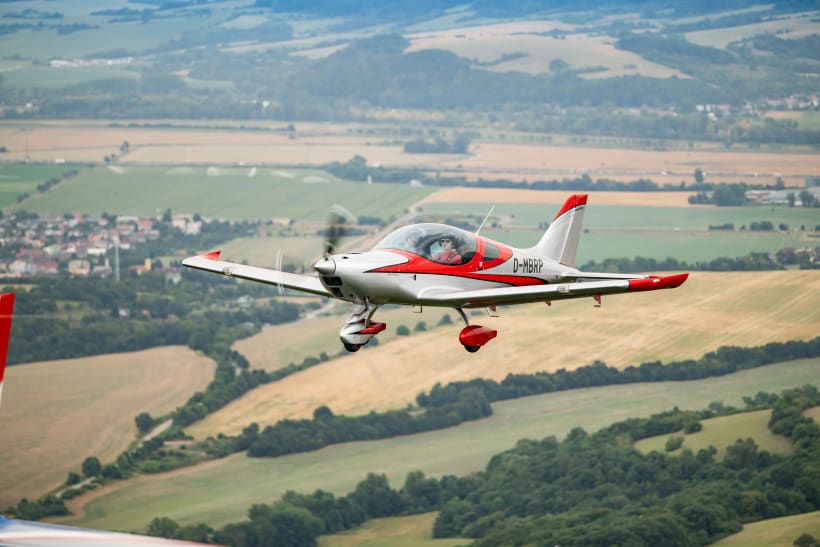
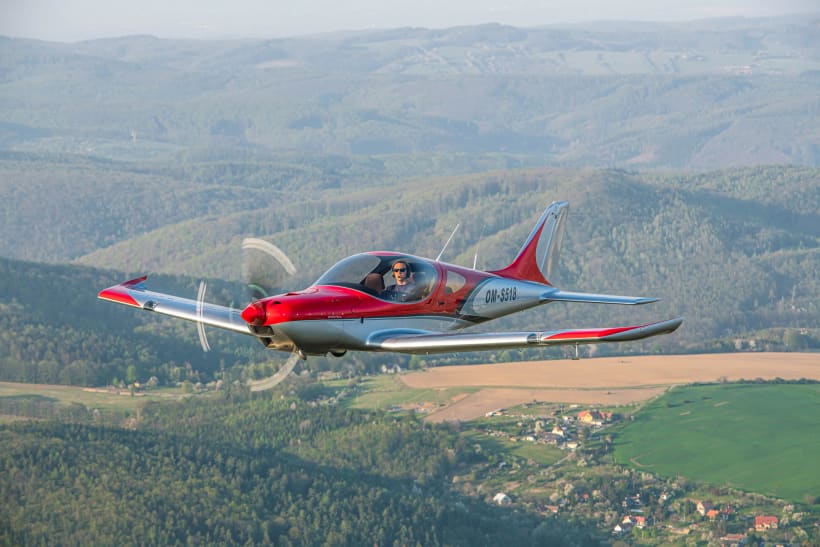
The Classic 912iS pairs the light UL/LSA Classic airframe with the electronically fuel-injected Rotax 912 iS. Modern Garmin glass, no carburettor icing and up to 30% fuel savings at 600 kg (1,323 lb) MTOW.

128 KTAS
237 km/h
MAX SPEED
4 GPH
15.1 L/h
FUEL BURN (75%)
1,150 fpm
5.8 m/s
CLIMB RATE
1,323 lbs
600 kg
MTOW
595 lbs
270 kg
USEFUL LOAD
DESIGN & GALLERY

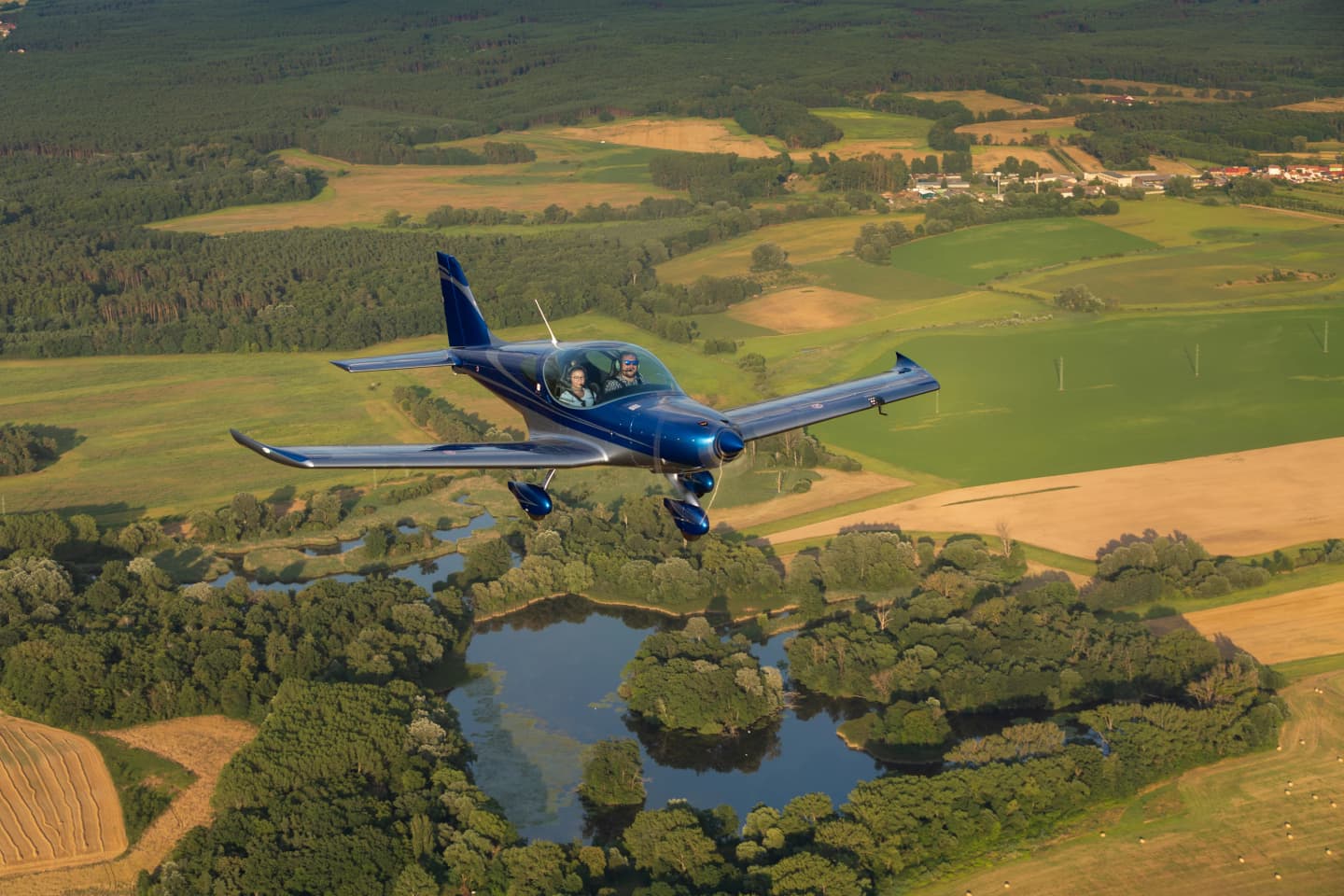
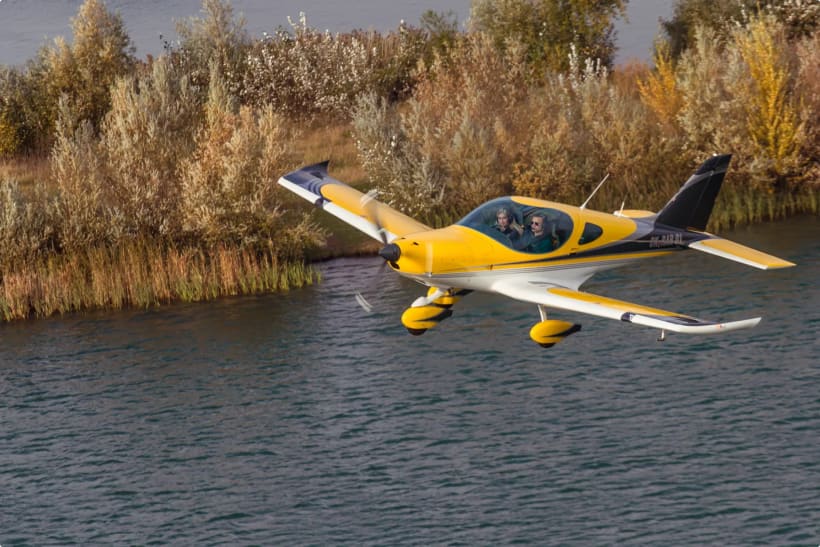
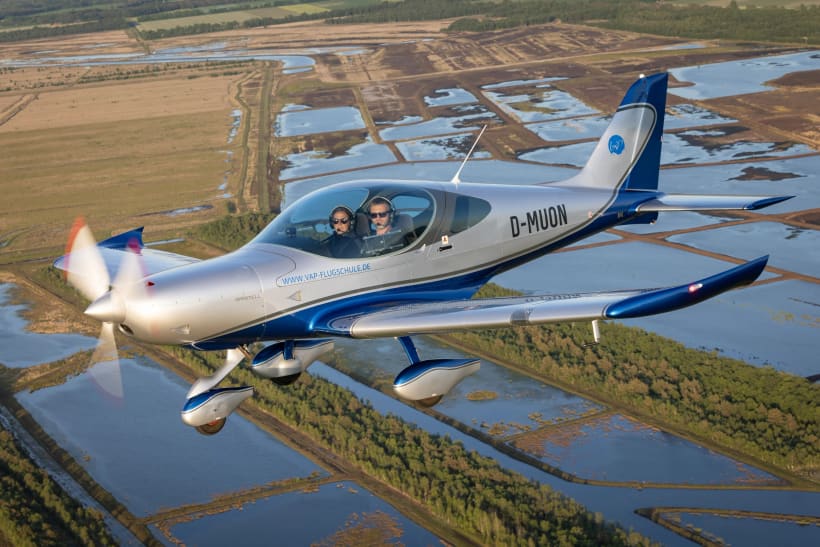
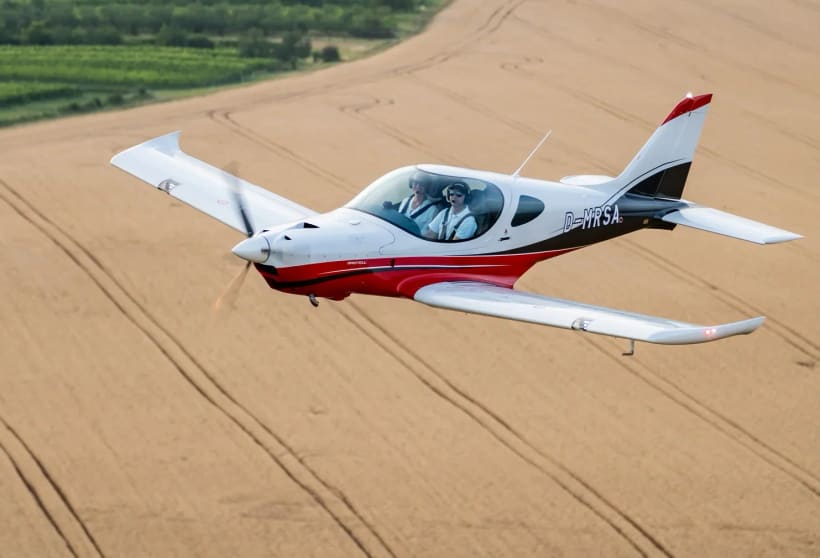
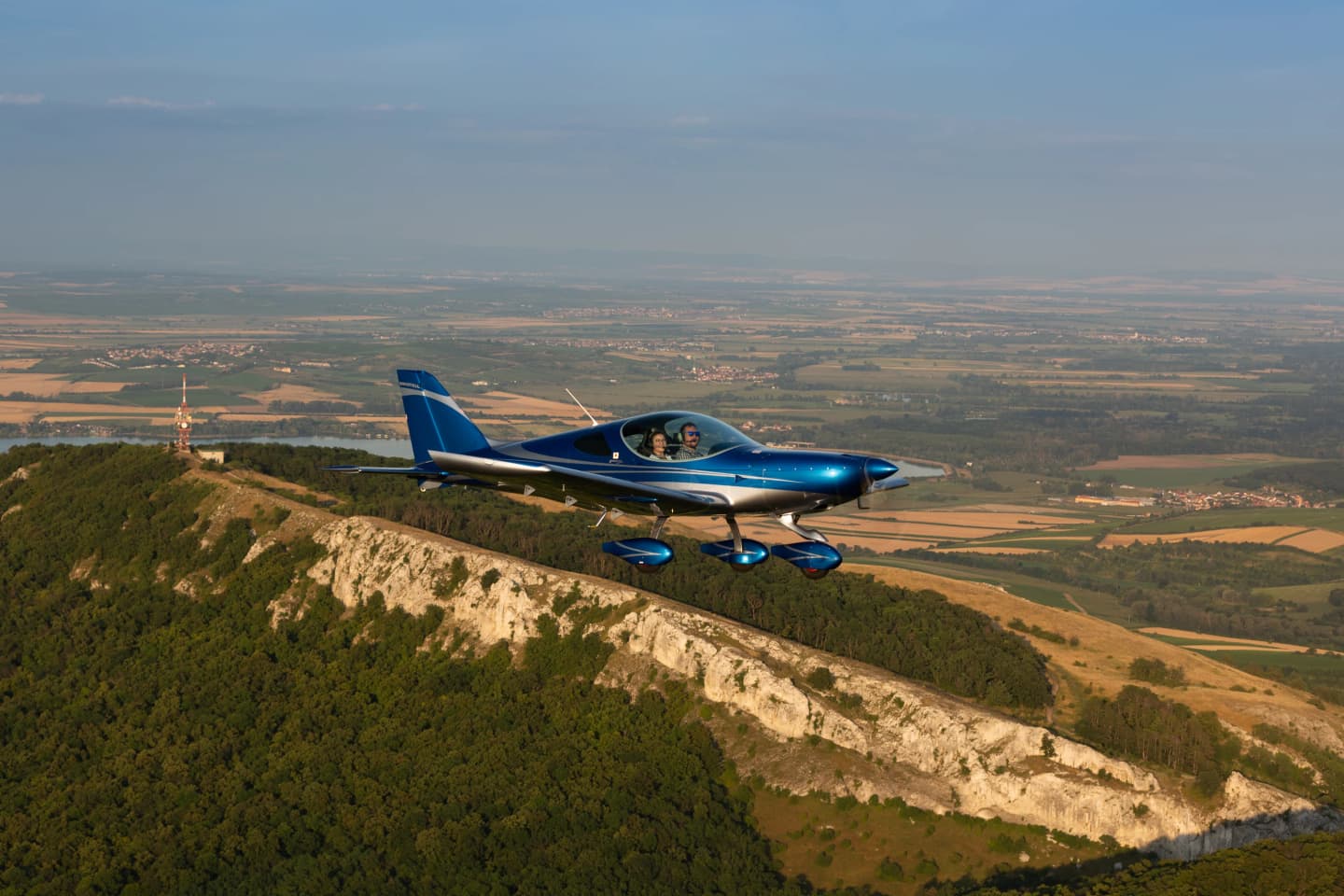
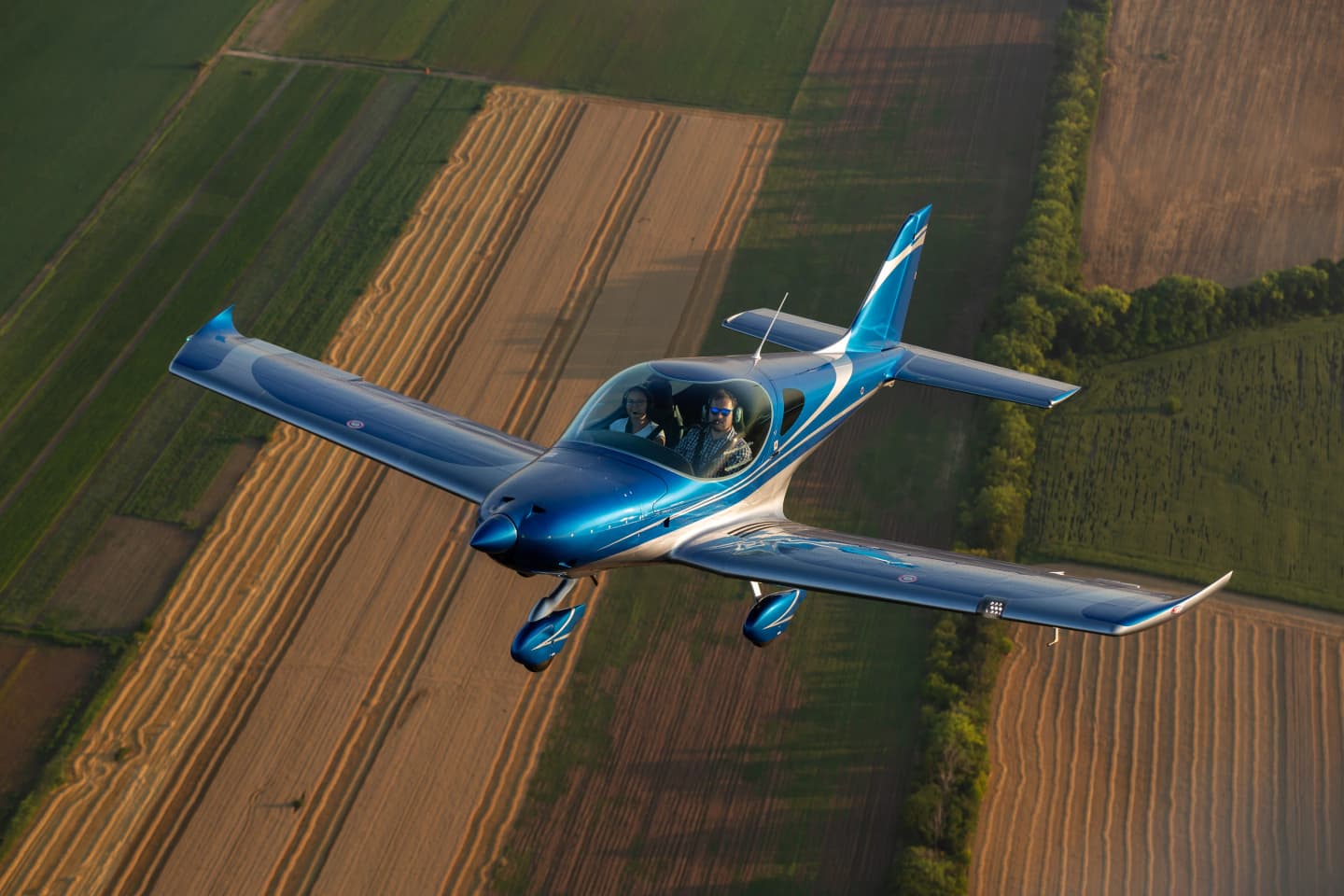
Light airframe, modern cockpit.

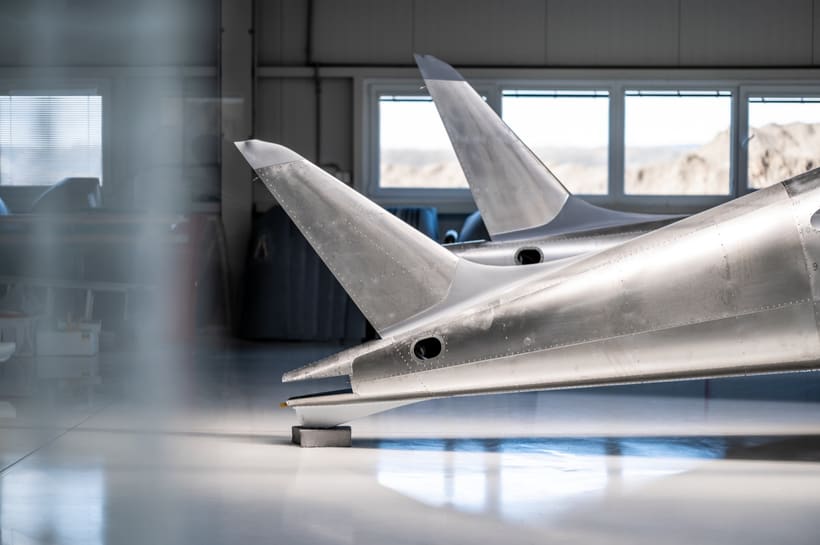
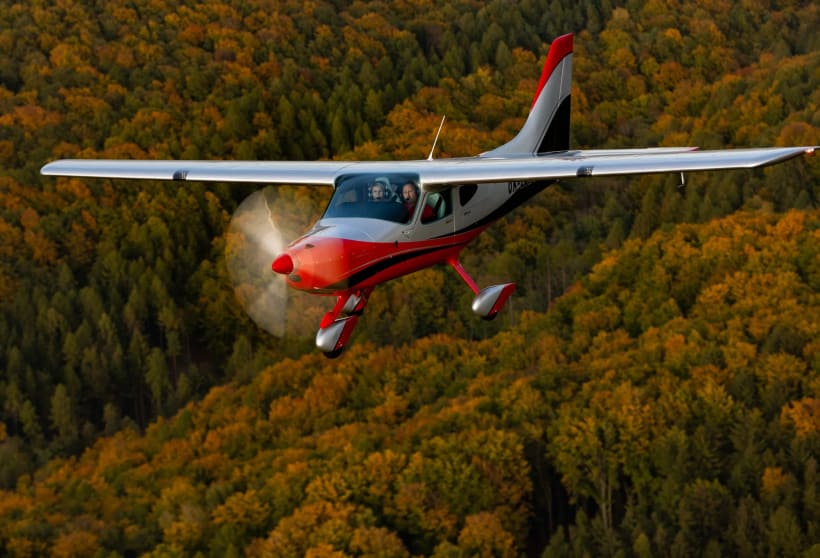
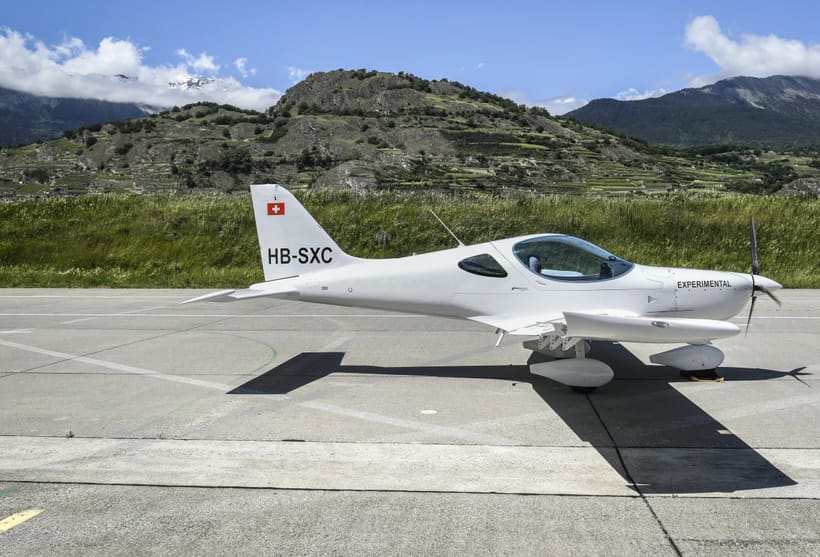
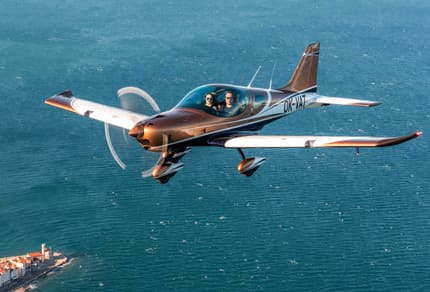
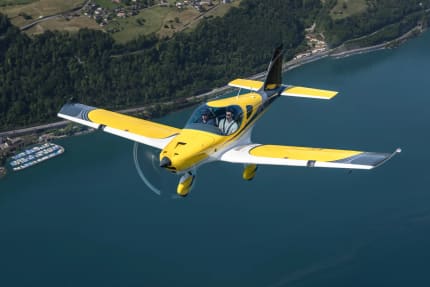
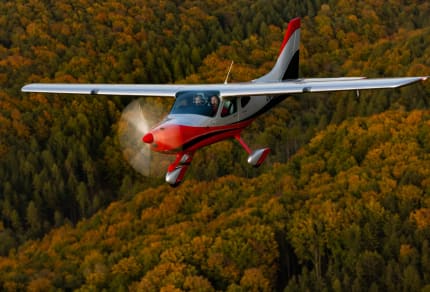
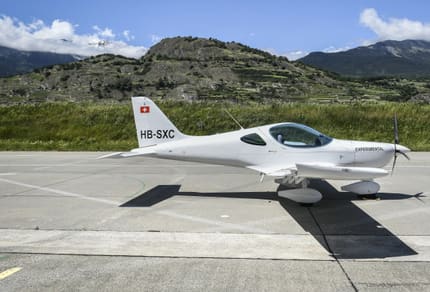
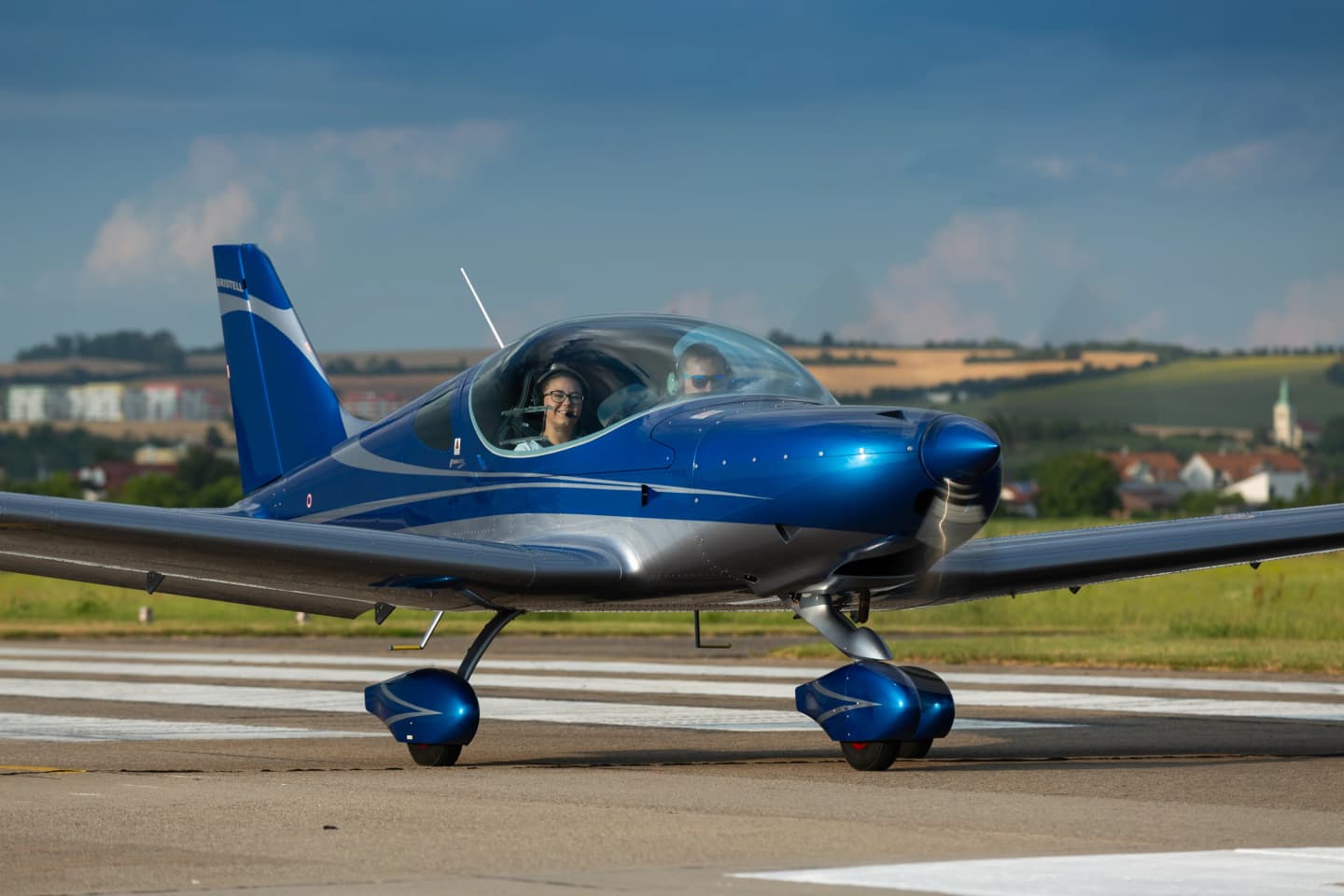
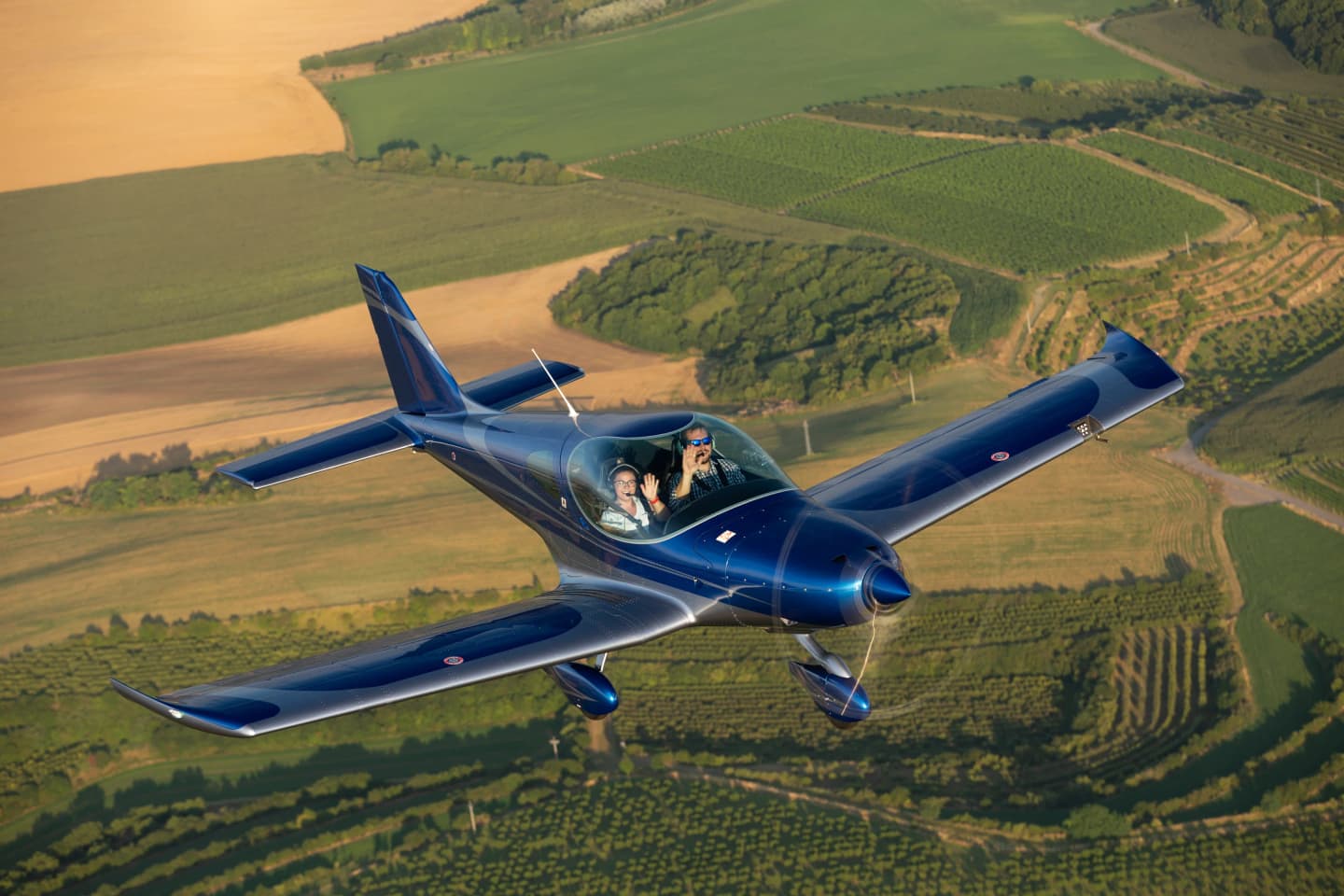
Low-wing all-metal construction with a 130 cm (51 in) cockpit. The same trusted Classic shell, upgraded for a cleaner, smarter flying experience.

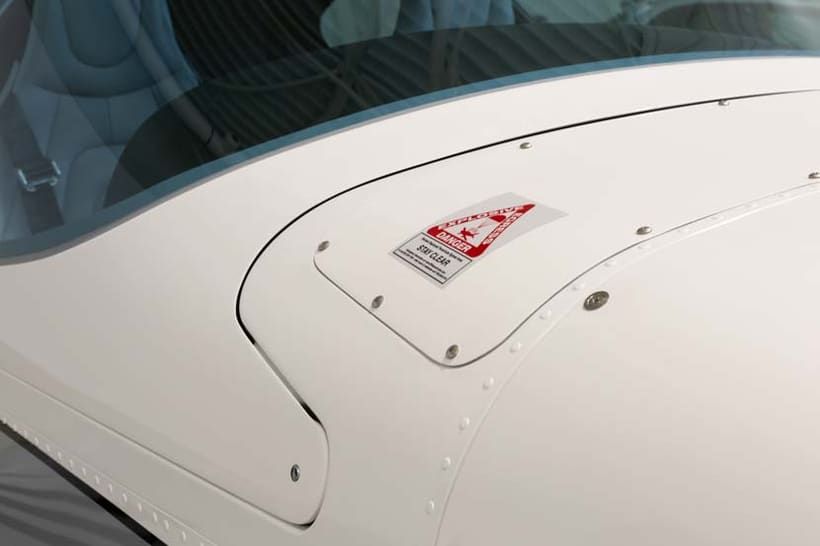
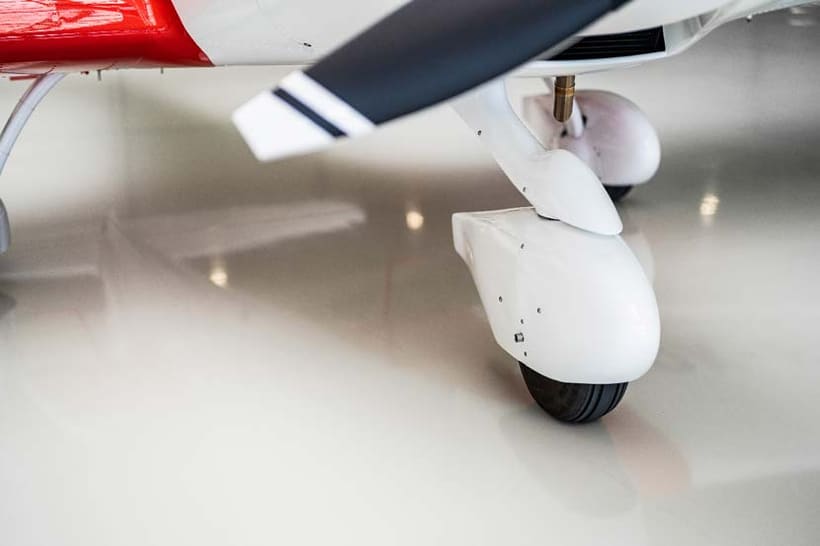
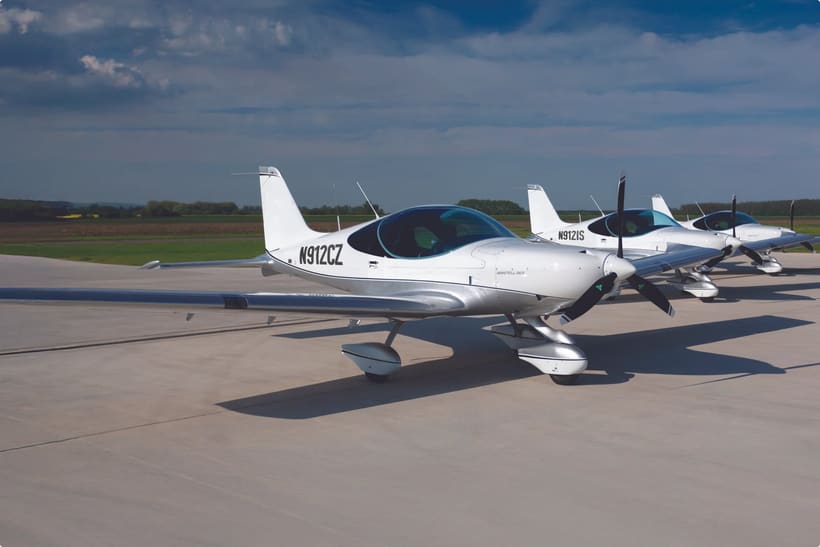
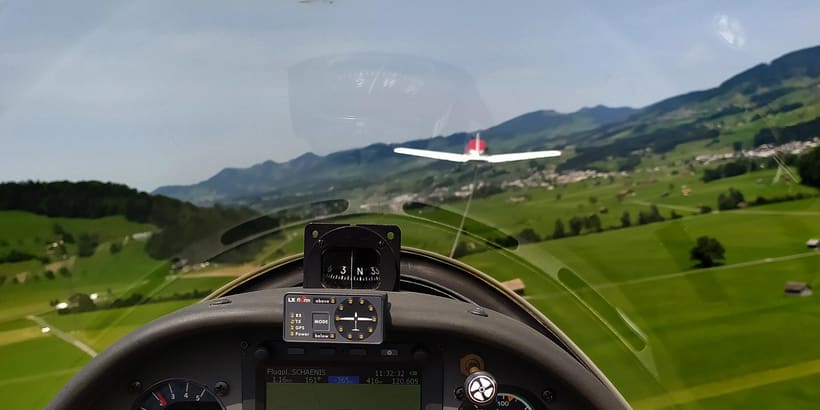
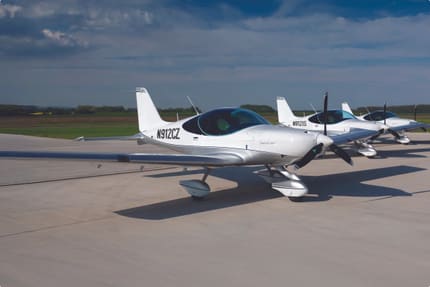
Bristell Classic 912iS — exterior detail
Avionics & Technology

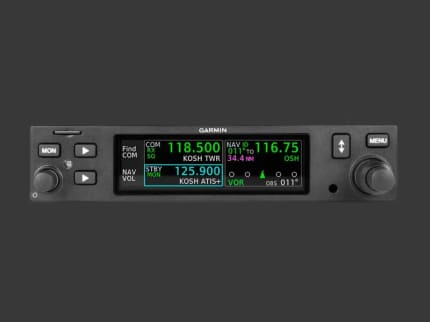
Garmin glass comes with the engine.

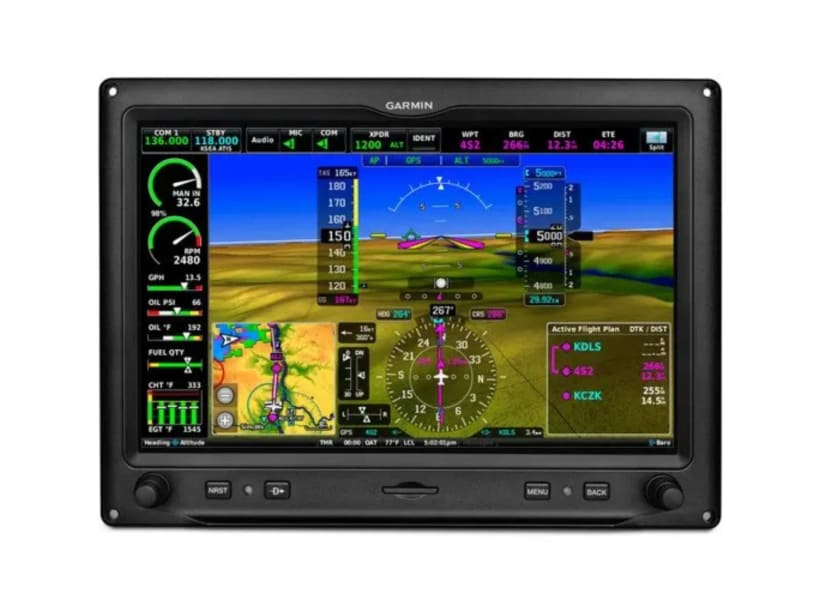
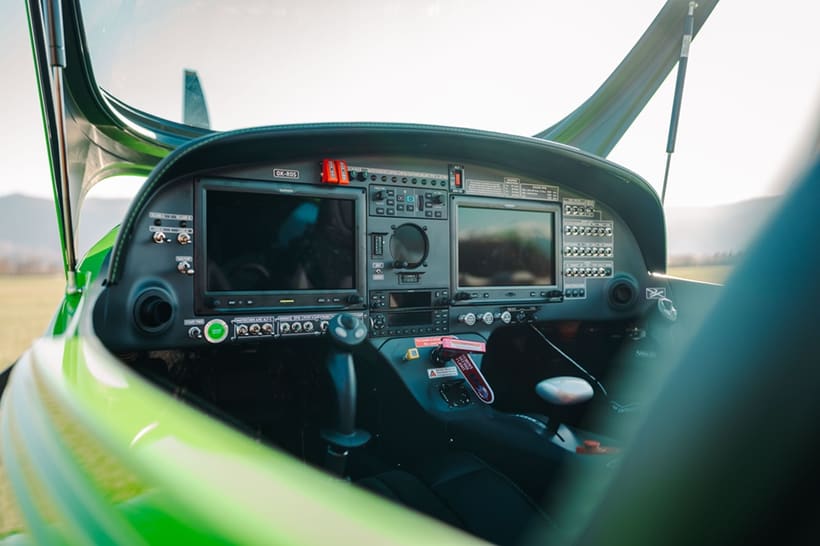
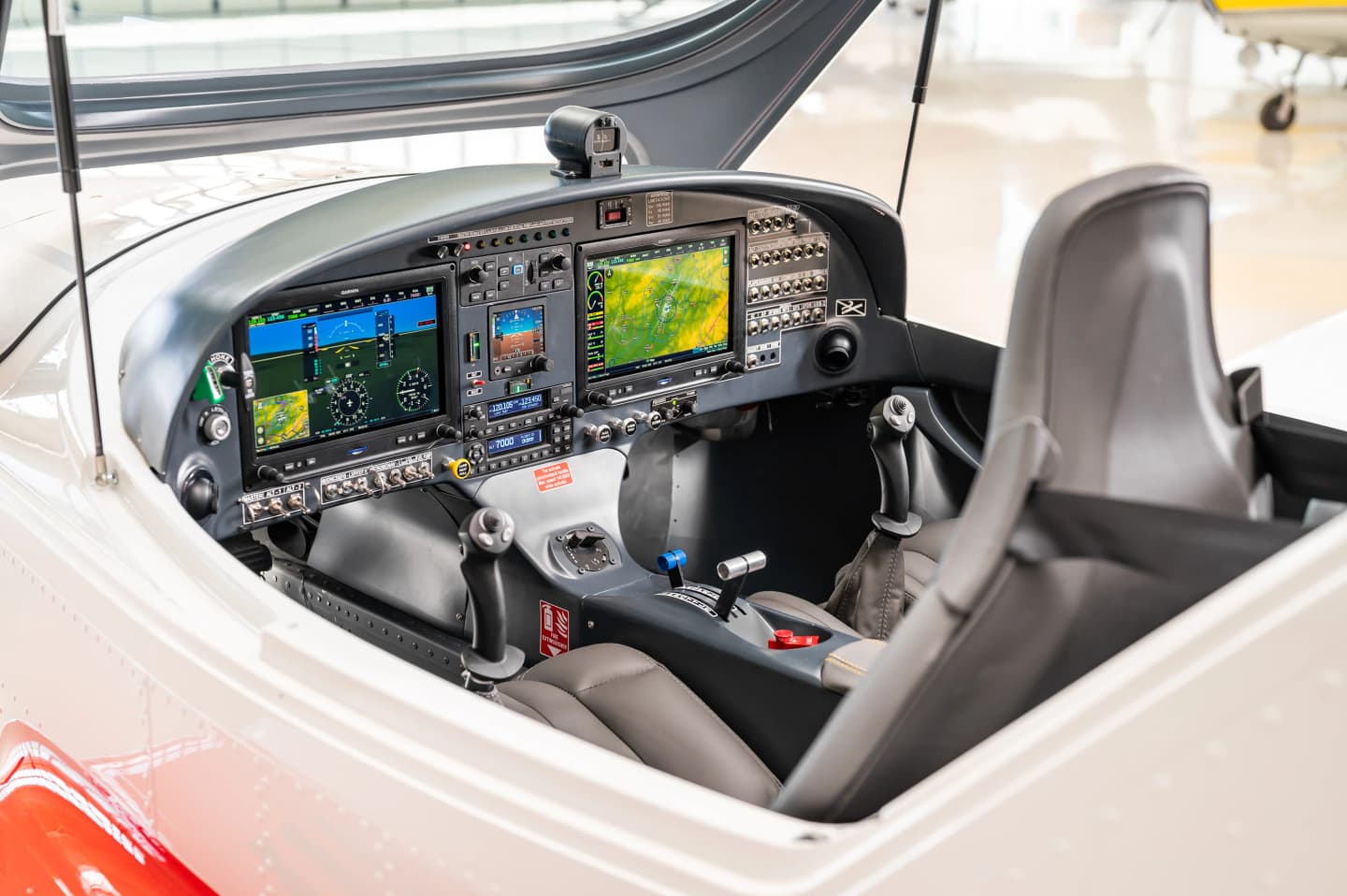
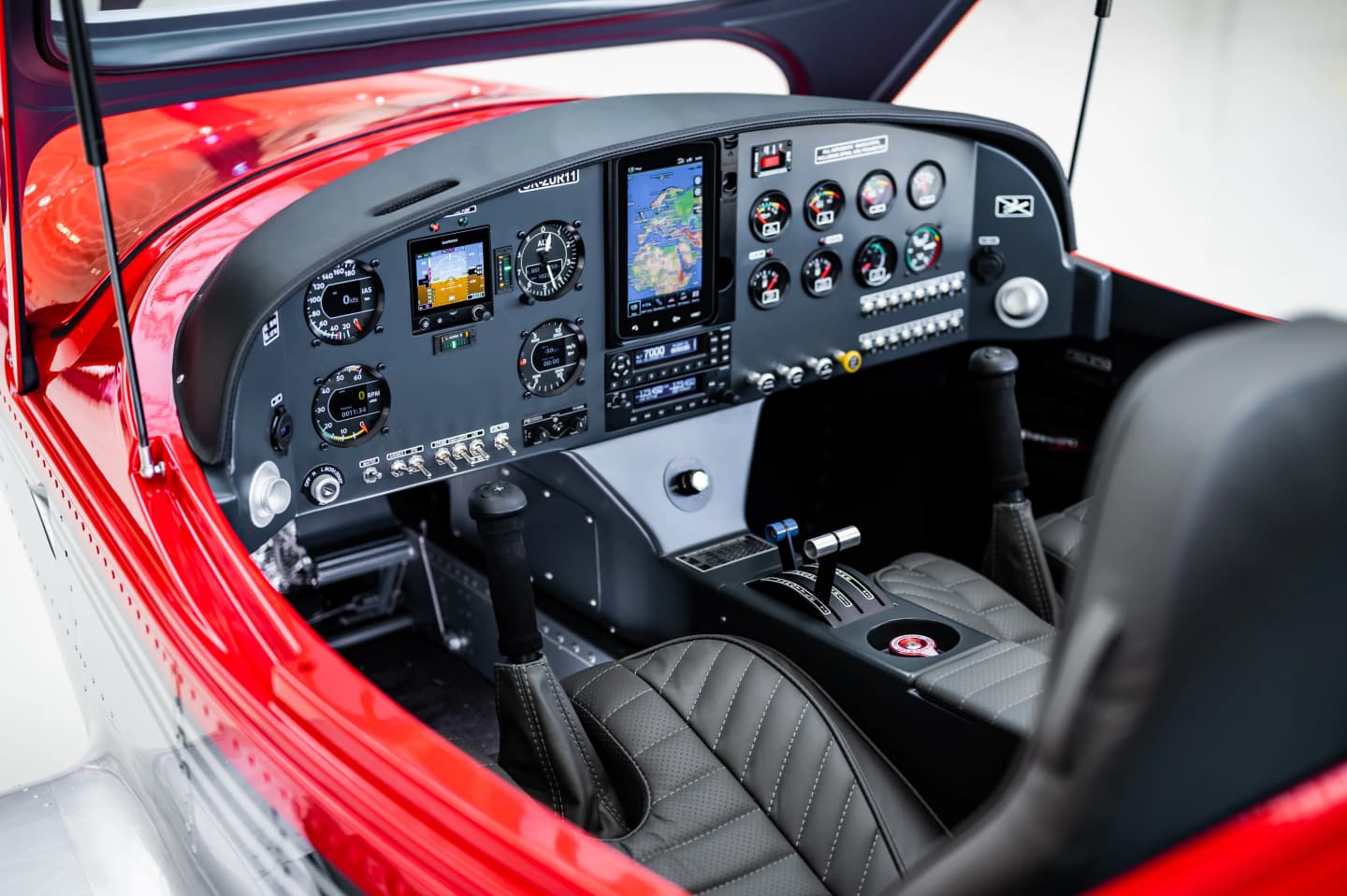
The fuel-injected engine is monitored through a Garmin G3X Touch display, so at least one G3X is always on board and a fully analogue panel is not offered. A dual G3X Touch panel with GMC 507 autopilot is available as an option. Electric elevator and flap trim are standard for lighter, more precise handling.

Bristell B23 panel

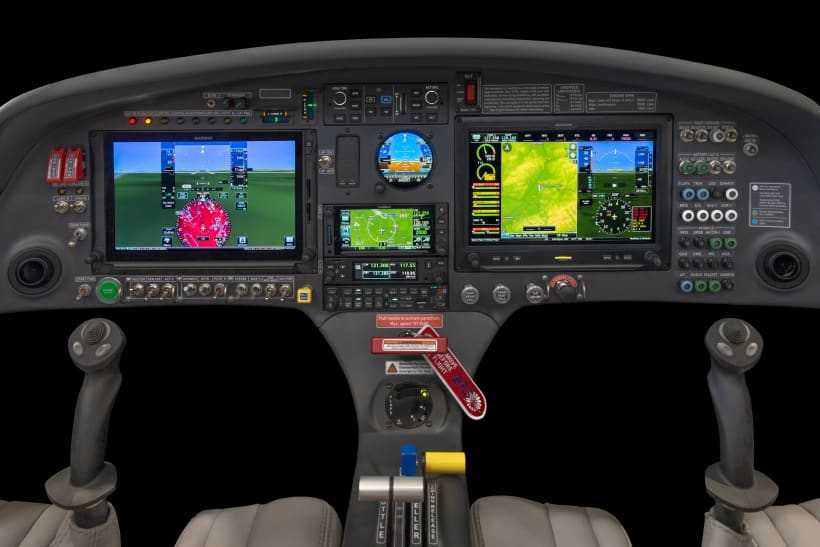
Dual glass cockpit (Garmin G3X Touch)

Optional

Two Garmin G3X Touch glass displays showing flight instruments, moving map and full engine monitoring. Touch control with physical knobs as backup, so the pilot is not fighting a touchscreen in turbulence.
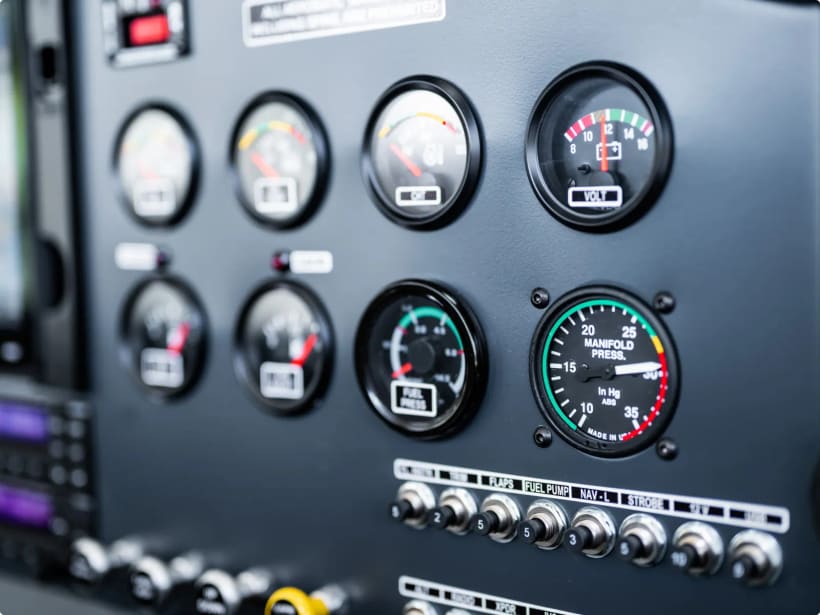
Cluster of round analog flight and engine gauges in a Bristell instrument panel.

Analog flight and engine instruments

Standard

Analog flight instruments (airspeed, altitude, vertical speed, compass) plus analog engine gauges, the standard panel on the UL/LSA base aircraft. A simple, familiar layout popular for ab-initio training and pilots who prefer a serviceable panel. Glass can replace or supplement it.

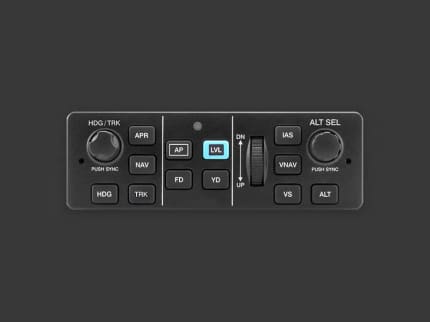
Garmin GMC 507

Autopilot with LEVEL button (Garmin GMC 507)

Optional

Garmin GMC 507 autopilot with a dedicated Blue LEVEL button that returns the aircraft to wings-level flight at a single push. It handles the routine legs to cut pilot workload, and the pilot stays in command for the parts that matter.

Powerplant
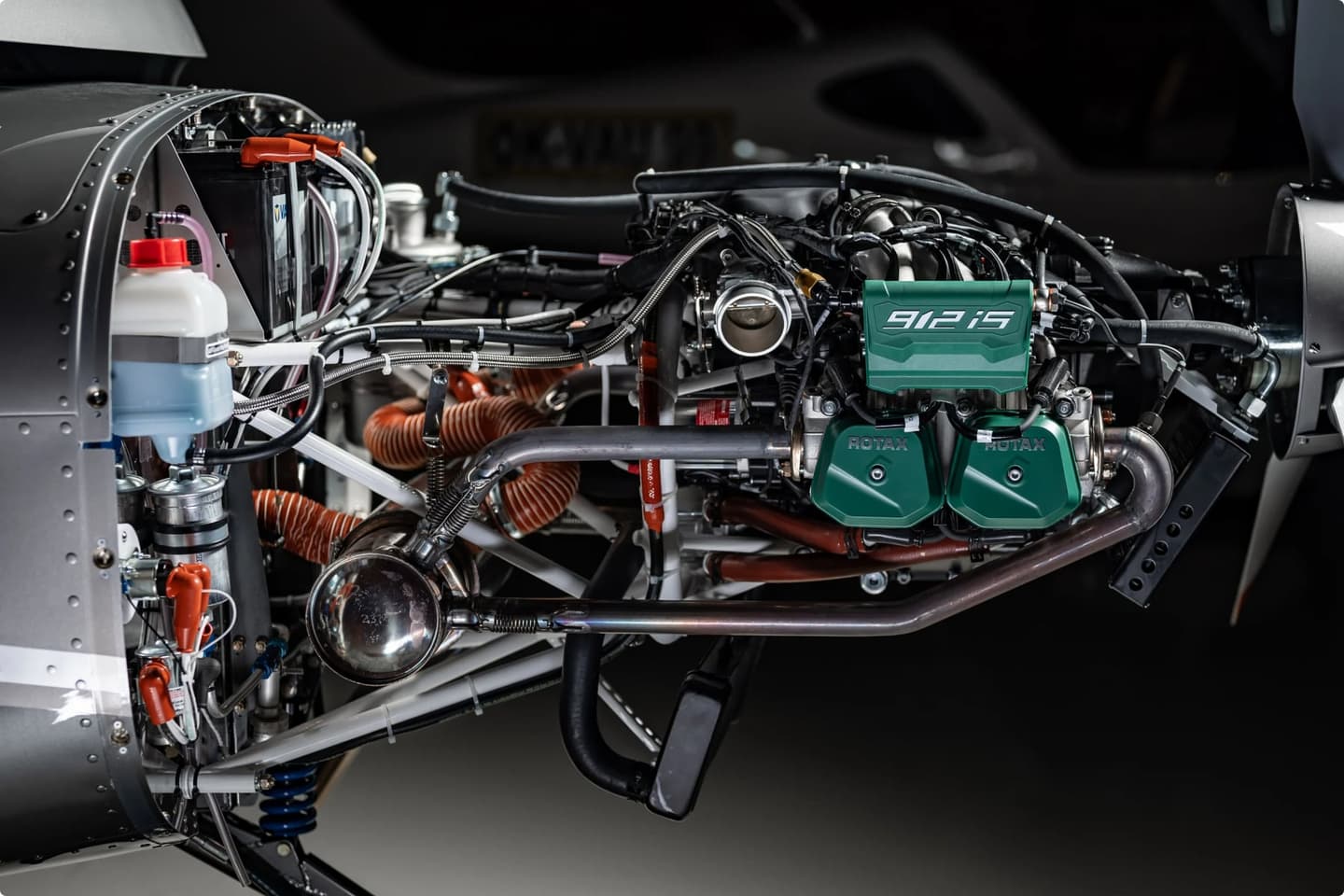
Rotax 912 iS Sport fuel-injected engine installed in a Bristell aircraft, close-up of the powerplant
Rotax

Rotax 912 iS Sport

Electronically fuel-injected Rotax 912 iS Sport with FADEC engine management and a 2,000-hour TBO. No carburettor icing, automatic mixture, easier starts and up to 30% lower fuel burn than carbureted engines.

Power
100 HP / 73.5 kW
Fuel
MOGAS / AVGAS
TBO
2,000 hours

Propeller of Your Choice

Configured to order · matched to the Rotax 912 iS Sport

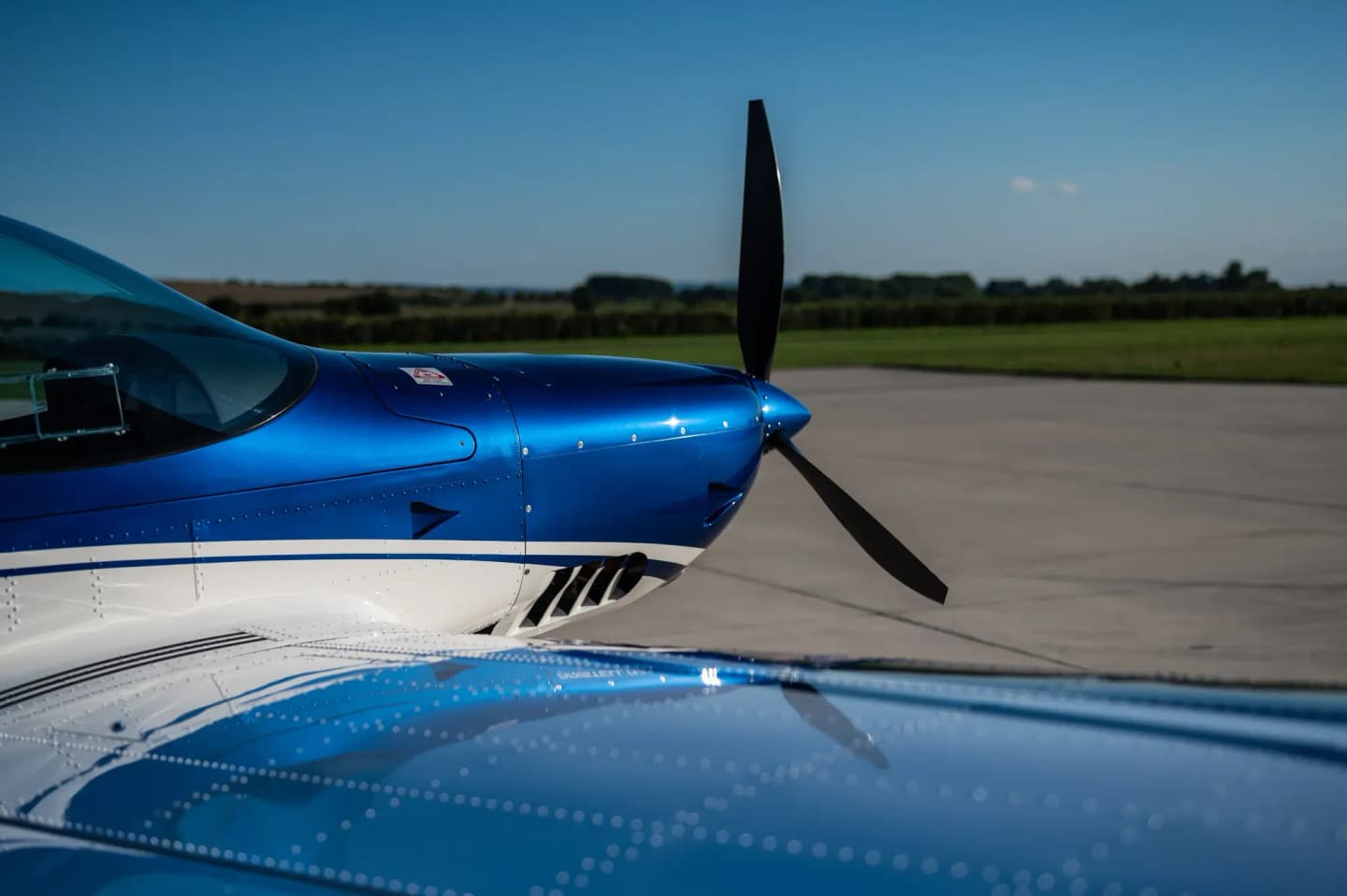
Choose between an economical fixed-pitch propeller and a constant-speed unit that holds its optimal blade angle across climb and cruise. Every Bristell is built to order, so the propeller is matched to your engine and mission.
Side view of the blue-and-white nose, spinner and black propeller of a Bristell aircraft parked on an airfield apron, with green fields behind.
Safety & Certification

Modern systems, proven airframe.

Benign handling on a proven all-metal airframe, with a BRS parachute and protection systems available to your spec.

Bristell B23 descending under the deployed BRS whole-aircraft parachute

BRS whole-aircraft parachute

Optional

Ballistic parachute that lowers the entire aircraft under a canopy in an emergency. Works within a defined minimum altitude and speed envelope.

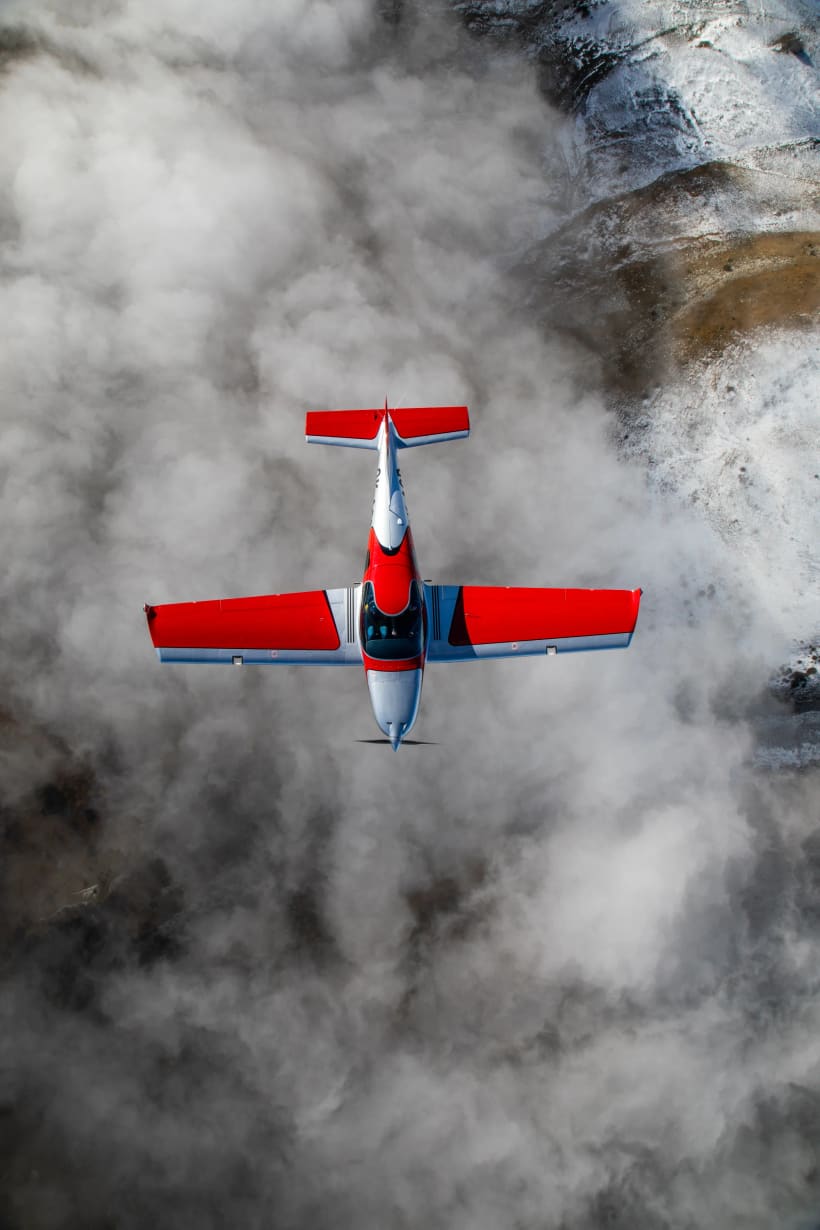
bristell aircraft top view

Predictable behavior

Standard

Benign, forgiving handling with gentle stall characteristics and no sudden wing drop, which gives the pilot time to react. Well suited to training and lower-time pilots.

4-point safety harness

4-point safety harness

Standard

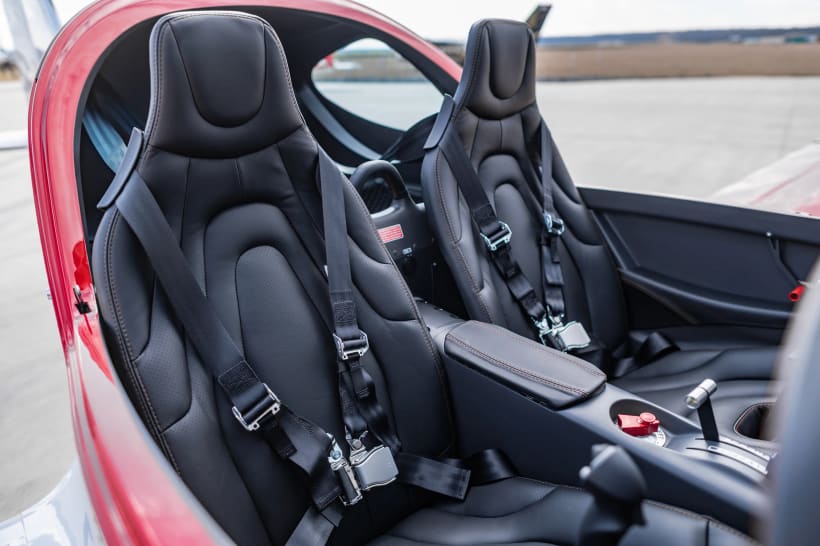
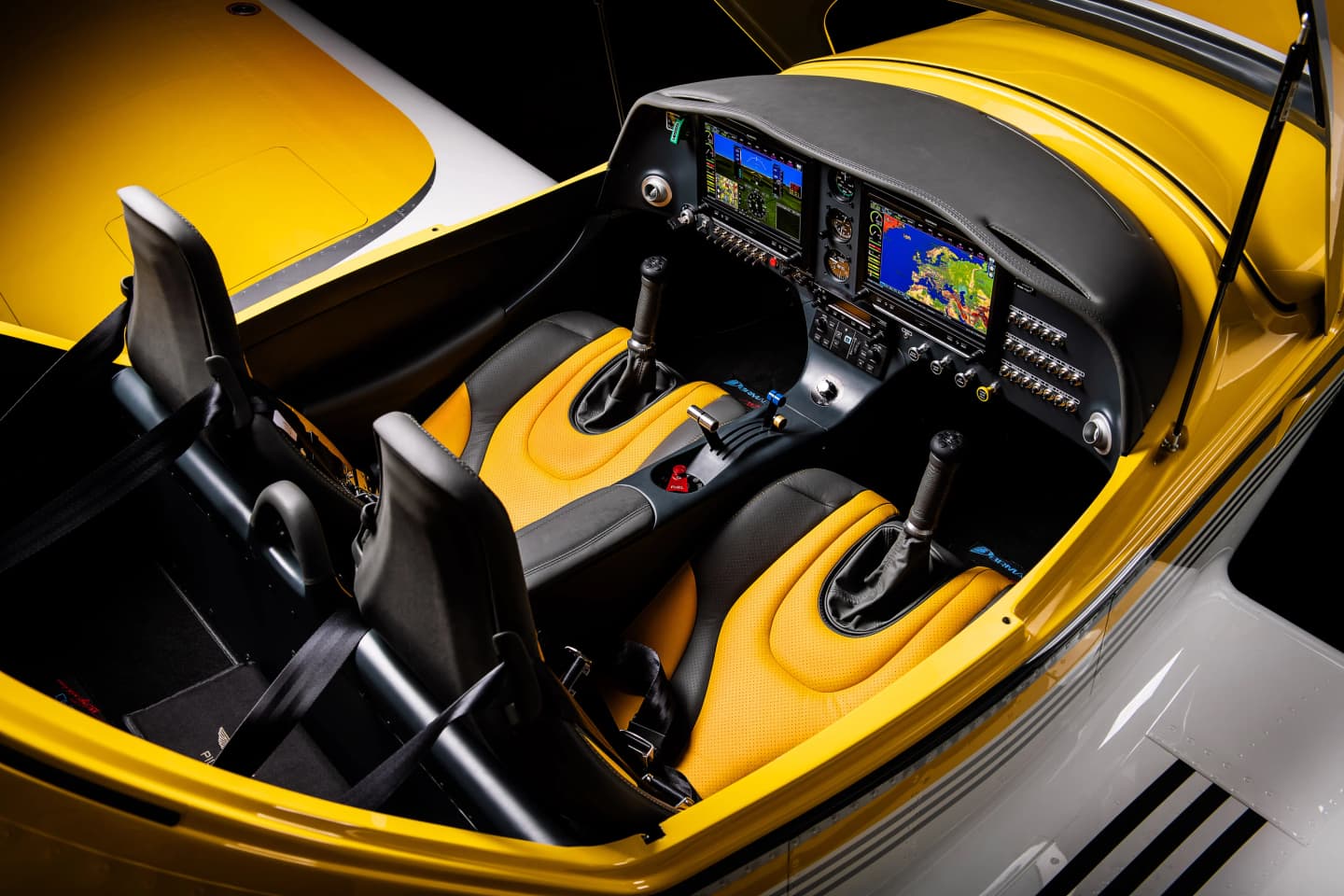
4-point AmSafe restraint system for both occupants on premium leather seats — better restraint and load distribution in a hard landing or impact.

Specifications

Technical data

Classic 912iS · UL / LSA · Rotax 912 iS Sport · 2,000 h TBO · MTOW 600 kg (1,323 lbs)

Specification Value
Max Power
73.6 kW
100 HP
Max Speed (VH)
237 km/h
128 KTAS
Rate of Climb
5.8 m/s
1,150 fpm

All specifications per applicable Type Certificate.

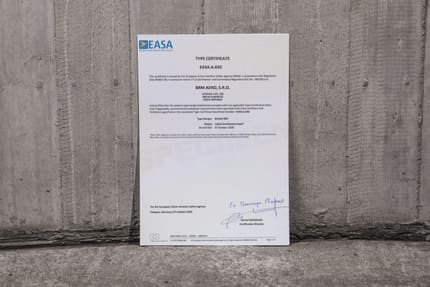
Certification

Where you can fly it

UL

Approved under national ultralight rules country by country — from Germany's DAEC, Europe's largest ultralight market, to Australia's RAAus.

Smart Details

Intelligent details throughout.

Standard essentials, with Single Lever Power Control (SLPC) available to pair with the fuel-injected engine. Build the cockpit to your spec.

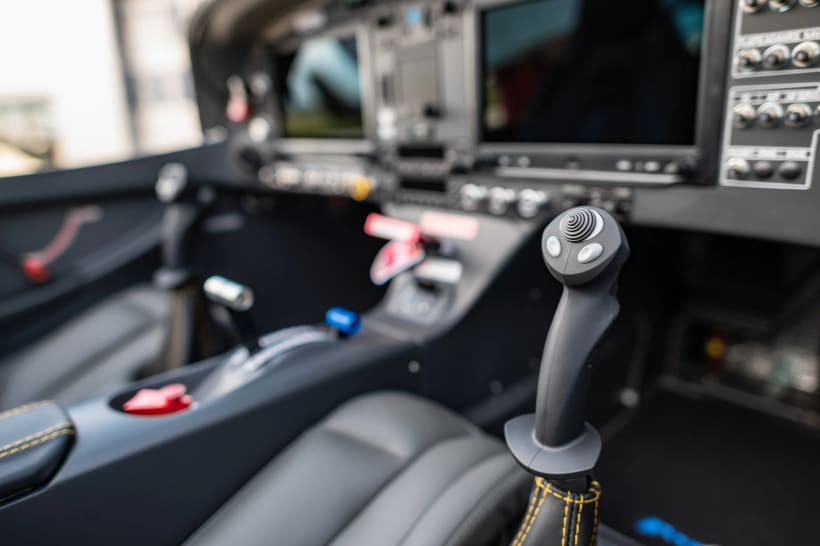
Bristell glass cockpit fitted with dual control sticks for both seats.

Dual control sticks

Standard

Centre-stick design with independent left and right sticks. No control yoke obstruction, for a direct and intuitive control feel.

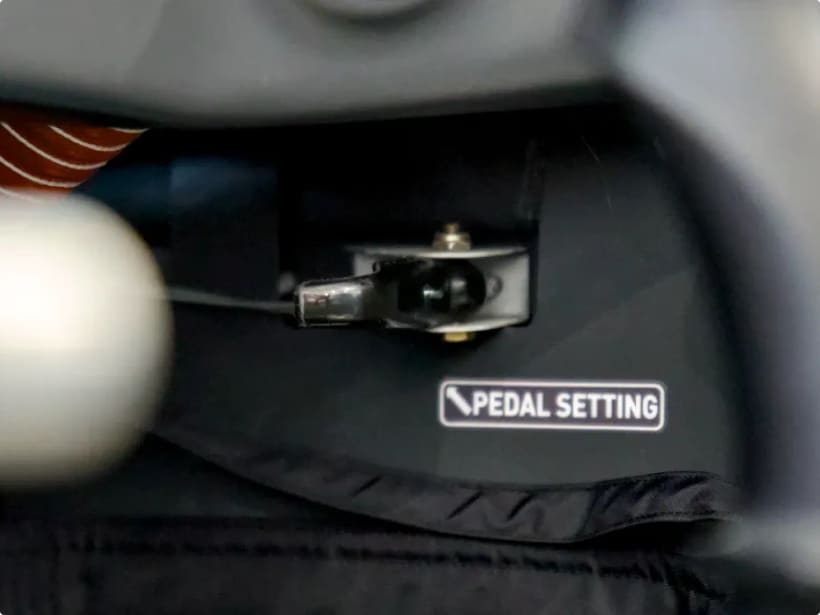
Adjustable rudder-pedal mechanism with its pedal-setting adjustment lever.

Adjustable rudder pedals

Optional

Rudder pedals adjustable through two or three positions to fit pilots of different heights.

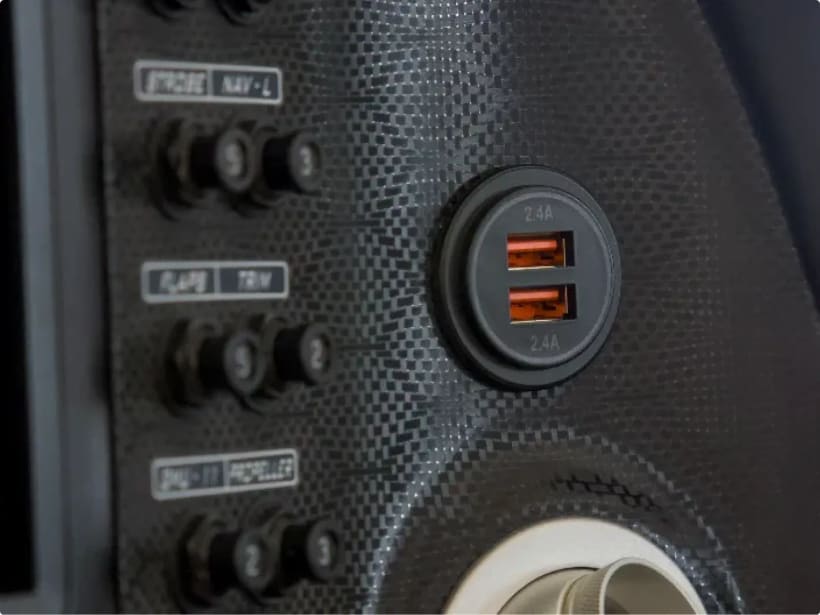
Dual USB charging ports built into a Bristell cockpit panel.

USB charging ports

Optional

USB-A and USB-C charging ports per seat. Power for tablets, ANR headsets and EFB devices on every flight.

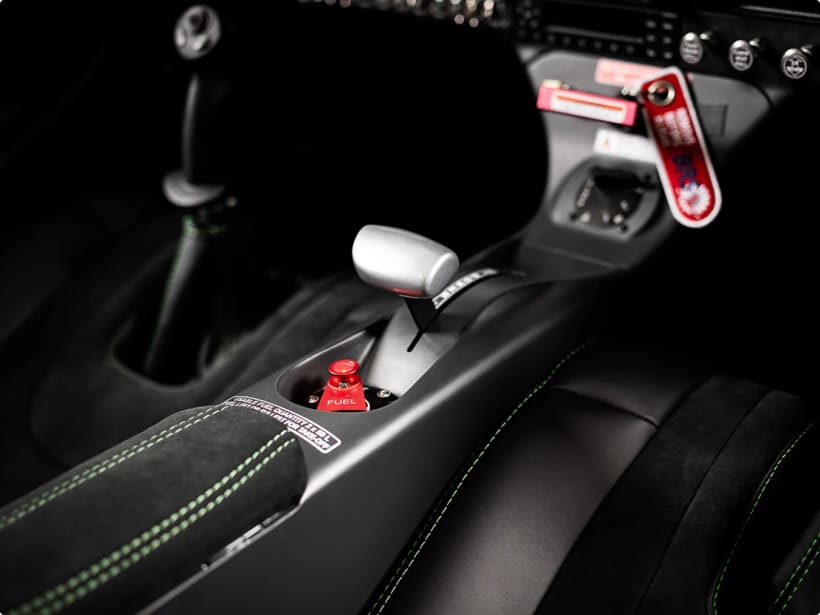
Single-lever power control throttle in a Bristell centre console.

Single Lever Power Control (SLPC)

Optional

Single Lever Power Control (SLPC) with FADEC on the Rotax 912 iS Sport. Throttle and propeller combine into one lever, so engine management stays simple and the propeller is always set right.

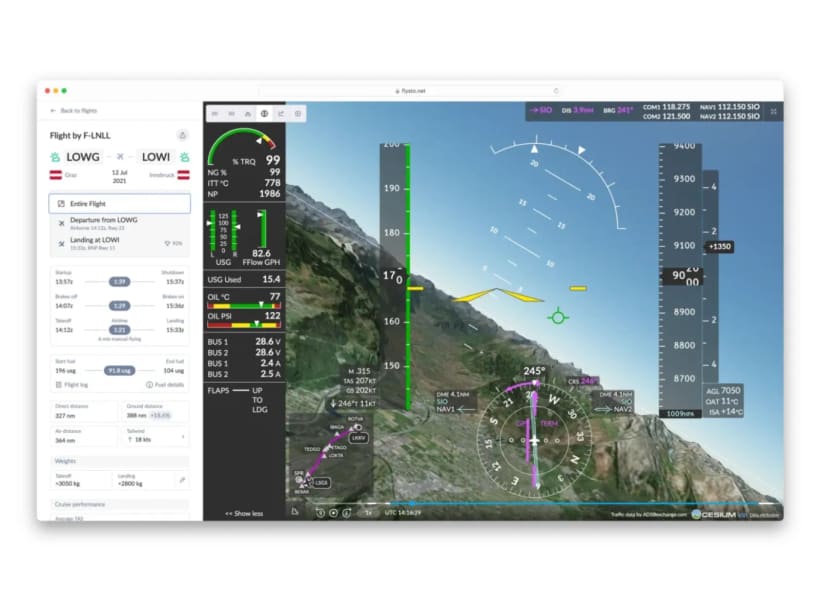
FlySto flight-analysis dashboard showing a three-dimensional flight track and performance data.

Flight analysis (FlySto)

Standard

Compatible with FlySto, an online platform that turns recorded G3X flight and engine data into a detailed debrief with track replay, approach scoring and performance against book figures. FlySto is a third-party service, free for individual use with paid plans for high-volume and fleet operations.

Bluetooth symbol denoting the cockpit's Bluetooth-enabled audio panel.

Bluetooth audio panel

Optional

Garmin GMA 345 audio panel with Bluetooth and 3D audio for clean radio management and traffic heard in spatial position.

Built to Order

No two leave the factory the same.

Every Bristell is built around its pilot. Tell us how you'll fly yours — and we'll build it.

Explore customisation options
Bristell built-to-order personalisation — every aircraft configured to its pilot
MISSION ADD-ONS

Propellers, towing winch, extended range, bush wheels.

CABIN ATMOSPHERE

Leather trim, alcantara accents, signature stitching.

COMFORT TOUCHES

Heating, panel lighting, USB, oxygen support.

EXTERIOR FINISH

One colour, two colour or three colour schemes, Italian design, Bristell Signature.

FAQ

Frequently asked questions

How fast is the Bristell Classic 912iS?

Maximum speed is 128 KTAS (237 km/h), with a rate of climb of 1,150 fpm.

What engine powers the Classic 912iS and what is its TBO?

The electronically fuel-injected Rotax 912 iS Sport with FADEC — 100 HP (73.5 kW) with a 2,000-hour TBO, running on MOGAS or AVGAS.

Is the Bristell Classic 912iS an ultralight or a Light Sport Aircraft?

Both, depending on region — it flies in the Ultralight (UL) category in Europe and as a Light Sport Aircraft (LSA) in the US, at 600 kg (1,323 lbs) MTOW. It is not a type-certified aircraft. In Germany it is DAEC certified (02/2021).

Is a BRS parachute available on the Classic 912iS?

Yes — a BRS whole-aircraft parachute is available as an option on the Classic.

Can the Classic 912iS tow gliders?

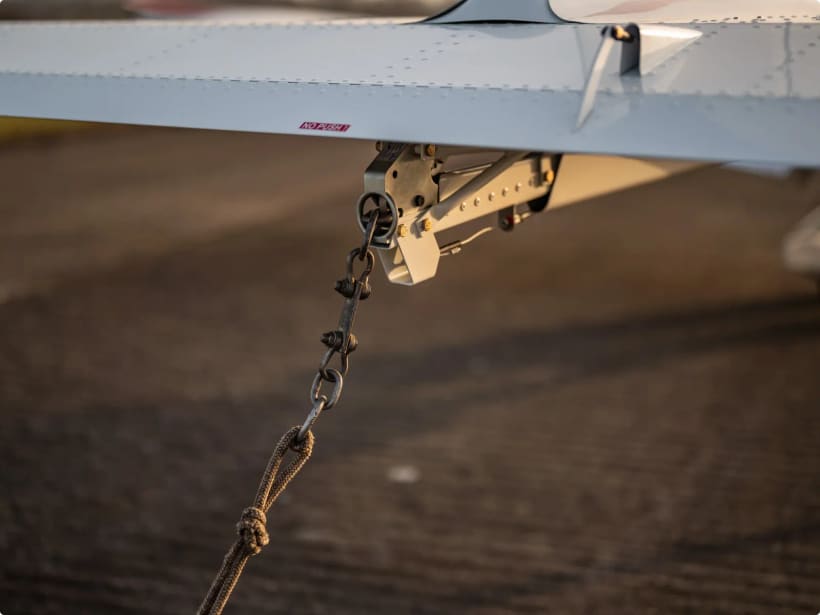
Yes — an optional glider-towing hook is available as a factory option, for gliders up to 700 kg (1,543 lbs) MTOW.

Bristell UL/LSA Classic 912iS