
A first for the Norwegian register
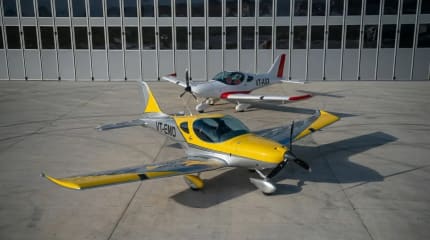
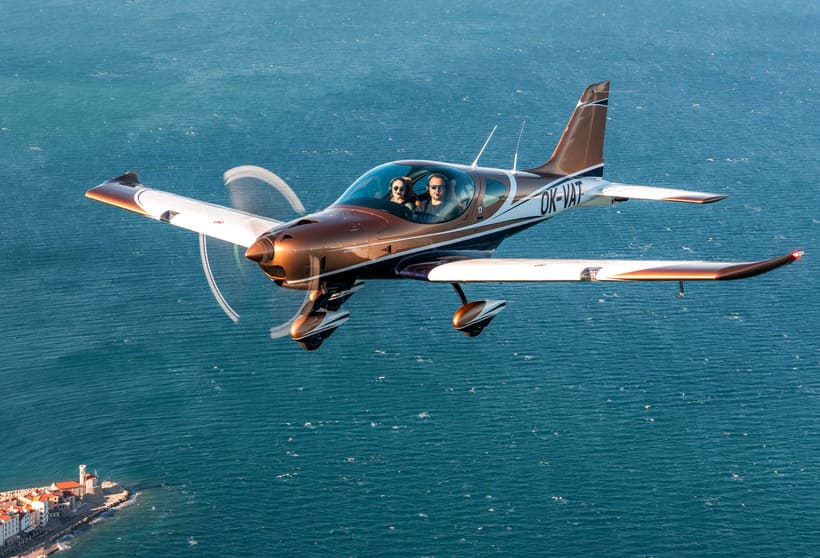
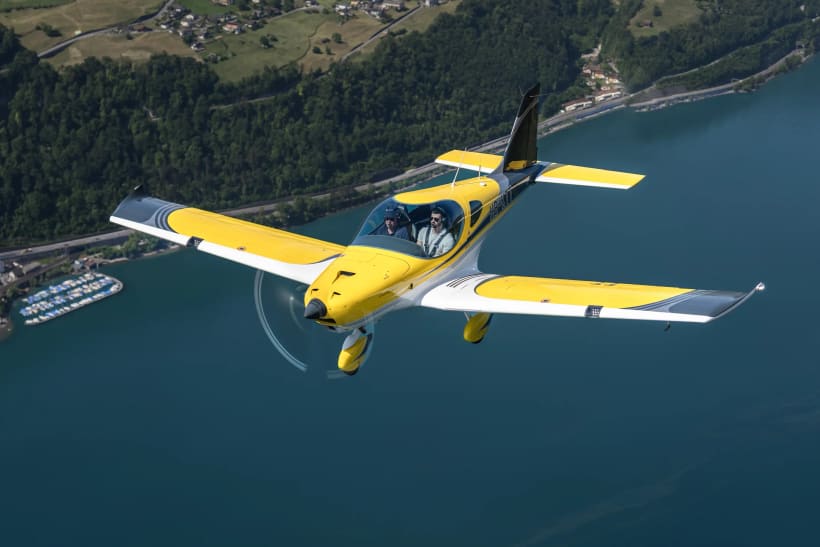
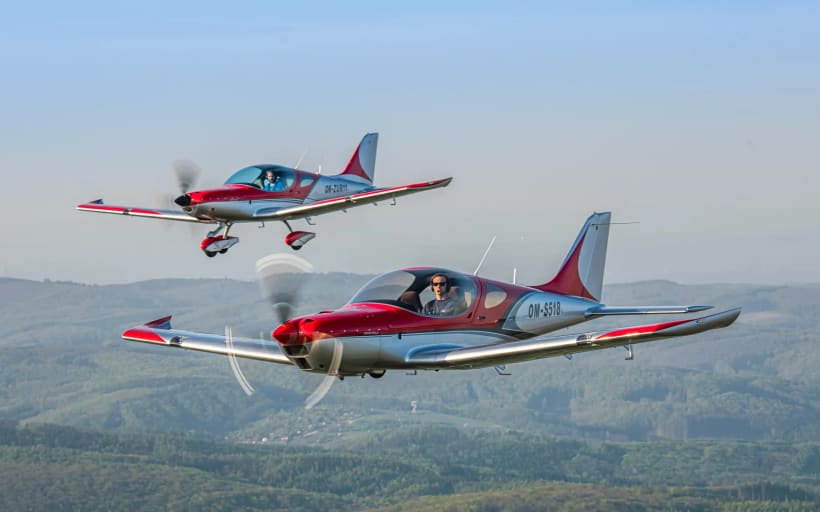
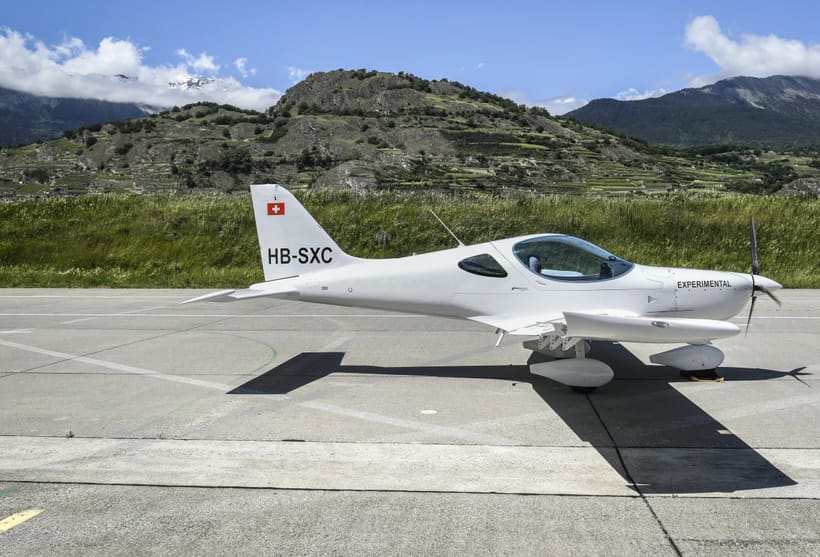
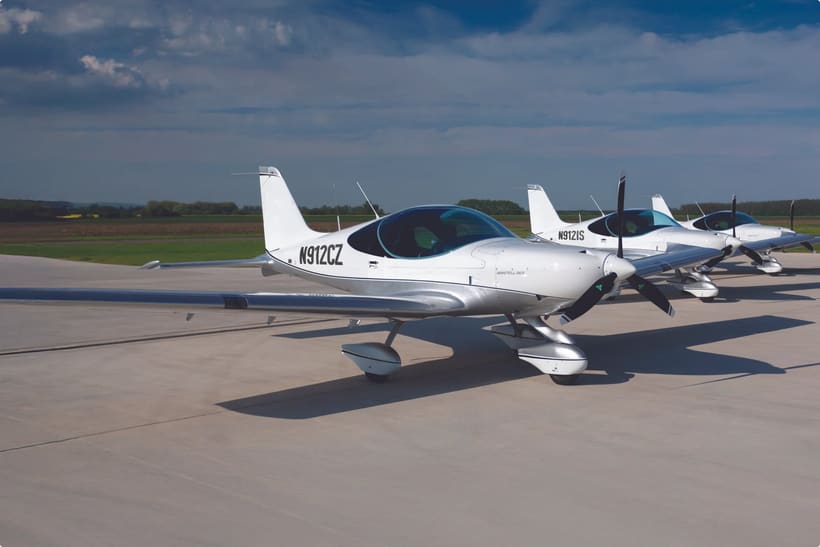
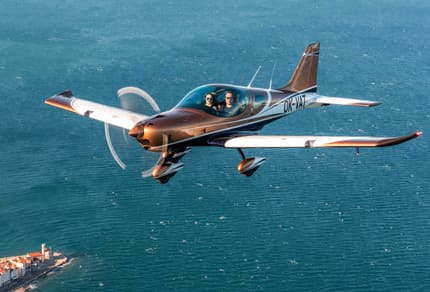
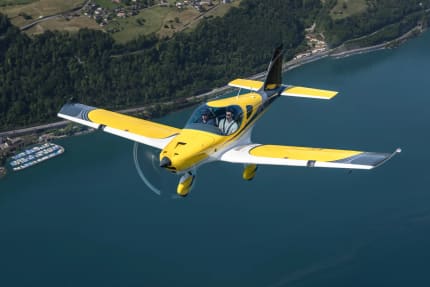
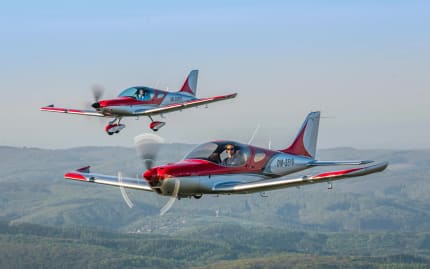
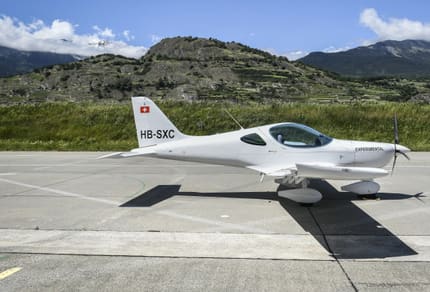
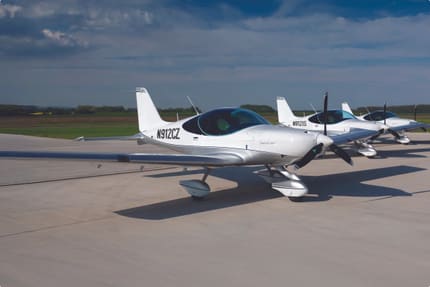
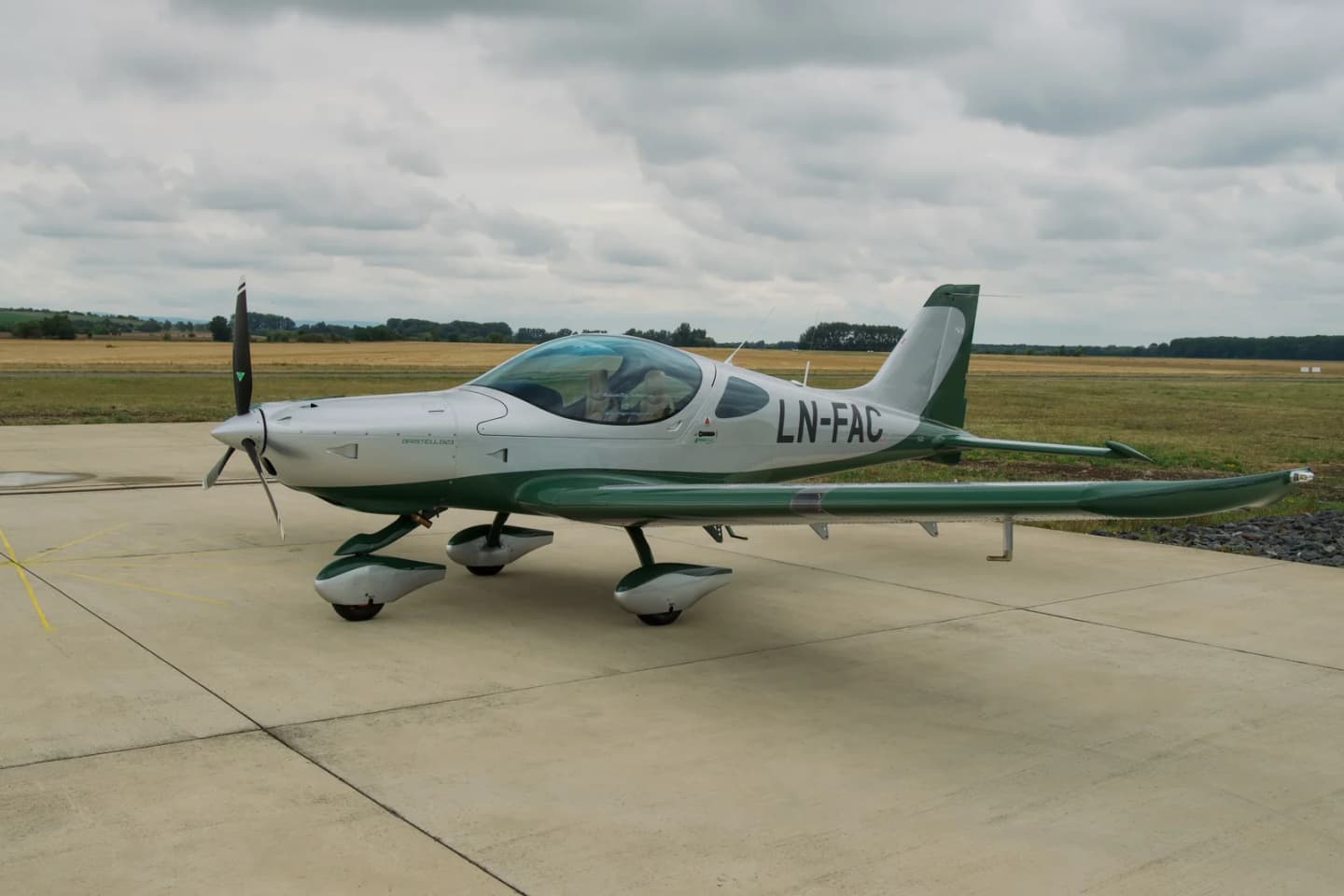
KUNOVICE, Czech Republic, 27 August 2026. The first aircraft was flown straight from Kunovice to Kjeller, where it joins the training fleet of Oslo Flight Academy. It is the first Bristell B23 on the Norwegian aircraft register.

Oslo Flight Academy is headquartered in Stabekk, with its main flight training base at Kjeller Airport and a second base at Rakkestad. The school takes students from their first licence, the Private Pilot Licence, all the way to commercial flying, and it is growing. Demand for pilot training in Norway keeps rising, and the size of the training fleet is one of the limits on how many students a school can take.
We are very proud to introduce Norway's first Bristell B23 onto the Norwegian aircraft register. For us, this is first and foremost about the quality of our training. Our students should have the opportunity to train in modern aircraft with modern systems from the very beginning, while at the same time we are building the capacity needed to meet the growing demand for pilot training.
Ole Martin Walberg, CEO and Accountable Manager, Oslo Flight Academy
Three aircraft, not one
The first aircraft is only the first step. Two more factory-new B23 aircraft are expected in 2027. The investment therefore covers three aircraft and a broader renewal of the academy's training fleet.
With three factory-new Bristell B23 aircraft, we are taking a significant step in the development of the academy. Our ambition is to build one of the most modern training fleets in the Nordic region while providing our students with a training environment that prepares them as well as possible for the next stages of their aviation careers.
Ole Martin Walberg, CEO and Accountable Manager, Oslo Flight Academy
Why the B23 works in a school
A training aircraft is judged on two things: what it teaches and what it costs per hour. The B23-912iS cruises at 106 KTAS (196 km/h), that is 106 knots of true airspeed, and burns 16.3 L/h (4.3 US gal/h) at 75% power, FL100. That gives a range of 1,445 km (780 NM) and 7.2 hours in the air. For a school it means long navigation flights and the flying hours students have to build up, without a fuel bill that starts to decide what the training programme can contain.
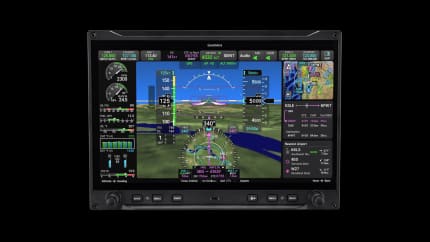
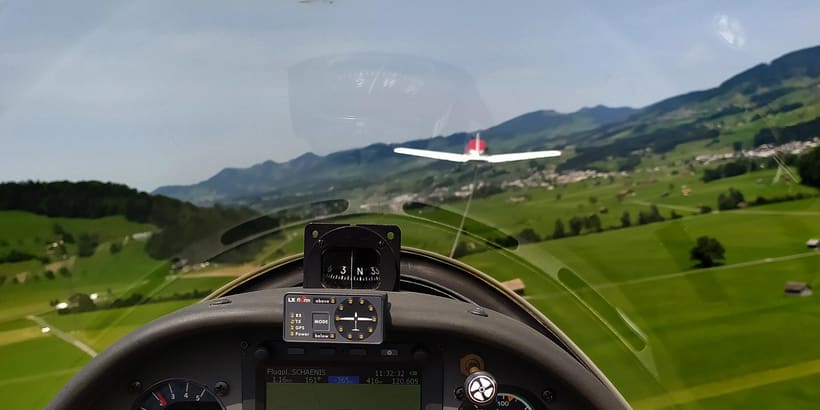
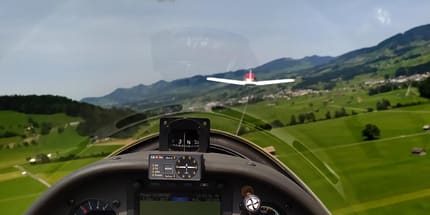
The cockpit is 130 cm (51 in) wide, so an instructor and a student sit side by side without competing for space through a long lesson. Engine power and propeller are set with one lever instead of two, which removes a whole class of student mistakes early on. The instruments are on screens from the first flight, not as a later upgrade, so students meet modern avionics at the point where habits are formed.
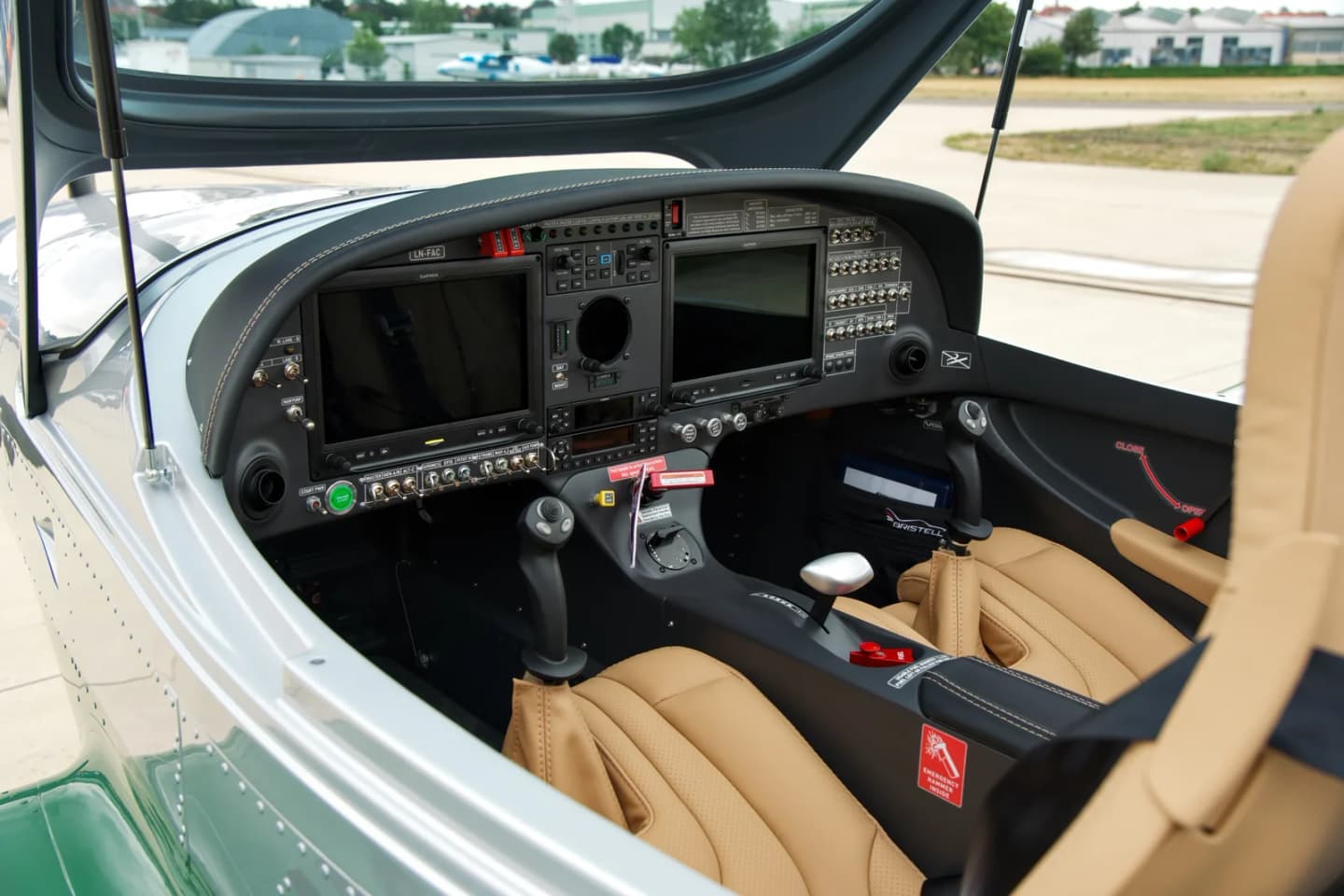
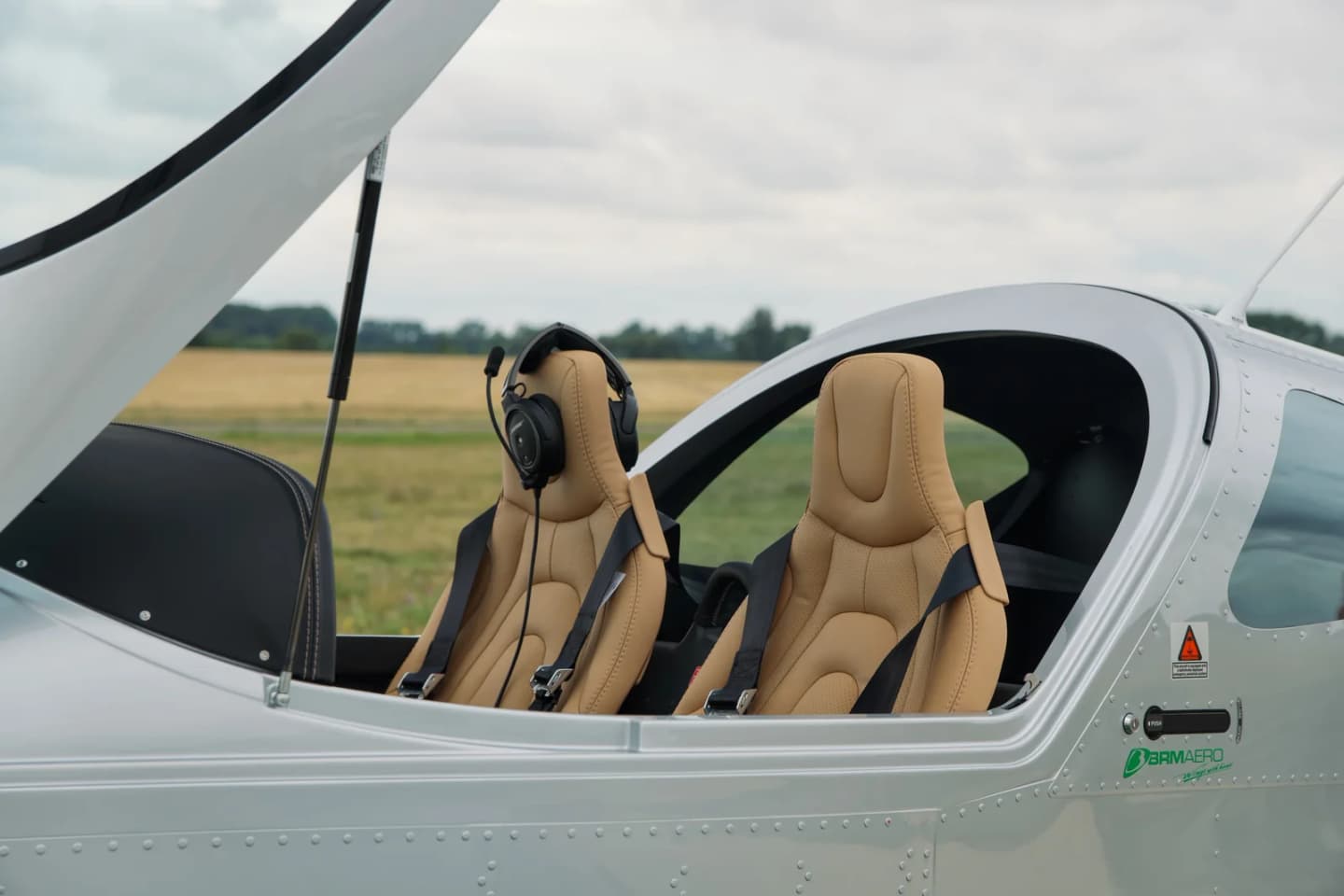
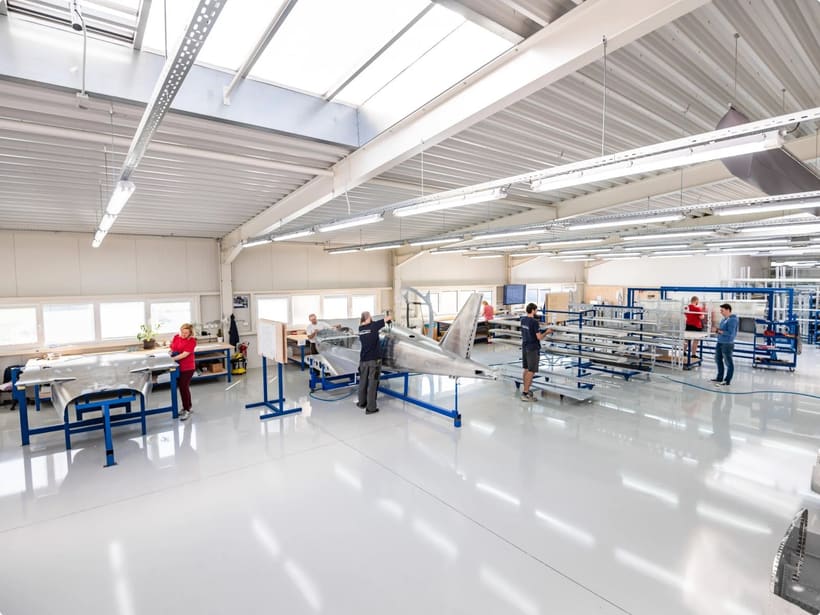
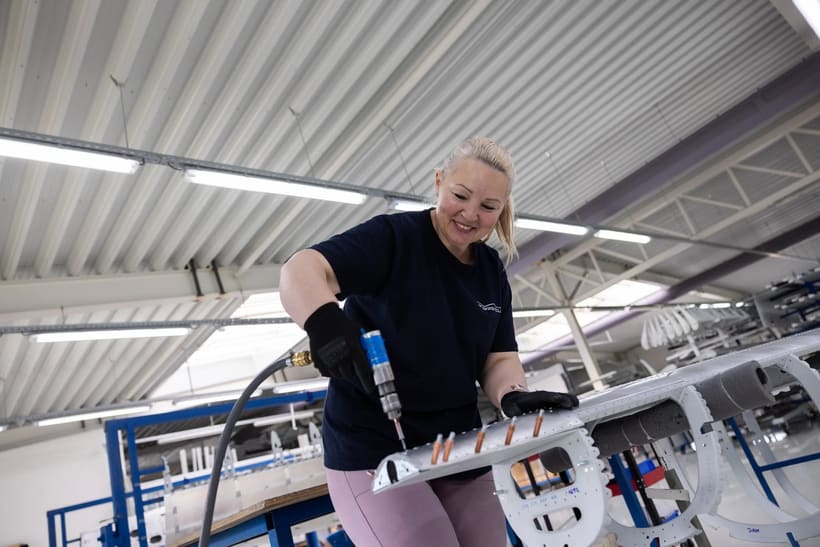
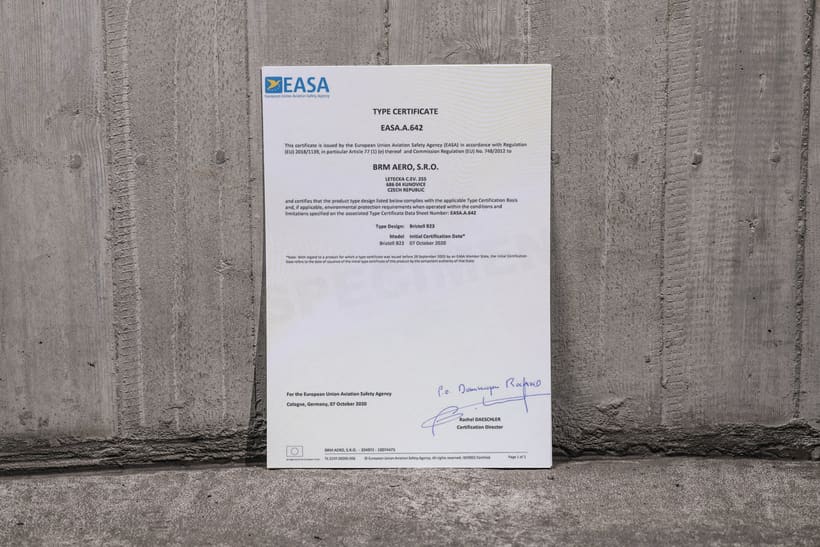
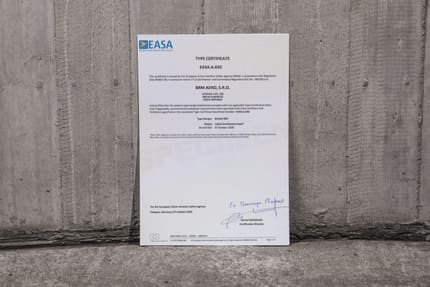
The B23-912iS is certified to EASA CS-23 and the airframe is all-metal. In a school, where an aircraft flies far more hours per year than in private ownership, that construction is what keeps the fleet on the line: hard landings and high cycle counts are part of training, and metal structure is inspectable, repairable and predictable over a long service life.
Schools planning a fleet renewal can set their own annual hours, fuel price and labour rate in the operating cost calculator on the B23 page. What the aircraft offers a training organisation is set out on our page for flight schools, and the factory can be reached directly.